Subalpine Fir
Abies lasiocarpa
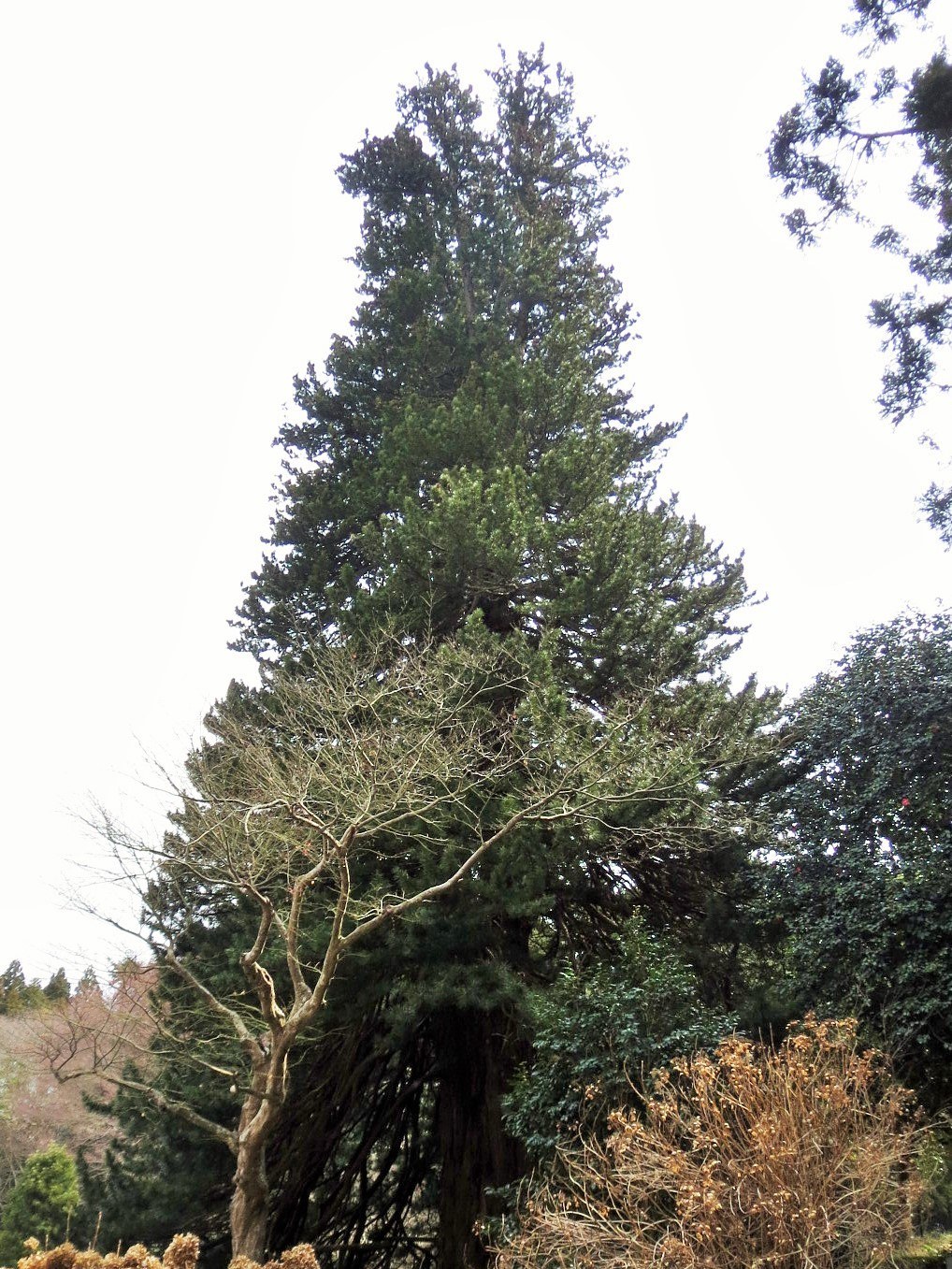
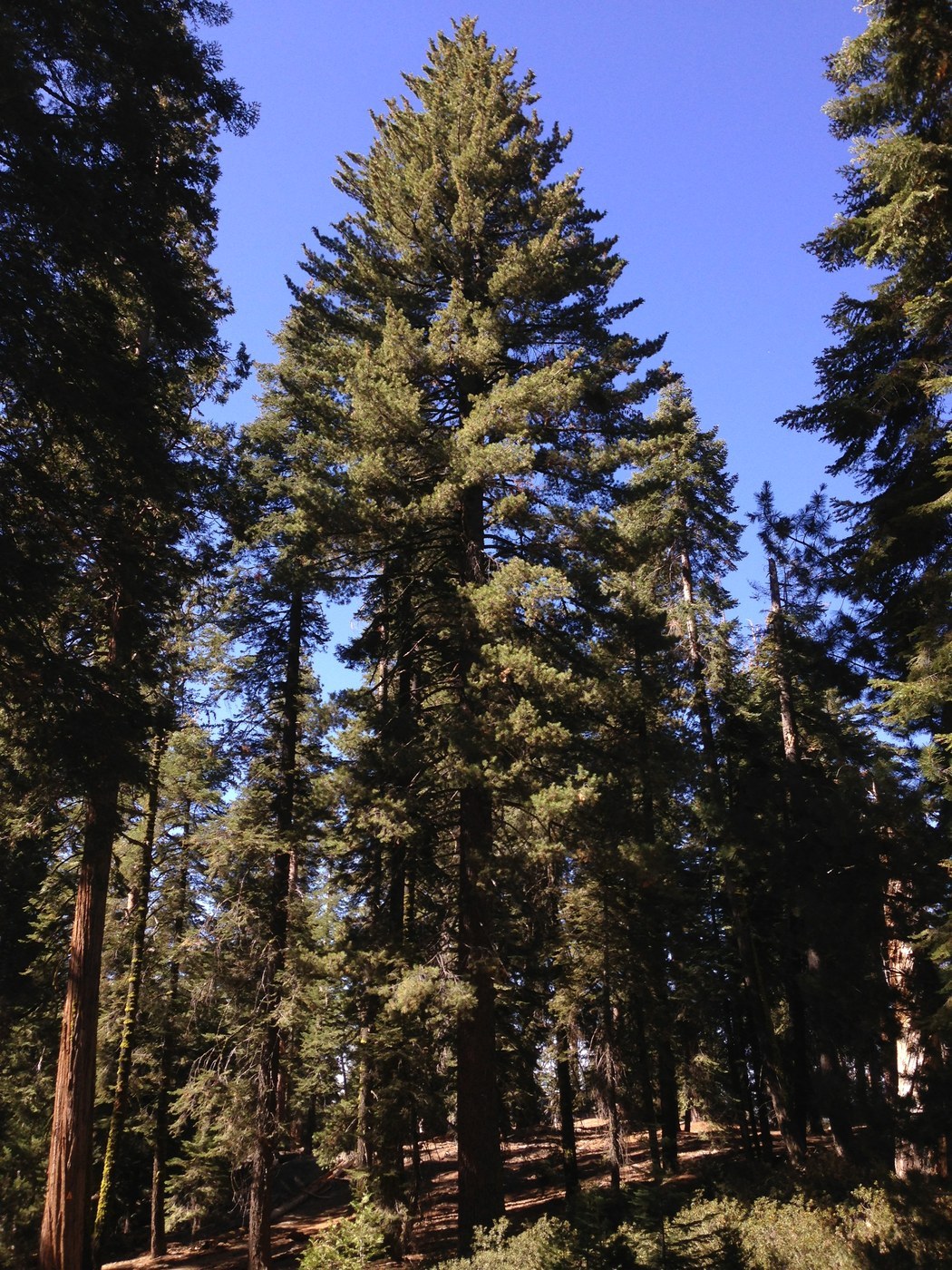
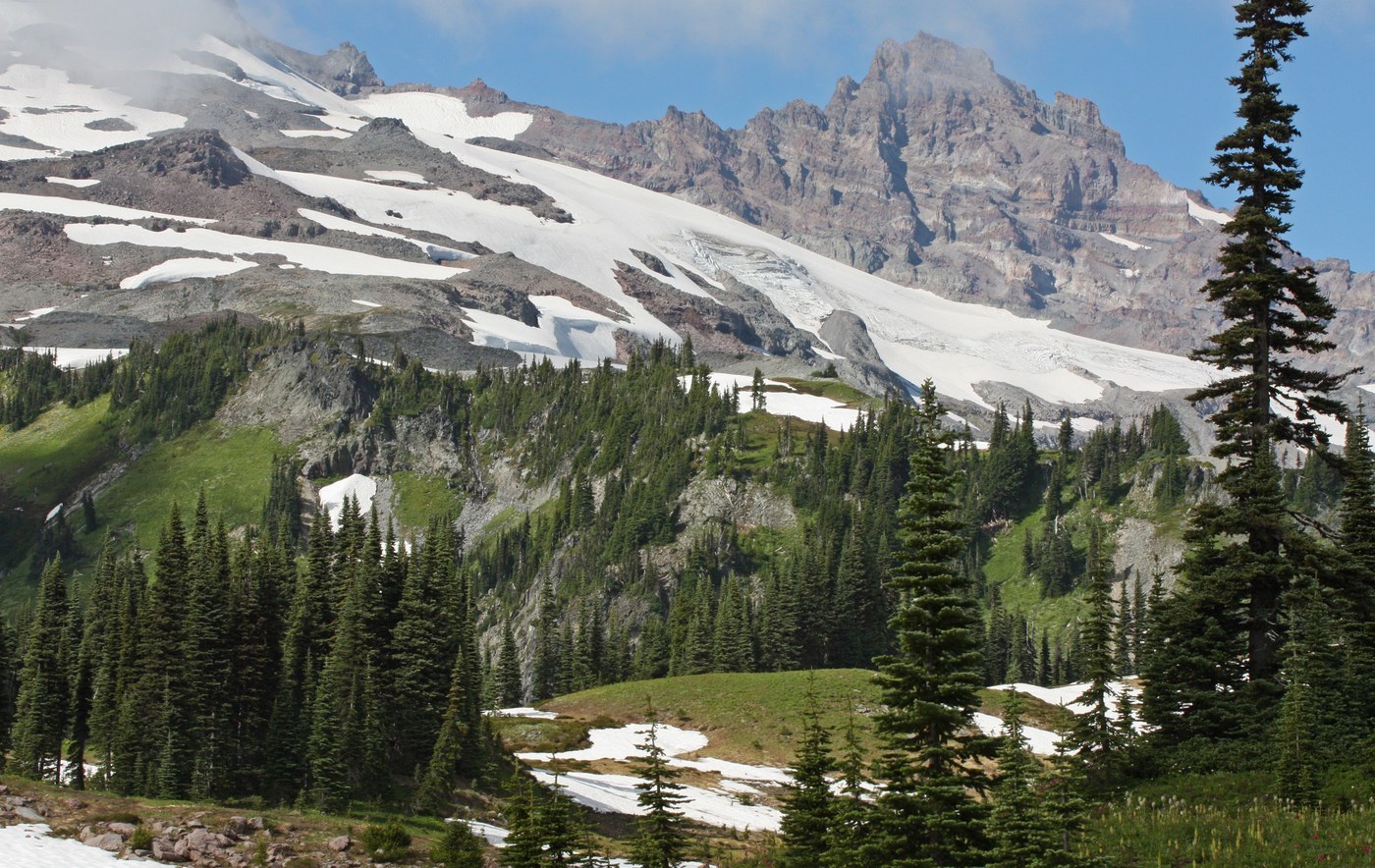
Subalpine Fir is a narrow, spire-shaped western fir of high mountains, instantly recognizable by its slender steeple crown adapted to shed heavy snow.
- Light
- Full sun to part shade
- Water
- Moderate; cool, moist soil
- Difficulty
- Moderate
Got a plant like this?
Identify any plant from a photo, free.
Overview
Subalpine Fir (Abies lasiocarpa) is a high-elevation conifer of western North America, named for its home near and at the alpine treeline. Its strikingly narrow, spire-like crown is an adaptation to shedding heavy mountain snow.
It is one of the most cold-hardy firs, forming krummholz mats at the highest, windswept elevations and tall, slender trees lower down.
How to identify it
- Crown: Very narrow, conical, spire-like — the classic field mark.
- Needles: Flat, bluish-green, about 1–1.75 in, crowded and often curving upward on the twig.
- Cones: Upright, dark purple, cylindrical, disintegrating on the tree.
- Bark: Smooth gray with resin blisters when young.
- Size: Typically 50–100 ft; stunted and shrubby at treeline.
Care & growing
Subalpine Fir wants cool conditions, full sun to part shade, and consistently moist, well-drained soil; it struggles in hot, dry lowlands.
- Water: Keep evenly moist; it favors cool, humid mountain climates.
- Soil: Moist, acidic, well-drained.
- Temperature: Extremely cold hardy (USDA zones 3–5); intolerant of heat.
- Feeding: Minimal in suitable climates.
- Propagation: From seed with cold stratification.
Habitat & origin
Native to the mountains of western North America, from Alaska and the Yukon south through the Rockies, Cascades, and into Arizona and New Mexico.
It grows at high elevations near treeline, forming subalpine forests and, at the very top, low krummholz shrubs sculpted by wind.
Frequently asked questions
What makes Subalpine Fir easy to spot?
Its very narrow, steeple-shaped crown stands out, an adaptation to shed heavy snow.
Where does it grow?
At high elevations near treeline throughout western North American mountain ranges.
Can I grow it in a warm climate?
No, it needs cool conditions and does poorly in hot, dry lowland settings.
Is it the same as alpine fir?
Yes, "alpine fir" is a common alternate name for the same species.
Subalpine Fir guides
In-depth guides for identifying, growing, and caring for Subalpine Fir.
How to Care for Subalpine Fir
Grow Subalpine Fir (Abies lasiocarpa) for a narrow, spire-like evergreen. A cool-climate conifer that wants moist soil and dislikes summer heat.
Subalpine Fir Identification Guide
How to identify Subalpine Fir (Abies lasiocarpa) by its narrow spire-like crown, upswept silvery needles, and purple upright cones. Covers high-elevation habitat and look-alike firs.