How to Care for Sugar Maple
Sugar Maple (Acer saccharum): a majestic shade tree famed for blazing fall color, needing full sun to part shade and rich, well-drained soil.
Read the full Sugar Maple encyclopedia entry →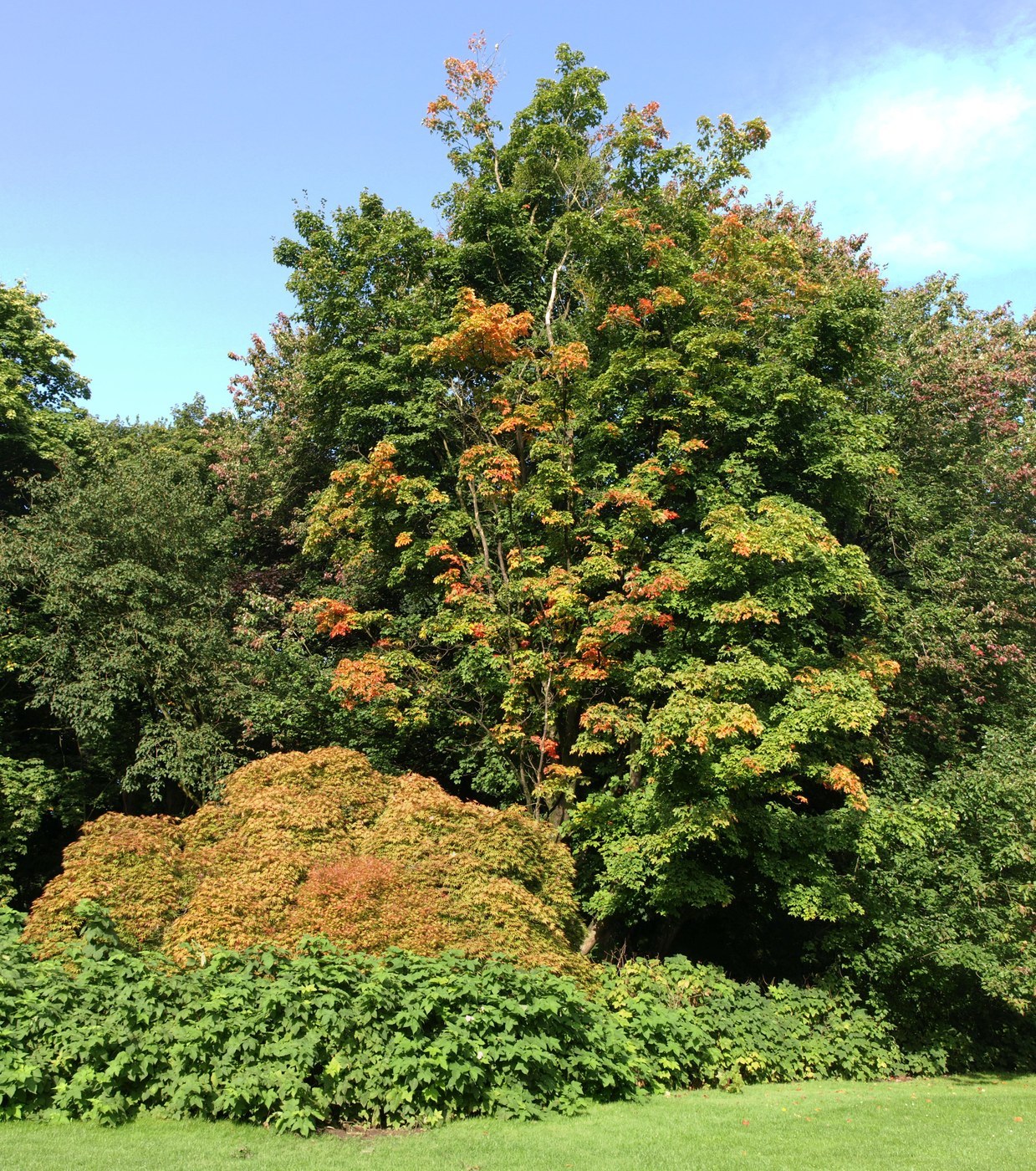
Sugar Maple (Acer saccharum) is one of North America's most beloved shade trees, celebrated for its dense oval canopy and spectacular fall display of gold, orange, and fiery red. It is a long-lived, stately tree that rewards a patient grower with generations of beauty when given the cool, rich conditions it prefers.
Light
Grow in full sun to part shade. Young Sugar Maples are quite shade-tolerant and often establish in the understory, but mature trees develop the fullest crown and most brilliant autumn color in full sun. In hot climates, some afternoon shade reduces stress.
Water
Provide moderate, even moisture in well-drained soil. Sugar Maple prefers consistent moisture and is not tolerant of prolonged drought, which causes leaf scorch and marginal browning. Water young trees deeply and regularly; mulch to keep roots cool and conserve moisture. It also dislikes waterlogged soil, so drainage matters.
Soil & Potting
Sugar Maple thrives in deep, fertile, moist but well-drained loams with a slightly acidic to neutral pH. It resents compacted, shallow, or excessively alkaline soils and does not tolerate salt or heavily paved, restricted-root urban sites well. Enrich planting soil with organic matter and mulch generously, keeping mulch off the trunk.
Humidity & Temperature
This is a tree of cool, temperate climates (roughly USDA zones 3 to 8) and it needs cool nights and a real winter to thrive and to color well in fall. It struggles in hot, humid southern regions and in reflected urban heat. Cold hardiness is excellent.
Feeding
Feed lightly if at all. On good soil, an annual layer of decomposing organic mulch supplies ample nutrients. On poorer ground, a balanced slow-release fertilizer in early spring supports young trees. Avoid heavy nitrogen, which can force weak growth and reduce fall color intensity.
Propagation
Propagate from seed, which requires a lengthy period of cold, moist stratification to break dormancy before sowing. Sugar Maple seed is best sown in fall or stratified over winter for spring sowing. Named cultivars with superior form or color are propagated by grafting or budding, since they do not come true from seed.
Repotting / Pruning
Sugar Maple needs minimal pruning; its natural form is a strong asset. Prune only in summer or late fall to remove dead, damaged, or crossing branches, avoiding late-winter and early-spring cuts when the sap runs heavily and the tree bleeds. Establish good branch structure while young. If grown in a container, pot up before roots circle and plant out while young.
Common Problems & Pests
Leaf scorch from drought, heat, or salt is the most common issue, showing as browned leaf margins. Verticillium wilt, tar spot, anthracnose, and various leaf spots can occur but are rarely serious. Aphids, scale, and cottony maple scale sometimes appear. Sensitivity to road salt, soil compaction, and reflected heat makes it a poor choice for tight street-side plantings.
Seasonal Care Tips
Plant in spring or fall. Mulch and water through the first several summers to prevent scorch. Prune in summer or late fall, not spring, to avoid bleeding. Expect the signature blaze of fall color where nights turn cool. Protect young bark from sunscald and mechanical damage in winter.
Frequently asked questions
Why are my Sugar Maple's leaves browning at the edges?
That is leaf scorch, usually caused by drought, intense heat, or exposure to road salt. Water deeply during dry spells, mulch to keep roots cool, and avoid planting near salted pavement.
When should I prune a Sugar Maple?
Prune in summer or late fall. Avoid late winter and early spring when the sap is running strongly, because the tree will bleed heavily from fresh cuts.
Can Sugar Maple grow in a hot southern climate?
It prefers cool, temperate conditions (roughly zones 3 to 8) and struggles in hot, humid regions and reflected urban heat. It needs cool fall nights for its best color.
How do I get the best fall color?
Grow it in full sun in fertile, well-drained soil where autumn nights turn cool, and avoid heavy nitrogen feeding, which can dull the display.
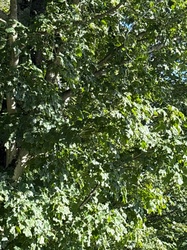
Sugar Maple identified by the community
Recent Sugar Maple specimens identified with Plant Identifier.