Sugar Maple
Acer saccharum
Sugar maple is a hallmark of North America's blazing autumn forests and the maple traditionally tapped for its sap. It is a large, long-lived shade tree with dense, hard wood prized for furniture and flooring.
- Light
- Full sun to part shade
- Water
- Moderate; prefers well-drained soil
- Difficulty
- Moderate
Got a plant like this?
Identify any plant from a photo, free.
Overview
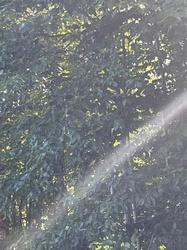
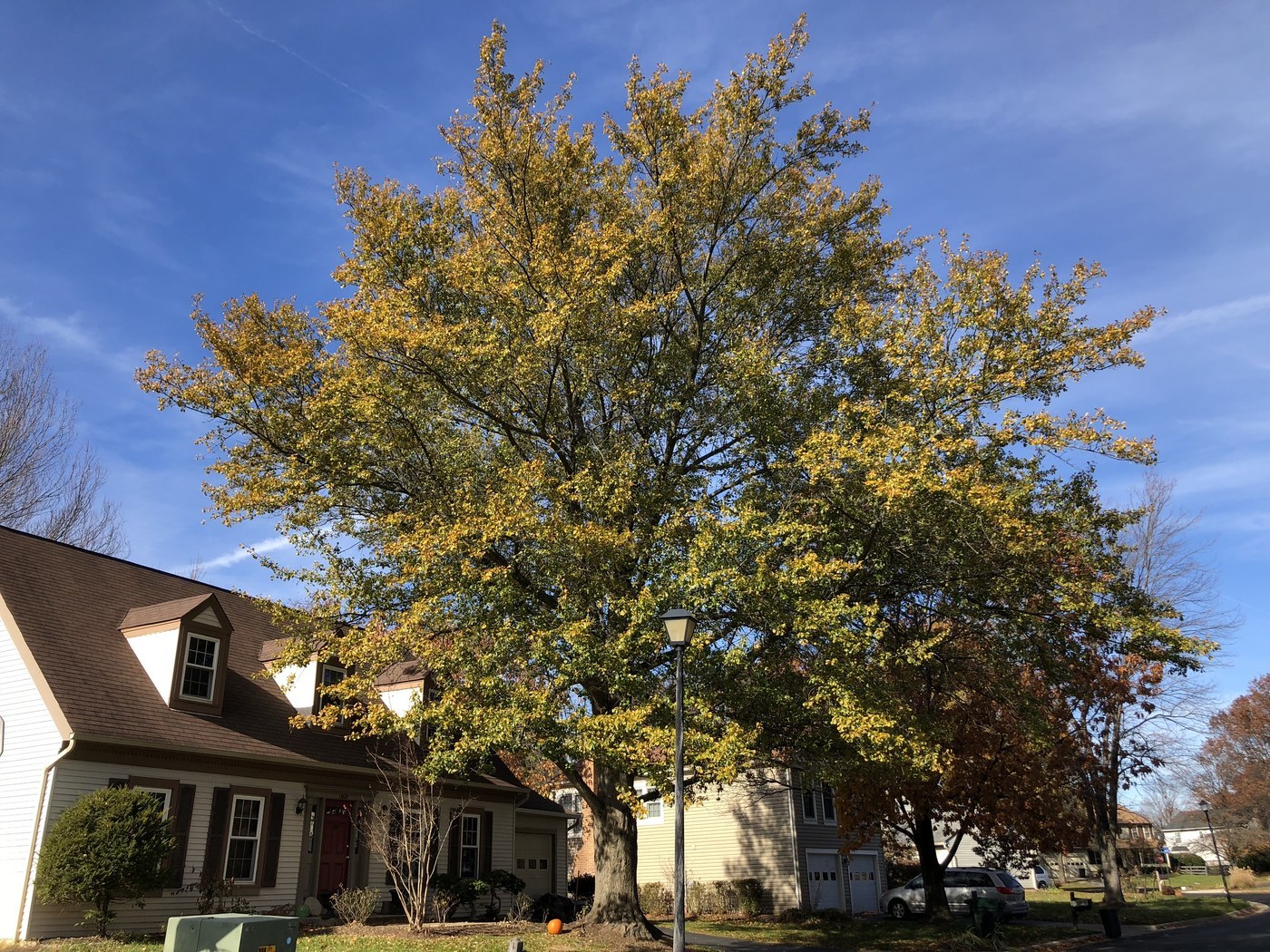
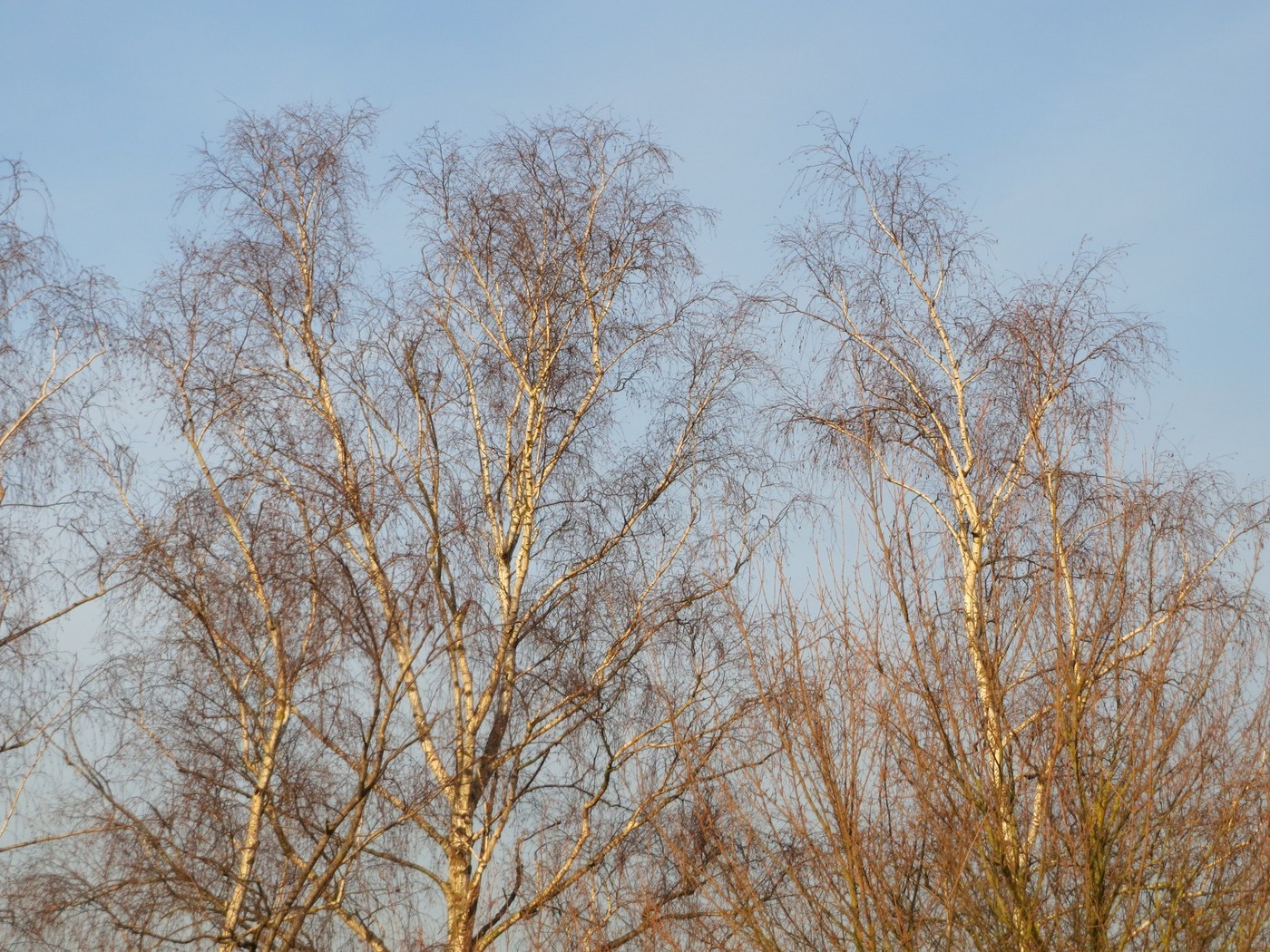
Sugar maple (Acer saccharum) is a stately deciduous tree native to northeastern North America, celebrated for its spectacular fall color in shades of yellow, orange, and red.
It is the maple traditionally tapped for its sap, and its dense, strong wood ('hard maple') is among the most valued domestic hardwoods. The leaf is the emblem on the Canadian flag. It is sensitive to road salt, compaction, and pollution, so it prefers undisturbed sites.
How to identify it
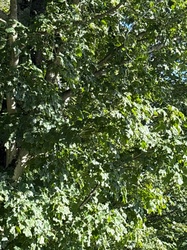
- Leaves: Opposite, 5-lobed leaves with smooth-edged (not toothed) lobes and rounded notches between them
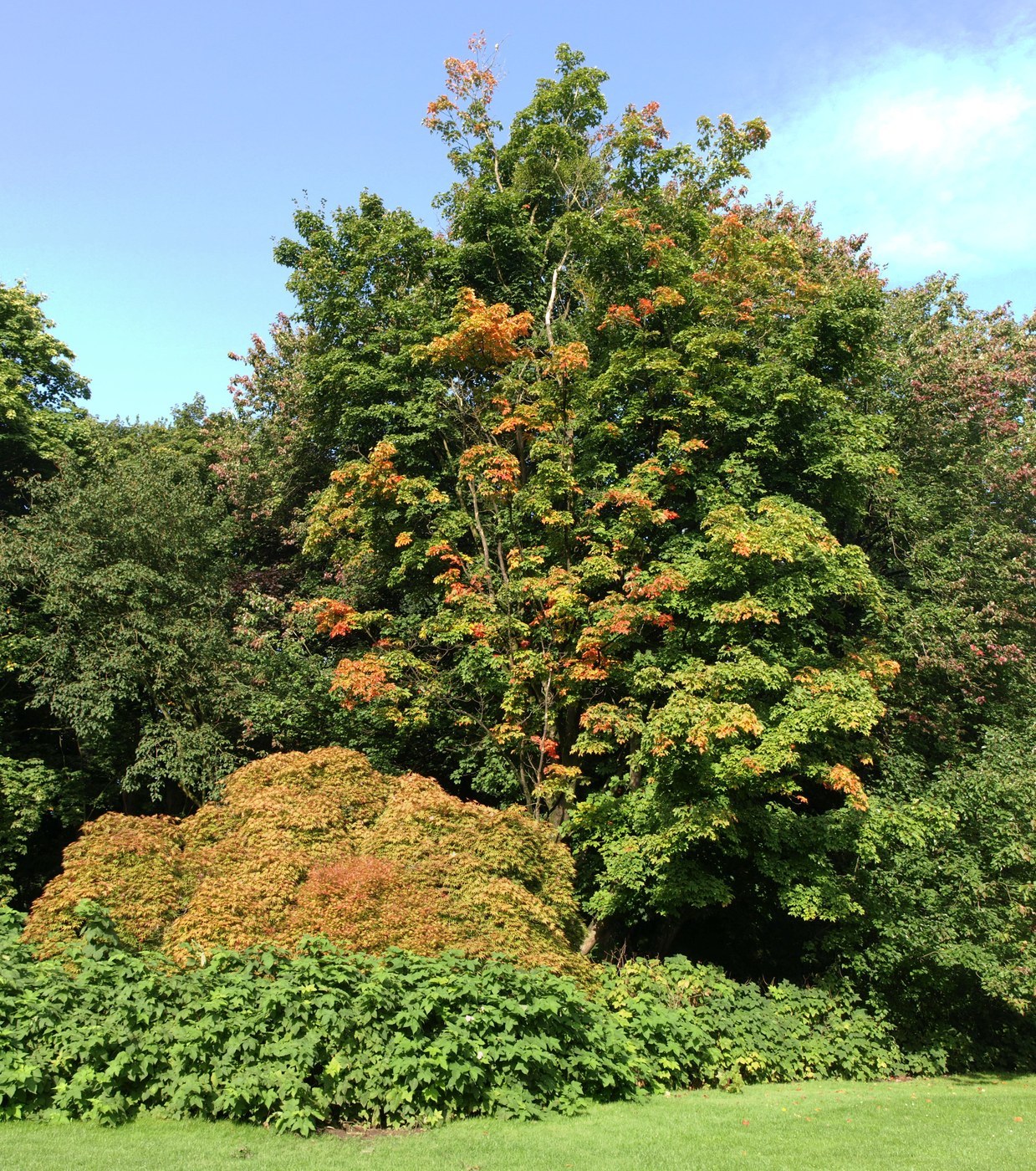
- Fall color: Vivid mix of yellow, orange, and red
- Bark: Gray-brown, becoming furrowed into long, irregular vertical plates with age
- Fruit: Paired samaras ('helicopters') maturing in fall, with nearly parallel wings
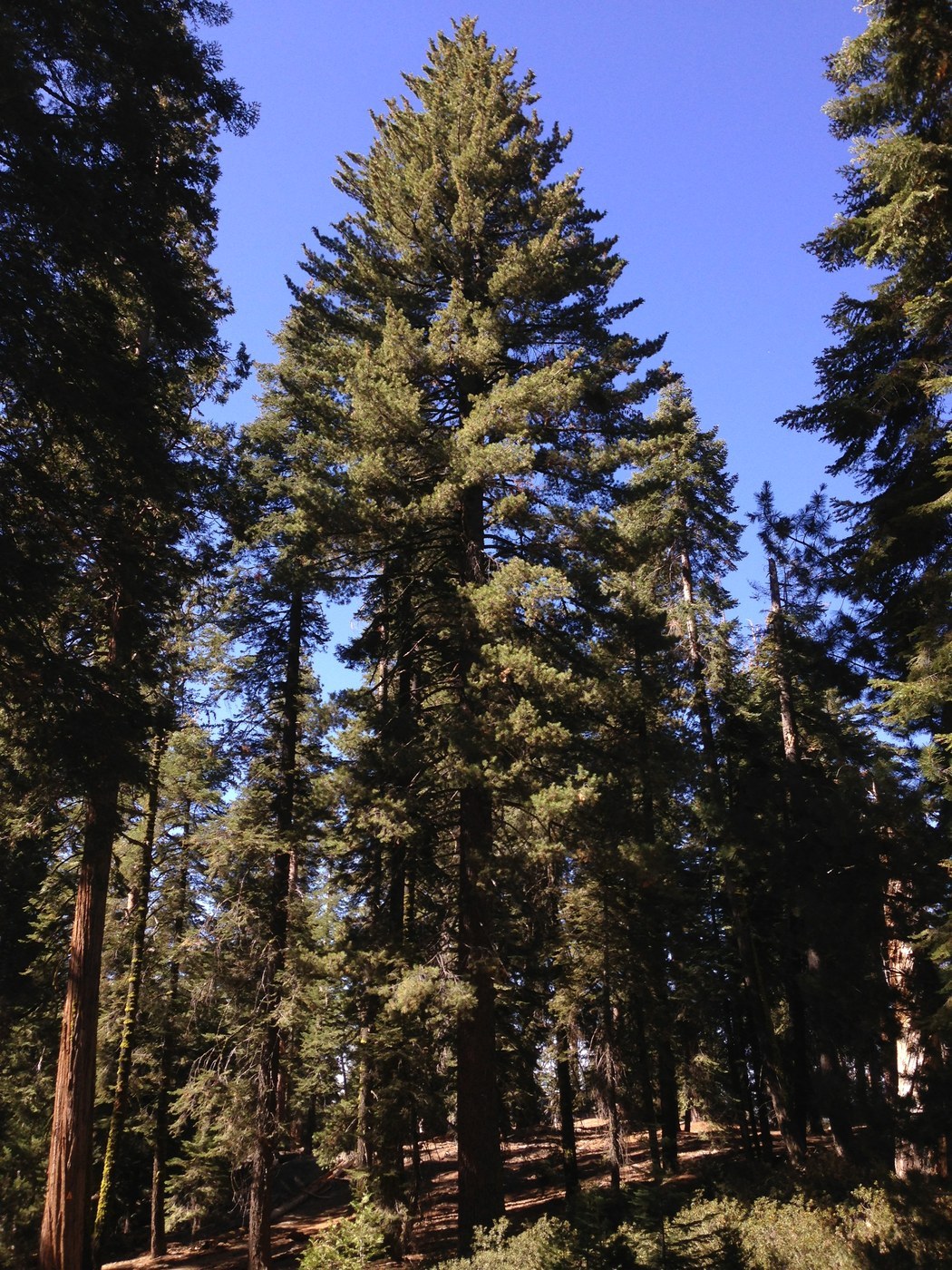
- Form: Dense, rounded to oval crown; large trees reach 60-100 ft
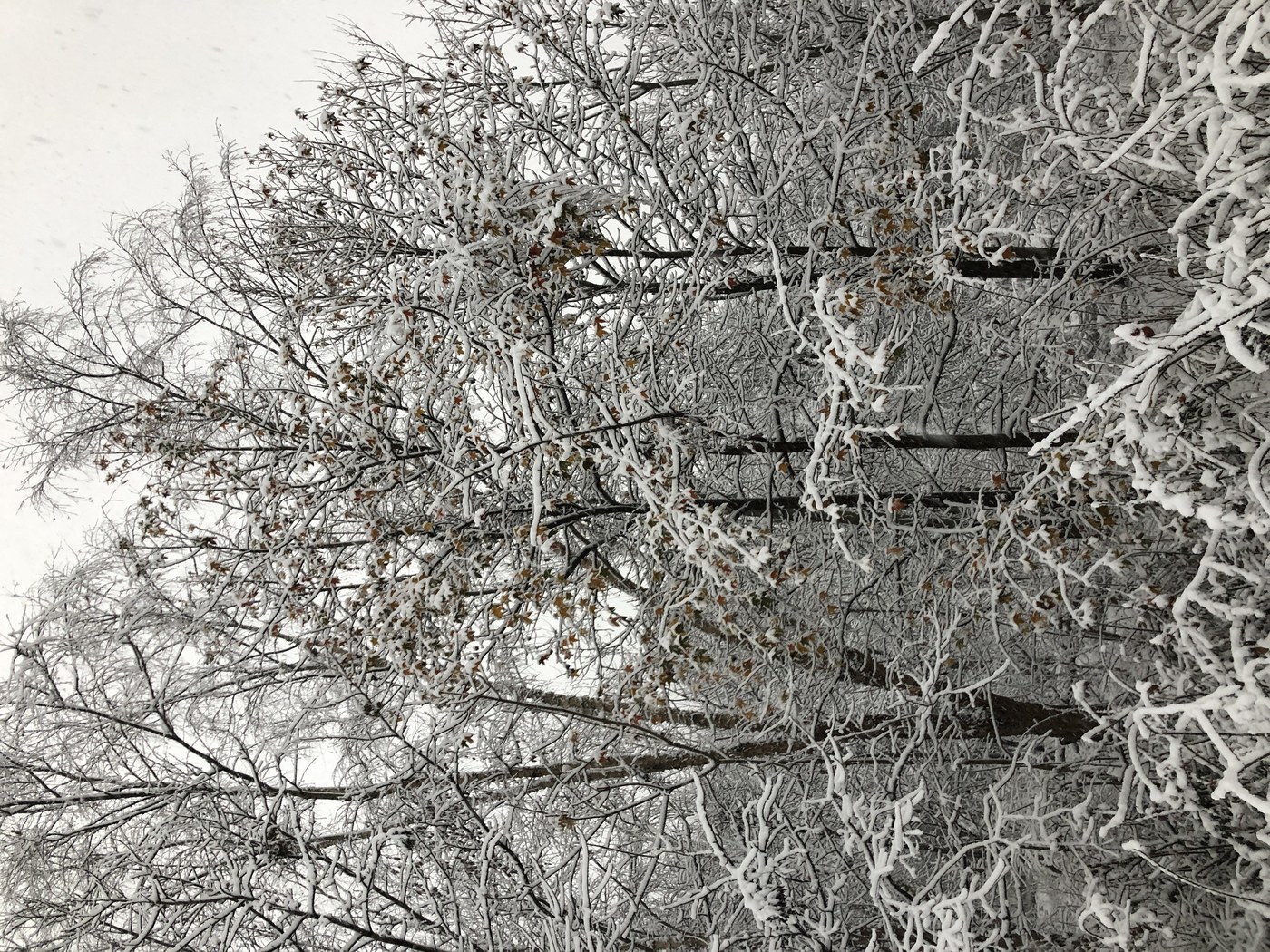
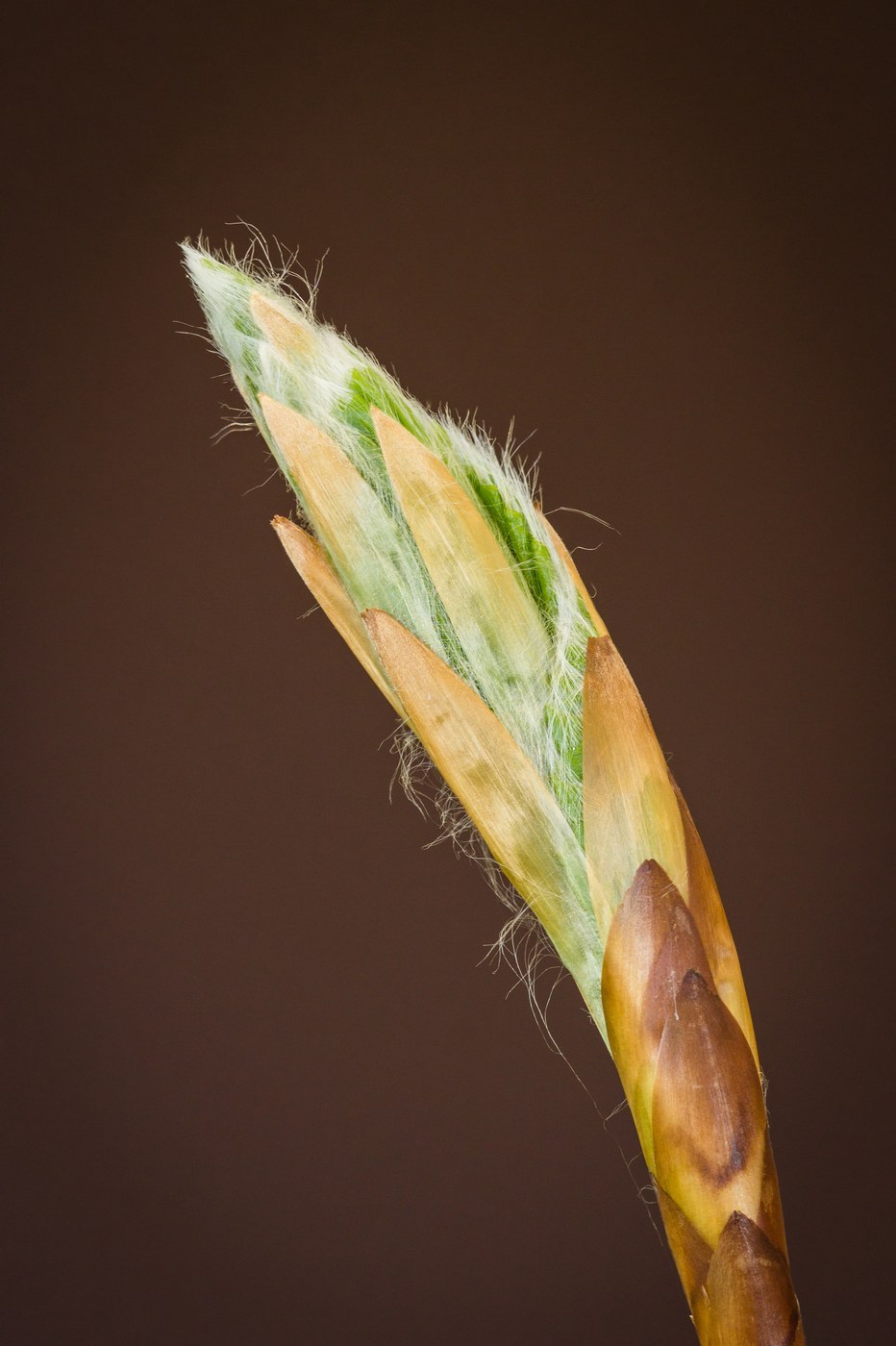
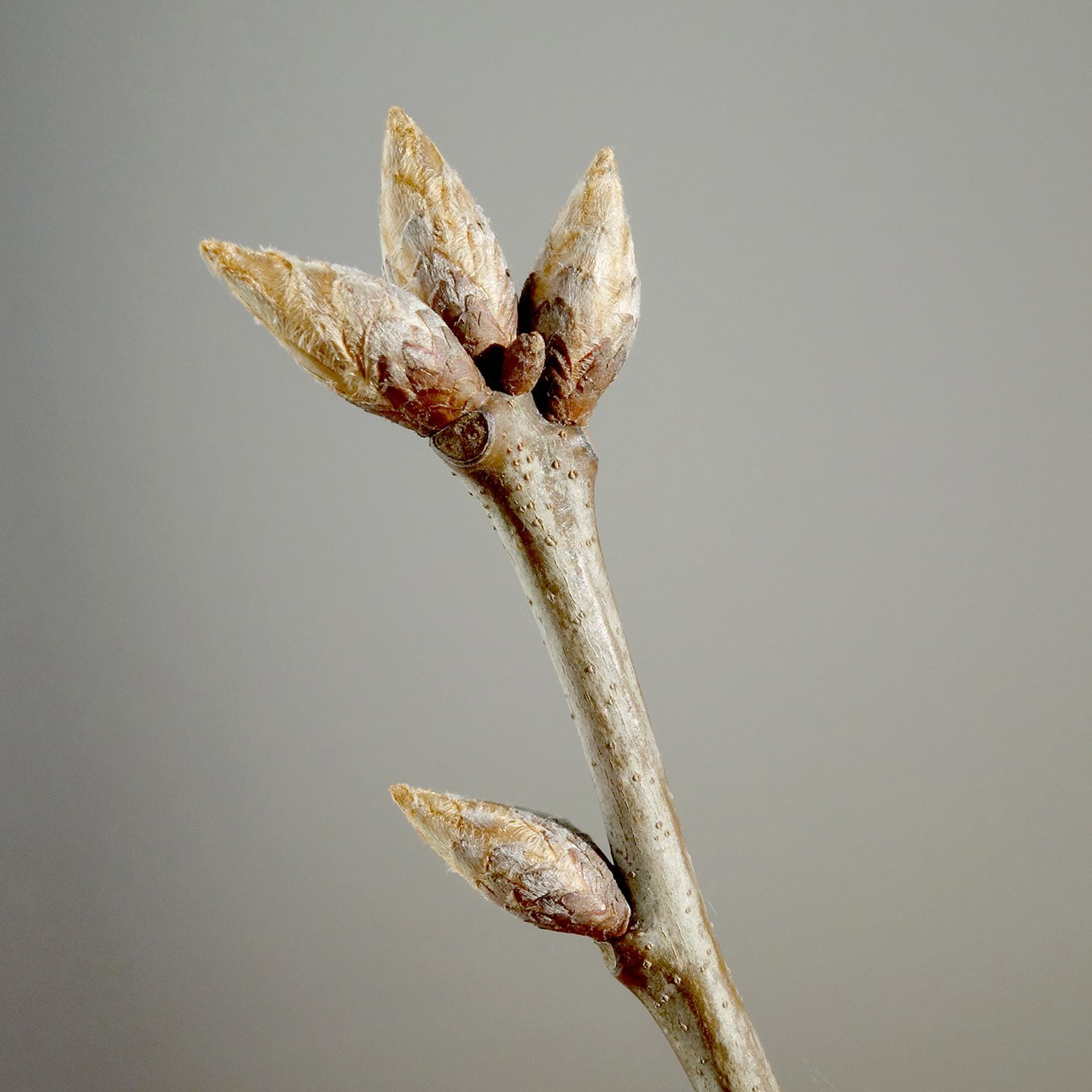
- Buds: Sharp-pointed, brown winter buds
Care & growing
Light: Full sun to partial shade; shade-tolerant when young.
Water: Prefers consistently moist, well-drained soil; intolerant of drought stress and flooding.
Soil: Deep, fertile, slightly acidic to neutral soils; dislikes compaction and salt.
Temperature: Hardy USDA zones 3-8; needs cold winters.
Feeding: Usually unnecessary in good soil.
Propagation: Grown from stratified seed; named cultivars are grafted. Avoid heavy pruning in late winter due to sap bleeding.
Habitat & origin
Sugar maple is native to the hardwood forests of the northeastern United States and eastern Canada, extending into the Appalachians. It dominates rich, well-drained upland forests and is a key component of the northern hardwood forest.
It is widely planted as a shade and street tree where soils are good and pollution is low.
Frequently asked questions
How do I tell sugar maple from red maple?
Sugar maple leaves have smooth-edged lobes with rounded notches between them, while red maple leaves are toothed (serrated) and have a whitish underside.
Why is sugar maple wood valued?
It is dense, strong, and fine-grained, making it ideal for flooring, furniture, and instruments. Figured forms like bird's-eye maple are especially prized.
Why is my sugar maple struggling in the city?
Sugar maple is sensitive to road salt, soil compaction, and air pollution, so it often does poorly in urban and roadside sites.
Sugar Maple guides
In-depth guides for identifying, growing, and caring for Sugar Maple.
How to Care for Sugar Maple
Sugar Maple (Acer saccharum): a majestic shade tree famed for blazing fall color, needing full sun to part shade and rich, well-drained soil.
Sugar Maple Identification Guide
Identify sugar maple (Acer saccharum) by its five-lobed leaves with smooth-edged lobes and rounded sinuses, U-shaped notches, and sharp-tipped brown buds.
Sugar Maple identified by the community
Real specimens identified with Plant Identifier.