
How to Care for Swamp Milkweed
Grow Swamp Milkweed (Asclepias incarnata), a moisture-loving native perennial with pink pollinator blooms: sun, wet soil, easy care.
Read the full Swamp Milkweed encyclopedia entry →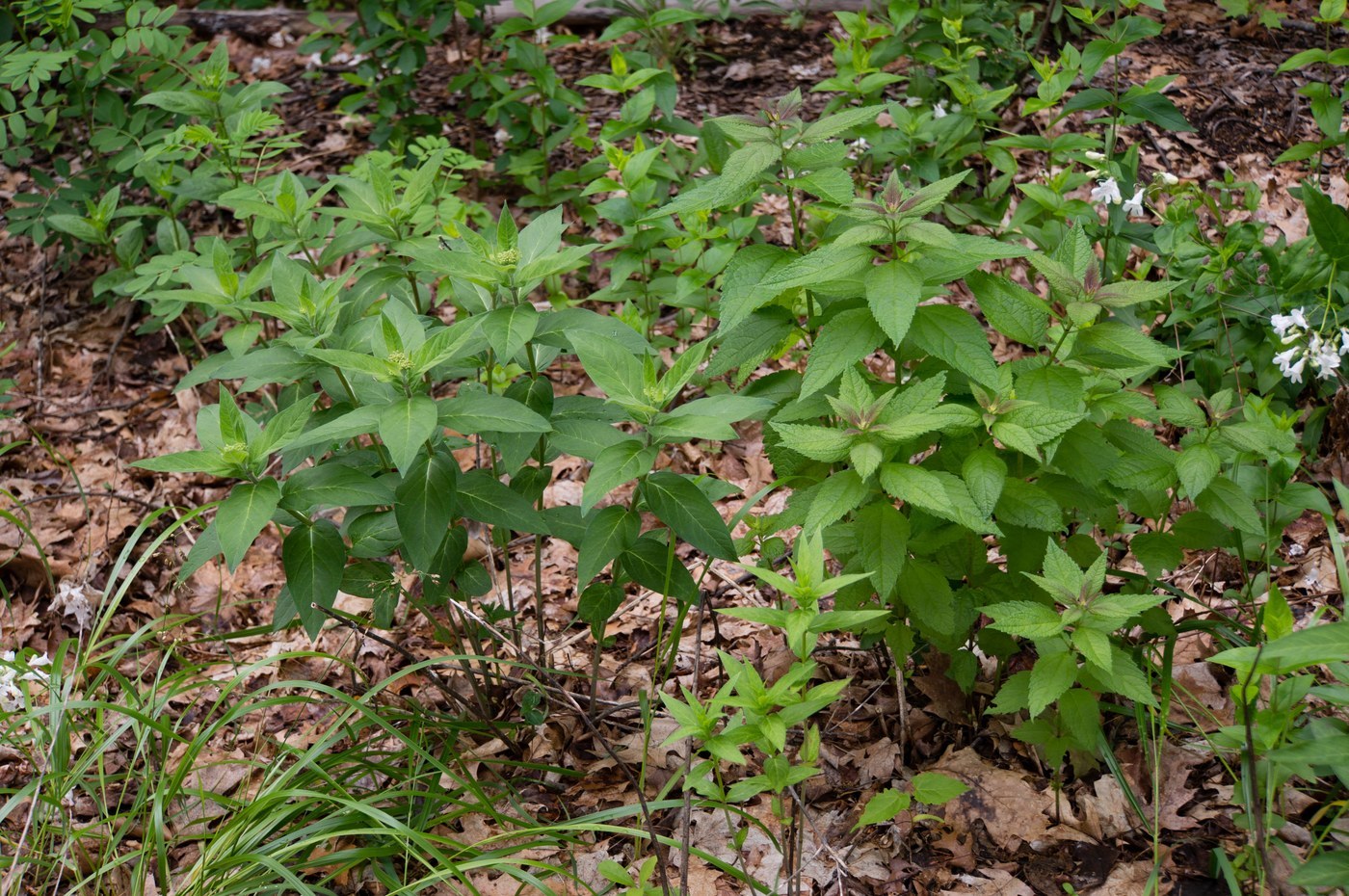
Swamp Milkweed (Asclepias incarnata) is a graceful, clump-forming native perennial topped with domed clusters of soft pink to rose flowers in summer. Despite its name it adapts well to ordinary garden beds, and it is a magnet for butterflies and other pollinators.
Light
Swamp Milkweed flowers best in full sun — at least six hours of direct light — which keeps the tall stems sturdy and bloom heavy. It tolerates very light shade but may grow lankier and flower less freely. Give it your sunniest, most open spot for the strongest display.
Water
This moisture-loving perennial thrives with high, consistent water and revels in moist to wet soil. It is ideal for rain gardens, pond margins and low, damp spots where other plants struggle. In average beds, water regularly and never let it dry out for long, especially during bloom and hot weather.
Soil & Potting
Rich, humusy soil that holds moisture suits it best, though it adapts to average garden soil kept adequately watered. It tolerates heavy clay and periodic standing water far better than most perennials. Work in compost to boost the water-holding capacity of lighter, sandier soils.
Humidity & Temperature
A hardy perennial across a wide range of climates, Swamp Milkweed handles cold winters and warm, humid summers with ease. It dies back to the ground in fall and re-emerges reliably in late spring — often one of the last perennials to break dormancy, so be patient before assuming it hasn't survived.
Feeding
Feeding needs are modest. In fertile, organic-rich soil it needs little or no supplemental fertilizer. On poor soils, a light spring topdressing of compost or a balanced feed is plenty. Avoid heavy nitrogen, which promotes floppy growth at the expense of flowers.
Propagation
Grow easily from seed, which benefits from a period of cold, moist stratification to break dormancy before spring sowing. Established clumps can be divided in spring, though the deep taproot resents disturbance, so divide only when necessary. Stem cuttings can also be rooted in summer.
Repotting / Pruning
Swamp Milkweed needs little pruning. Deadheading spent flowers can encourage a modest second flush and limits self-seeding if you want to control spread; leaving the decorative seed pods, however, adds interest. Cut the dead stalks to the ground in late fall or leave them standing over winter and tidy up in spring.
Common Problems & Pests
Aphids — particularly bright orange oleander aphids — commonly cluster on stems and buds; blast them off with water or wipe them away. It is generally trouble-free and resistant to most diseases, though poorly drained-yet-dry cycles can stress it. Because its roots dislike disturbance, transplant with care to avoid setback.
Seasonal Care Tips
Expect blooms from midsummer into early fall. Keep the soil moist through the growing season, especially in dry spells. Allow seed pods to form for winter interest or clip them to prevent volunteer seedlings. Mark its location, since it emerges late in spring, and simply cut back the previous year's stems as new shoots appear.
Frequently asked questions
Does Swamp Milkweed only grow in wet soil?
It prefers moist to wet conditions and excels in rain gardens and pond edges, but it adapts to average garden soil as long as you water it regularly and don't let it dry out for long.
Why hasn't my Swamp Milkweed come up in spring?
It is one of the last perennials to break dormancy, often not emerging until late spring. Be patient and mark its spot in fall so you don't disturb the dormant crown.
How do I deal with orange aphids on my Swamp Milkweed?
Oleander aphids are common on milkweeds. Knock them off with a strong spray of water or wipe them away by hand; this usually keeps populations in check without harming the plant.
Should I cut back Swamp Milkweed in fall?
You can cut the dead stalks to the ground after frost, or leave them standing for winter interest and cut them back in early spring as new growth appears. Both approaches work well.