Swamp Milkweed
Asclepias incarnata
A moisture-loving native milkweed bearing fragrant clusters of pink flowers, a vital host plant for monarch butterflies and a magnet for pollinators.
- Light
- Full sun
- Water
- High; loves moist to wet soil
- Difficulty
- Easy
Got a plant like this?
Identify any plant from a photo, free.
Overview
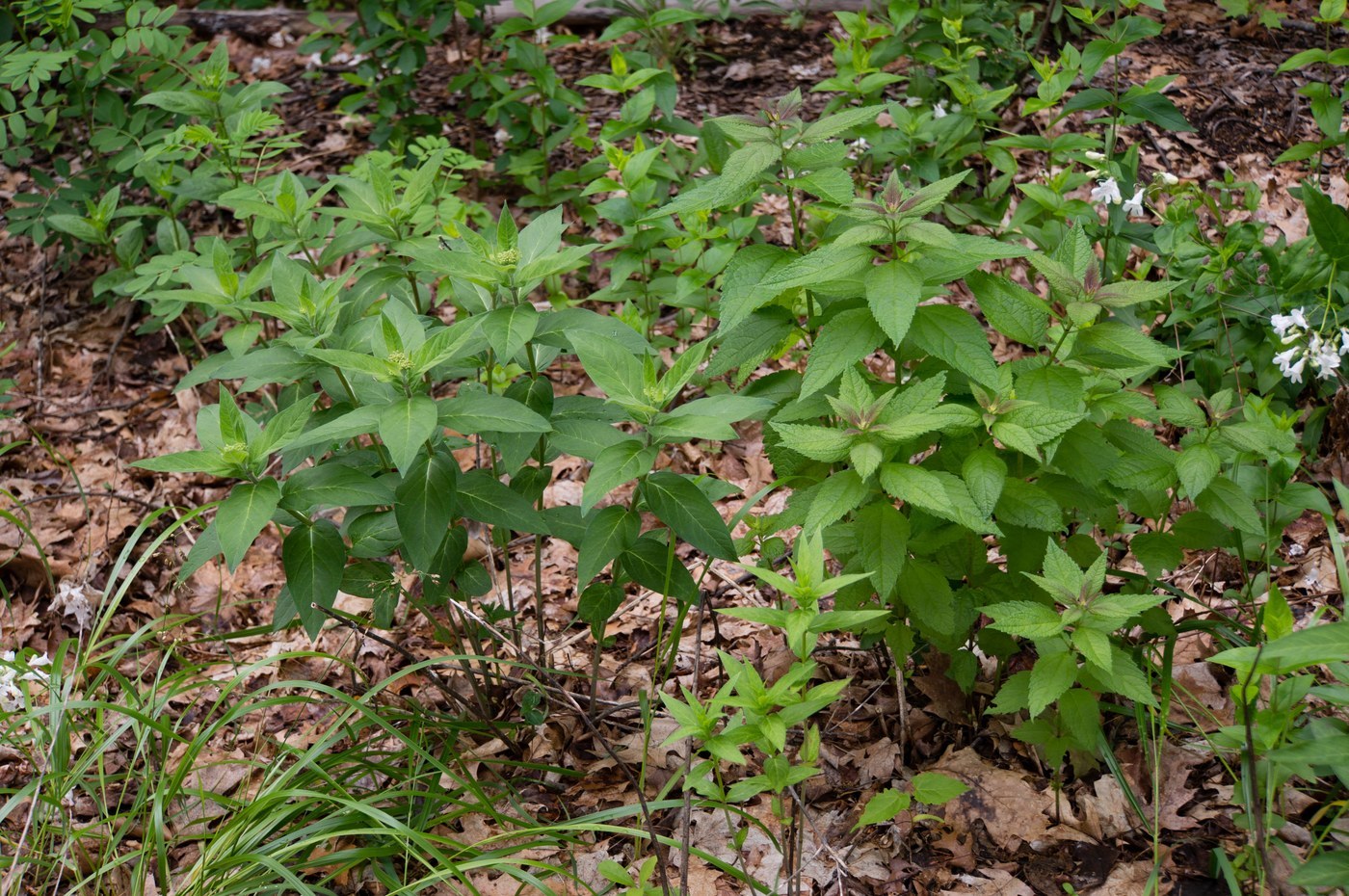
Swamp milkweed is an upright, clump-forming perennial native to wet meadows and stream banks of North America. From mid to late summer it produces showy, domed clusters of small, fragrant pink to rose flowers that draw butterflies, bees, and other pollinators in droves.
As a true milkweed (Asclepias), it is an essential host plant for monarch butterflies, whose caterpillars feed exclusively on milkweed foliage. Despite its swampy native habitat, it adapts well to ordinary garden soil and is far better behaved than the spreading common milkweed, making it a favorite for pollinator and rain gardens.
How to identify it
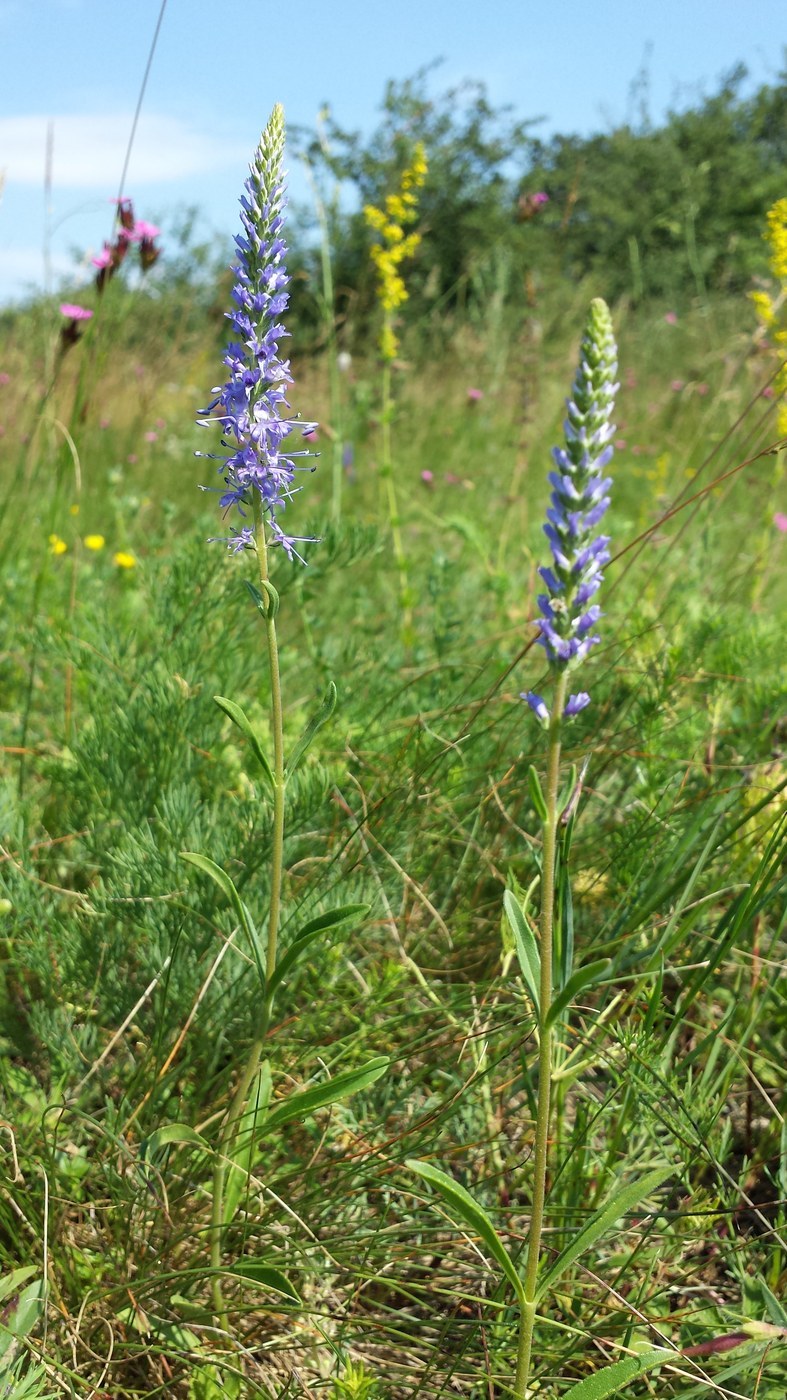
- Flowers: Small, intricate, pink to rose-purple, in rounded clusters (umbels) at the stem tips; lightly fragrant.
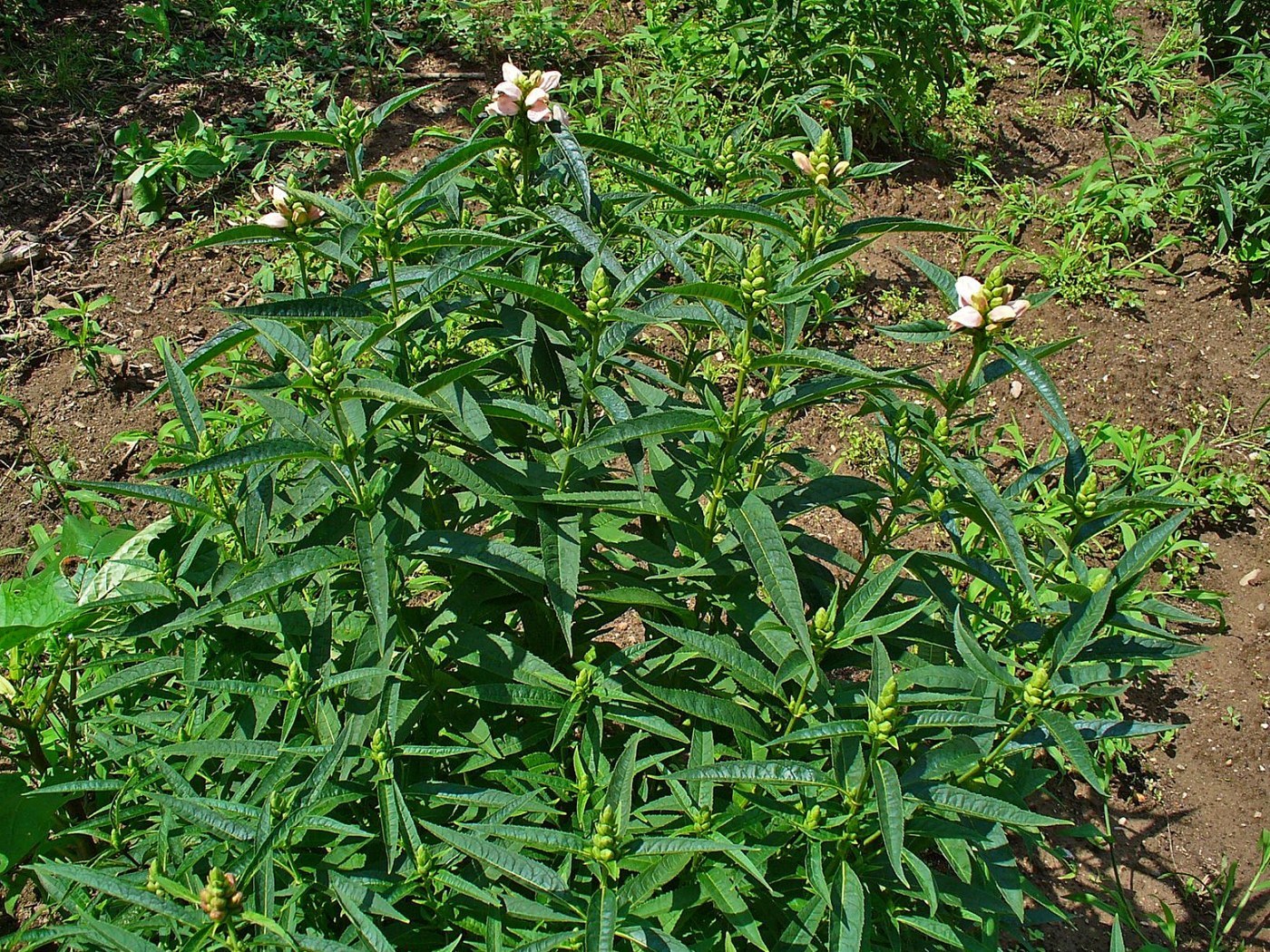
- Leaves: Narrow, lance-shaped, opposite, exuding milky sap when broken.
- Seed pods: Slender, upright follicles that split to release silky-tufted seeds.
- Height: Typically 0.9-1.5 m.
- Habit: Upright, clumping perennial; less aggressive than common milkweed.
Care & growing
Light: Full sun for the best flowering.
Water: Loves consistently moist to wet soil; tolerates ordinary garden moisture but never thrives bone-dry.
Soil: Rich, moisture-retentive soils; great for rain gardens and pond edges.
Temperature: Hardy across a wide temperate range.
Feeding: Minimal; thrives without much fertilizing.
Propagation: Sow seed (cold stratify) or divide carefully. It emerges late in spring, so don't give up on it too soon.
Habitat & origin
Native to much of North America, swamp milkweed grows in wet meadows, marshes, swamps, ditches, and along the banks of streams and ponds. It is adapted to saturated soils but tolerates drier garden conditions.
It is widely planted in pollinator gardens, rain gardens, and naturalized wetland plantings, and is a frequent component of monarch-conservation seed mixes.
Frequently asked questions
Is swamp milkweed good for monarchs?
Yes. As a true milkweed it is an essential host plant for monarch caterpillars and a valuable nectar source for the adult butterflies.
Does it have to grow in a swamp?
No. Although native to wet habitats, it adapts well to average, moist garden soil, though it should not be allowed to dry out completely.
Is it as aggressive as common milkweed?
No. Swamp milkweed forms tidy clumps and spreads far less than common milkweed, making it much better suited to garden beds.
Swamp Milkweed guides
In-depth guides for identifying, growing, and caring for Swamp Milkweed.
How to Care for Swamp Milkweed
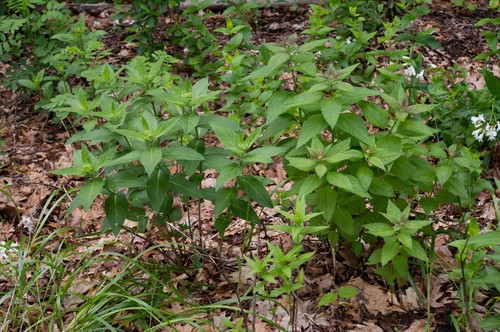
Grow Swamp Milkweed (Asclepias incarnata), a moisture-loving native perennial with pink pollinator blooms: sun, wet soil, easy care.
Swamp Milkweed Identification Guide
Identify Swamp Milkweed by its flat-topped clusters of small pink star flowers, narrow lance leaves, milky sap, and wetland habitat.