
How to Care for Swedish Ivy
Grow Plectranthus verticillatus as an easy trailing houseplant with glossy scalloped leaves in bright indirect light and weekly water.
Read the full Swedish Ivy encyclopedia entry →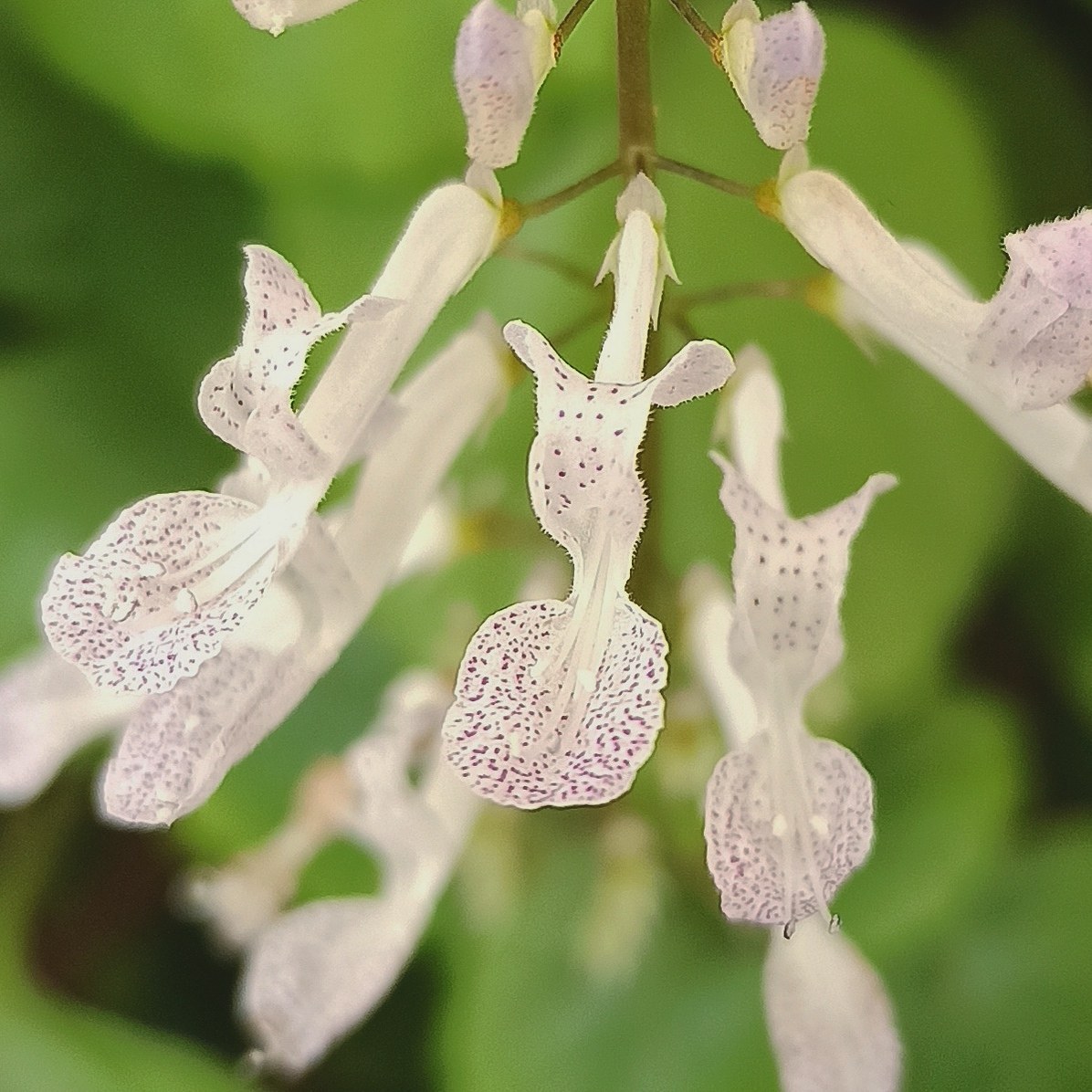
Swedish ivy (Plectranthus verticillatus) is a fast-growing, easygoing trailing houseplant with glossy, scalloped, semi-succulent leaves on cascading stems. Despite the name it is neither Swedish nor a true ivy, but it makes a lush hanging basket or shelf plant with minimal fuss.
Light
Give Swedish ivy bright, indirect light for full, compact growth and the best leaf color. It tolerates moderate light but becomes leggy and sparse in dim rooms. Avoid harsh direct sun, which can scorch and fade the foliage. An east or north window, or a spot near a bright window with filtered light, is ideal.
Water
Water about weekly, letting the top layer of soil dry before watering again. The semi-succulent leaves store some moisture, so the plant tolerates brief dryness better than constant sogginess. Water thoroughly until it drains, then empty the saucer. Reduce frequency in winter when growth slows.
Soil & Potting
Use a light, well-draining, general-purpose potting mix. Adding perlite improves drainage and prevents compaction. A hanging basket or pot with drainage holes suits its trailing habit. Swedish ivy is not fussy about soil pH and grows readily in standard indoor mixes.
Humidity & Temperature
Swedish ivy adapts well to average household humidity and normal room temperatures. It prefers warm, comfortable indoor conditions and dislikes cold drafts and sudden chills. It is frost-tender, so keep it indoors or bring it in well before cold weather arrives. Moderate humidity keeps foliage looking its best.
Feeding
Feed with a balanced, diluted liquid fertilizer every two to four weeks during spring and summer. This vigorous grower responds well to regular light feeding. Stop or greatly reduce feeding in fall and winter when growth naturally slows.
Propagation
Swedish ivy is exceptionally easy to propagate from stem cuttings. Snip a 10 cm tip, remove the lower leaves, and root it in water or directly in moist potting mix. Roots form within a couple of weeks. Pot up several cuttings together for an instantly full plant.
Repotting / Pruning
Repot in spring when roots fill the pot or growth slows, moving up one size. Pinch and trim regularly to keep the plant bushy and prevent bare, straggly stems; the trimmings root easily as new plants. Cutting back leggy growth encourages fresh, dense foliage from the base.
Common Problems & Pests
Leggy, sparse growth signals too little light or a need for pinching. Yellowing, mushy leaves usually mean overwatering, while crispy edges suggest underwatering or dry air. Watch for mealybugs, aphids, and spider mites; wipe foliage and treat with insecticidal soap. Good drainage prevents most root problems.
Seasonal Care Tips
Growth is fastest in spring and summer; feed and pinch through this period for a full plant. Take cuttings any time to refresh or multiply your plant. In fall and winter, reduce watering and feeding as growth slows, and keep it away from cold windows and drafts. Bring outdoor plants indoors before frost.
Frequently asked questions
Why is my Swedish ivy getting leggy?
Legginess comes from too little light or a lack of pinching. Move it to brighter indirect light and pinch the stem tips regularly to encourage bushy, compact growth.
How do I propagate Swedish ivy?
Take a stem-tip cutting, remove the lower leaves, and root it in water or moist potting mix. Roots form within a couple of weeks, making it one of the easiest plants to multiply.
How often should I water Swedish ivy?
About once a week, letting the top of the soil dry between waterings. Its semi-succulent leaves tolerate brief dryness, so avoid keeping the soil constantly wet.
Why are the leaves yellowing?
Yellow, soft leaves usually indicate overwatering or poor drainage. Let the soil dry more between waterings and make sure the pot drains freely.