Swedish Ivy
Plectranthus verticillatus
Swedish Ivy is a fast-growing trailing houseplant with glossy, scalloped leaves, prized for hanging baskets despite being neither Swedish nor a true ivy. It roots easily from cuttings and tolerates a wide range of conditions.
- Light
- Bright indirect light
- Water
- Weekly; let topsoil dry
- Difficulty
- Easy
Got a plant like this?
Identify any plant from a photo, free.
Overview
Swedish Ivy is a member of the mint family (Lamiaceae) native to southern Africa, not Scandinavia. It earned its common name because it became a popular houseplant in Sweden, where it was widely propagated and shared.
Its cascading stems and rounded, waxy leaves make it a classic choice for hanging baskets and high shelves. The plant is vigorous, forgiving, and one of the easiest houseplants to root from a single cutting in a glass of water.
How to identify it
Look for these distinguishing features:
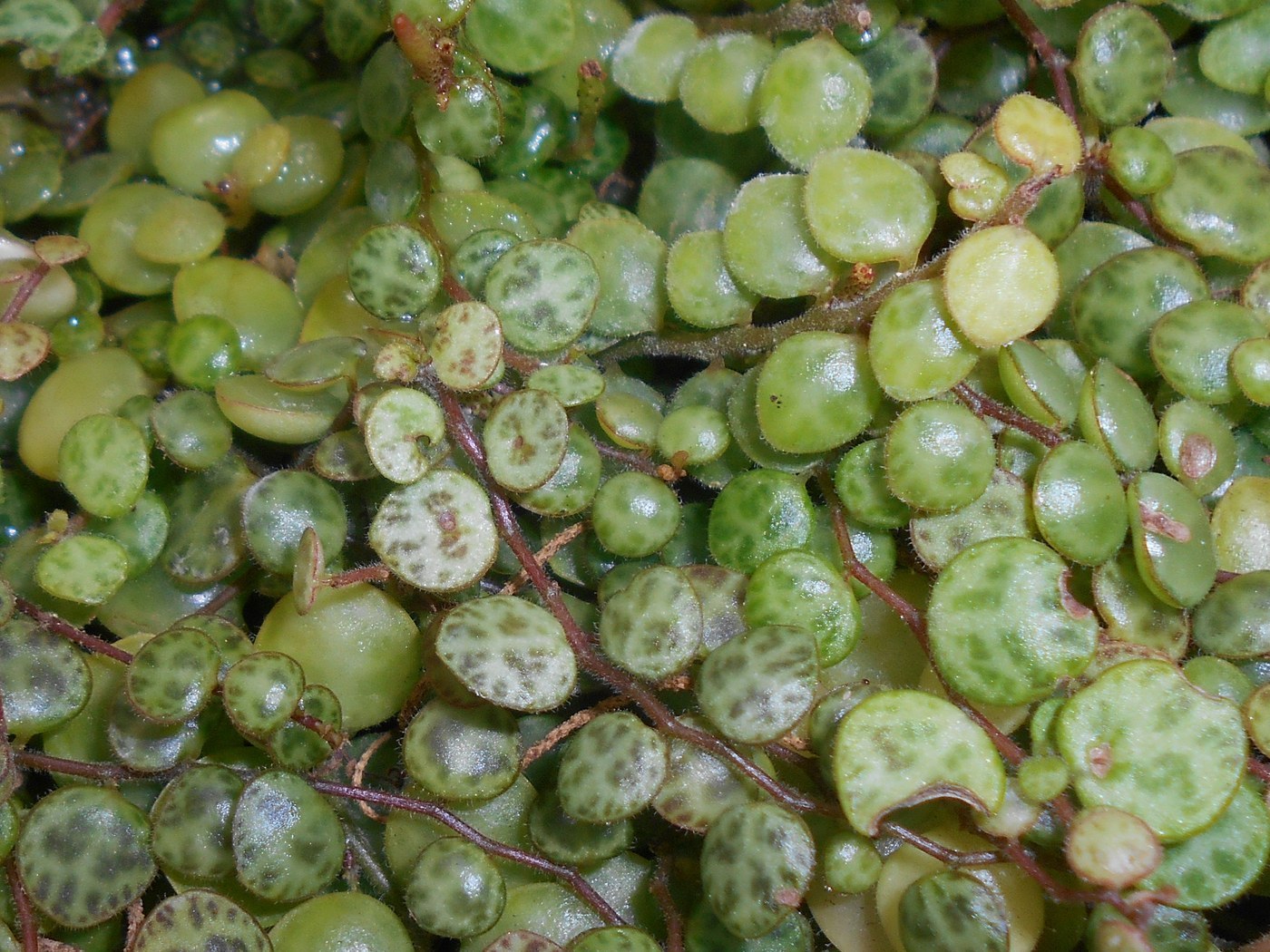
- Leaves: rounded to oval, glossy green, with deeply scalloped (crenate) margins and a slightly waxy feel
- Stems: square in cross-section (a giveaway of the mint family), trailing and slightly succulent
- Habit: cascading and bushy, often spilling over the edges of pots
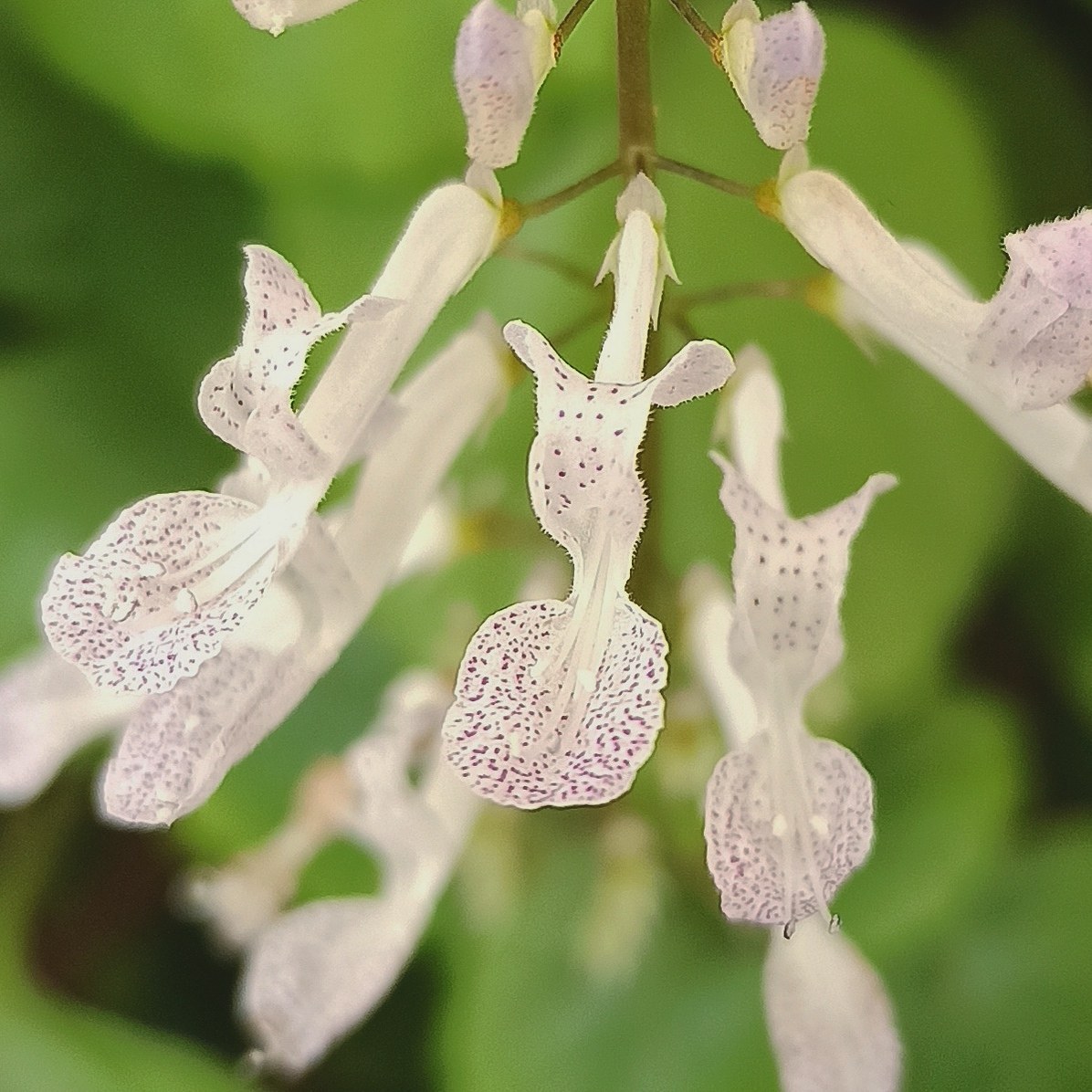
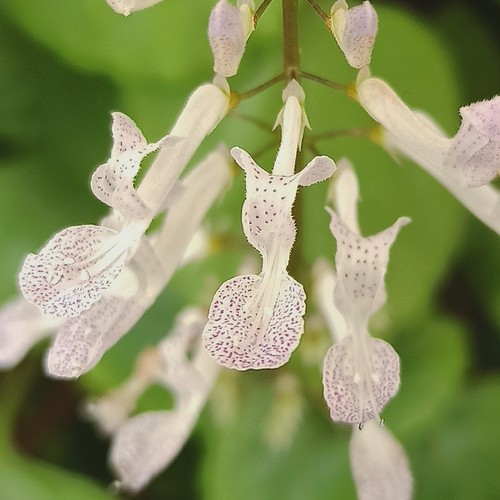
- Flowers: small tubular white to pale lilac blooms on upright spikes, appearing occasionally indoors
- Scent: leaves release a faint aromatic odor when crushed
Care & growing
Light: Bright, indirect light keeps growth full; tolerates some lower light but becomes leggy.
Water: Water when the top inch of soil dries; avoid soggy roots. Slightly drought-tolerant thanks to fleshy stems.
Soil: Standard well-draining potting mix.
Temperature: Comfortable at 60-75°F (15-24°C); protect from frost.
Feeding: Balanced liquid fertilizer monthly during spring and summer.
Propagation: Extremely easy — snip a stem tip and root it in water or moist soil within a week or two. Pinch back regularly to encourage bushiness.
Habitat & origin
Native to South Africa and surrounding regions of southern Africa, where it grows as a ground-covering perennial in shaded, humid conditions.
Today it is grown worldwide as an indoor and patio plant. In frost-free climates it can be used as a fast-spreading outdoor ground cover or in window boxes.
Frequently asked questions
Is Swedish Ivy actually an ivy?
No. Despite the name, it is not a true ivy (Hedera) but a member of the mint family. It is also not from Sweden — it is native to southern Africa.
Why is my Swedish Ivy getting leggy?
Leggy, sparse growth usually means too little light. Move it to a brighter spot and pinch back the stem tips to encourage bushier growth.
How do I propagate Swedish Ivy?
Cut a 3-4 inch stem tip and place it in water or moist soil. Roots typically form within one to two weeks.
Swedish Ivy guides
In-depth guides for identifying, growing, and caring for Swedish Ivy.
How to Care for Swedish Ivy
Grow Plectranthus verticillatus as an easy trailing houseplant with glossy scalloped leaves in bright indirect light and weekly water.
Swedish Ivy Identification Guide
A practical guide to recognizing Swedish Ivy (Plectranthus verticillatus), a trailing houseplant in the mint family despite its common name.