
How to Care for Sweet William
Grow Sweet William (Dianthus barbatus): easy cottage-garden favorite with dense, spice-scented flower clusters in rich reds, pinks, and whites.
Read the full Sweet William encyclopedia entry →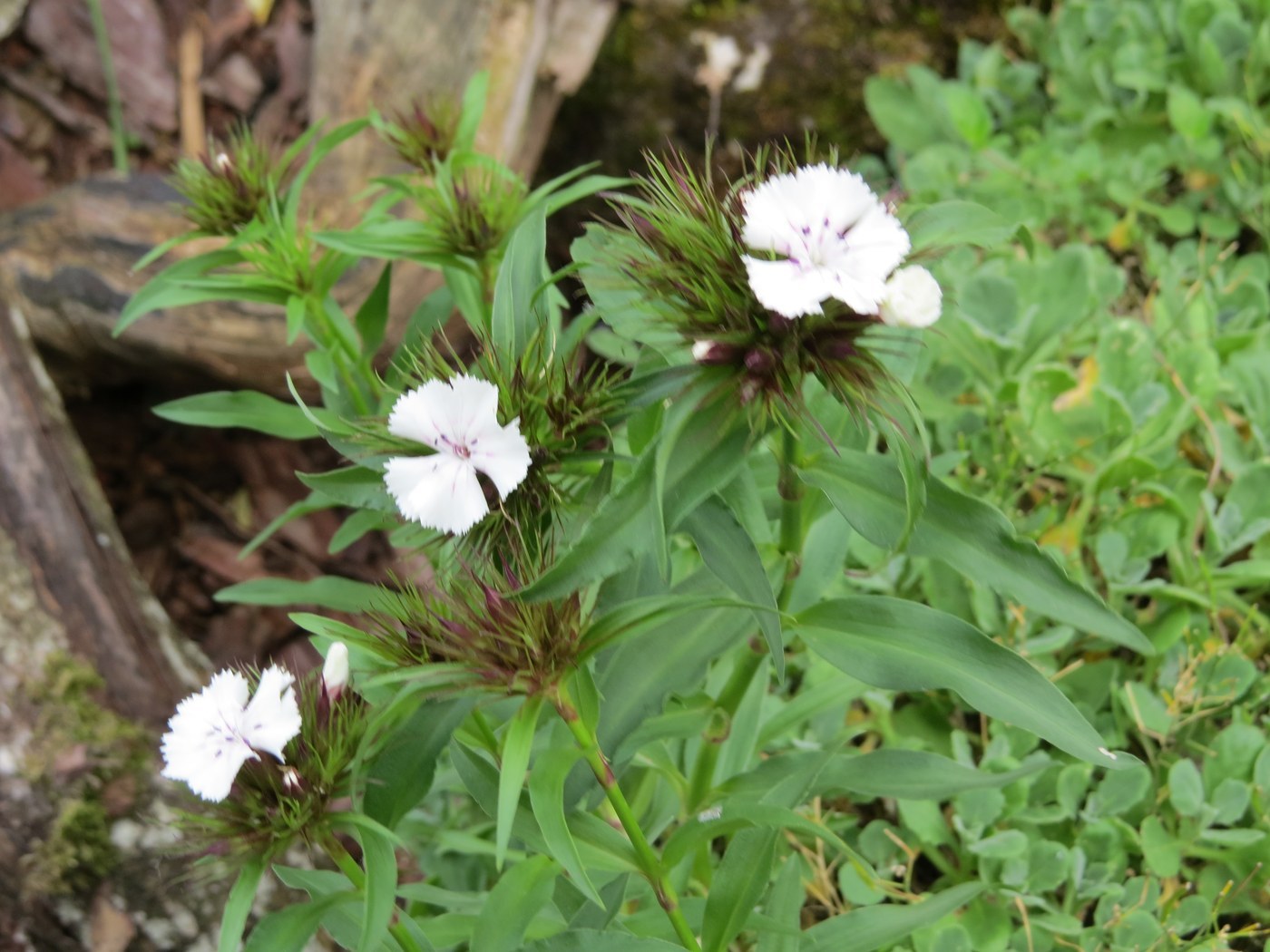
Sweet William (Dianthus barbatus) is a classic cottage-garden biennial or short-lived perennial cherished for its dense, flat-topped clusters of fringed, spicy-scented blooms in reds, pinks, purples, and bicolors. It is an easy, cheerful plant that fills late-spring and early-summer beds with color.
Light
Grow Sweet William in full sun to light shade. At least six hours of direct sun gives the strongest stems, best flowering, and most compact habit. In hot-summer regions a little afternoon shade helps prolong the bloom and keeps colors from fading.
Water
Provide moderate, even moisture in well-drained soil. Water when the top inch dries, aiming to keep the root zone consistently but not soggily moist. Water at the base to keep foliage and flowers dry, as wet leaves invite fungal problems. Established plants tolerate brief dry spells.
Soil & Potting
Sweet William prefers fertile, well-drained soil and, true to the Dianthus clan, appreciates a neutral to slightly alkaline pH. Work in compost and, on heavy clay, coarse grit to improve drainage. Sharp drainage is essential; standing moisture is the quickest way to lose the plant.
Humidity & Temperature
This is a cool-season plant, hardy through roughly zones 3-9. It thrives in mild temperatures and can look tired in extreme summer heat. High humidity with poor airflow encourages leaf spot and rust, so space plants for good ventilation.
Feeding
Feed lightly. Work compost or a balanced granular fertilizer into the bed at planting, then apply a light balanced feed as flower buds form. Avoid excess nitrogen, which drives leafy growth at the expense of blooms.
Propagation
Sweet William is easily raised from seed sown in early to midsummer for flowers the following year, mirroring its natural biennial cycle. It also self-sows readily. Named or favorite plants can be propagated from stem cuttings taken in summer, or by dividing and transplanting rooted side shoots.
Repotting / Pruning
Deadhead spent flower clusters to prolong bloom and reduce unwanted self-seeding. After the main flush, shearing plants back can sometimes coax a modest second round of flowers and keeps the plant tidy. For container plants, refresh the potting mix each year and pot up as clumps expand.
Common Problems & Pests
Watch for rust, leaf spot, and crown or root rot in wet, poorly drained conditions. Good drainage, base watering, and airflow prevent most disease. Aphids can cluster on new growth and buds; rinse them off or treat with insecticidal soap. Slugs and snails may nibble young plants.
Seasonal Care Tips
Sow seed in early summer for next year's display. Plants flower heavily in late spring and early summer, when deadheading extends the show. After bloom, shear back and feed lightly. Because it is short-lived, let a few flowers set seed each year, or sow fresh, to keep a continuous supply of plants.
Frequently asked questions
Is Sweet William an annual, biennial, or perennial?
It is naturally a biennial or short-lived perennial. Many gardeners grow it as a biennial, sowing one summer for flowers the next, and let it self-seed to renew itself.
How do I get Sweet William to rebloom?
Deadhead spent clusters promptly and shear the plant back after the main flush. This often prompts a lighter second round of flowers and keeps the plant vigorous.
Why are the leaves developing spots or rust?
Leaf spot and rust thrive in damp, crowded conditions. Water at the base, space plants for airflow, and remove affected foliage to control the spread.
Can I grow Sweet William in containers?
Yes. Use a well-drained potting mix in a pot with drainage holes, site it in full sun to light shade, and keep the mix evenly moist but never soggy.