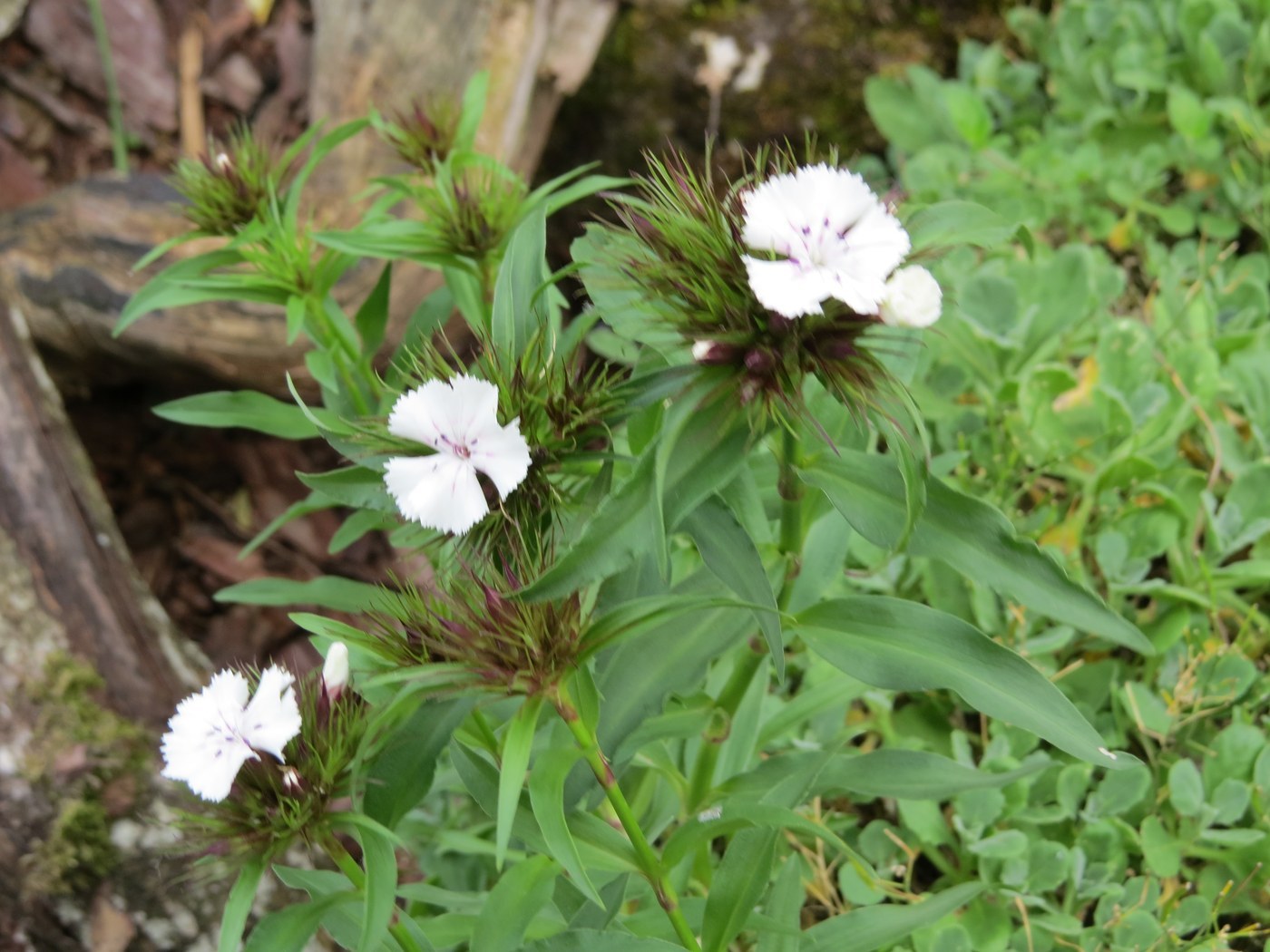
Sweet William
Dianthus barbatus
Sweet William is a short-lived cottage-garden classic bearing dense, flat clusters of fringed, often bicolored flowers with a clove-like fragrance. It's typically grown as a biennial, blooming in its second year.
- Light
- Full sun to light shade
- Water
- Moderate; well-drained soil
- Difficulty
- Easy
Got a plant like this?
Identify any plant from a photo, free.
Overview
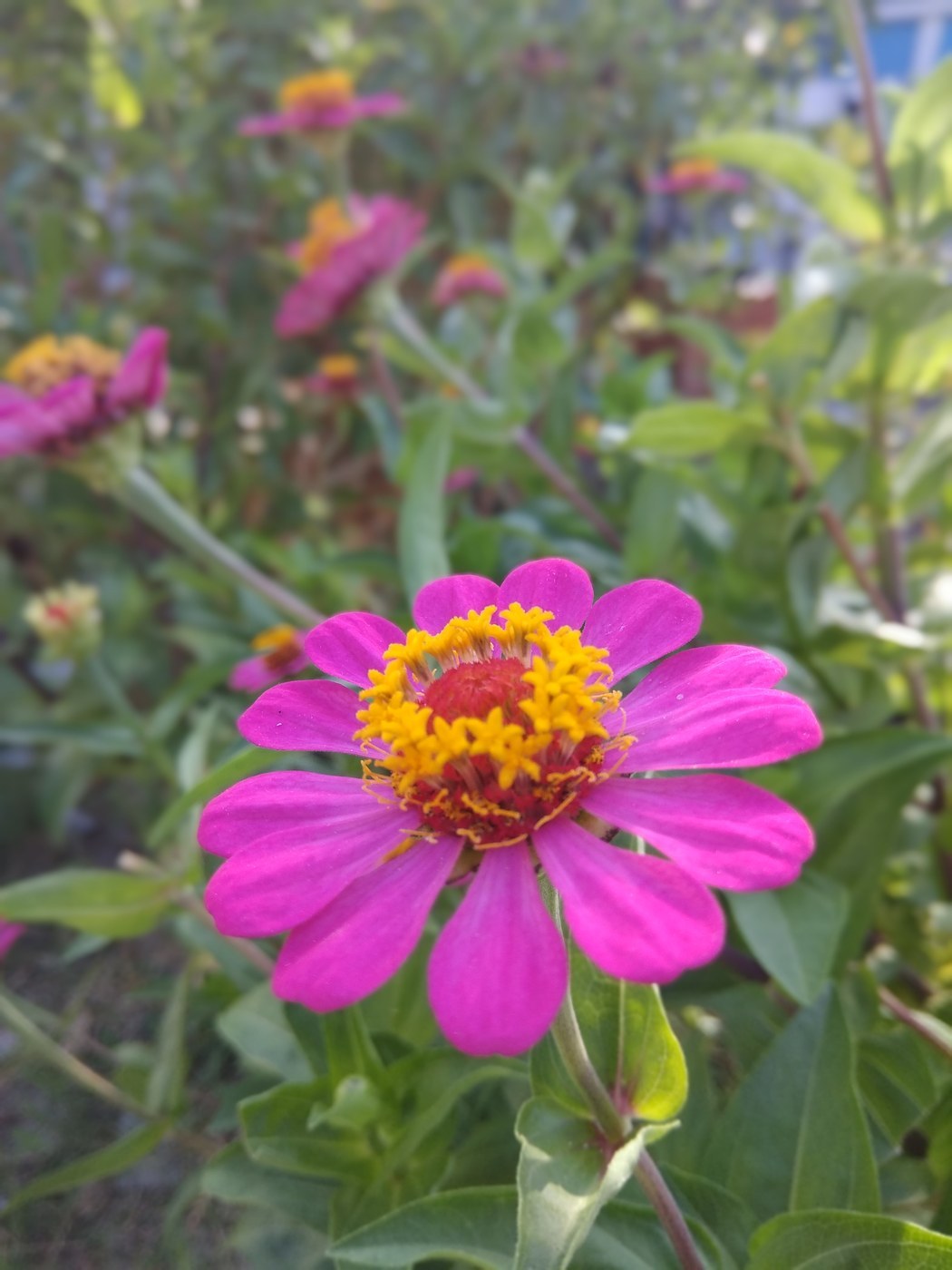
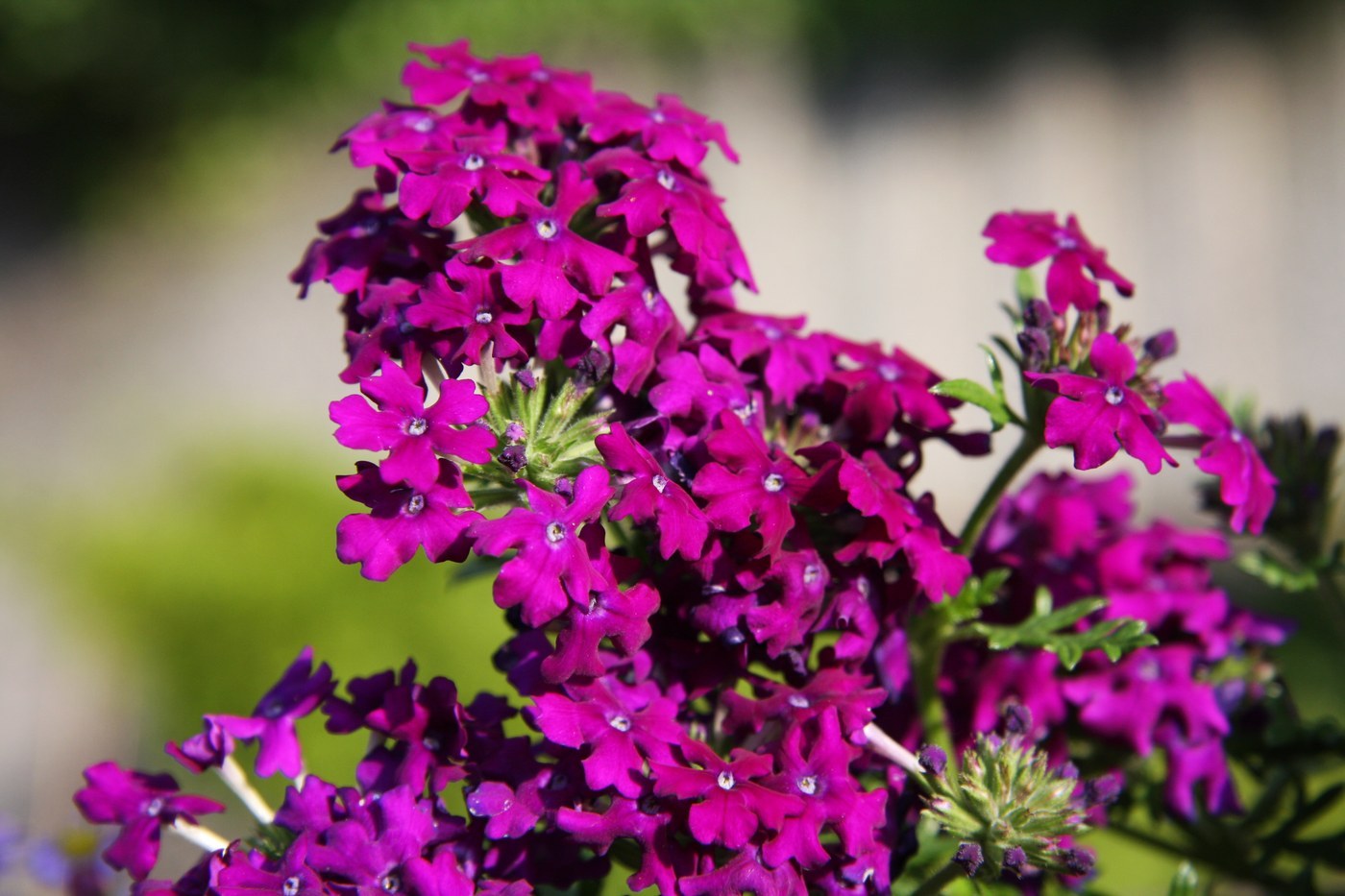
Sweet William (Dianthus barbatus) is a member of the carnation family grown for its tightly packed, rounded flower heads in shades of red, pink, white and bicolor patterns, frequently with contrasting 'eyes' and fringed petal edges.
Most often grown as a biennial or short-lived perennial, it forms a leafy rosette the first year and flowers in late spring to early summer the next. Many modern cultivars bloom the first year from an early sowing. It's a beloved cottage-garden and cut-flower plant.
How to identify it
Flat-topped clusters of fringed flowers set Sweet William apart from other pinks.
- Flowers: small, fringed-edged blooms packed into dense, flat-topped clusters 3-5 in across; red, pink, white, purple, often bicolored with contrasting rings
- Leaves: lance-shaped, opposite, green to bronze, clasping sturdy stems
- Habit: upright clumps typically 12-24 in tall
- Scent: light, spicy, clove-like fragrance
Care & growing
An easy plant for sunny, well-drained sites.
- Light: full sun to light afternoon shade
- Water: moderate; let soil drain freely and avoid soggy crowns
- Soil: fertile, well-drained, neutral to slightly alkaline soil
- Temperature: cold hardy (zones 3-9); needs a cool period to bloom in its biennial cycle
- Feeding: a light spring feed is sufficient
- Maintenance: deadhead to prolong bloom and reduce self-sowing if unwanted
- Propagation: from seed sown in early summer for next-year bloom, or from cuttings
Habitat & origin
Dianthus barbatus is native to the mountains of southern Europe, with a range extending into parts of Asia. It naturally grows in open, rocky and grassy sites on well-drained ground.
Long cultivated, it has naturalized in many temperate regions and is a fixture of cottage gardens, borders and cutting gardens worldwide.
Frequently asked questions
Is Sweet William an annual or perennial?
It's usually grown as a biennial, forming foliage the first year and flowering the second. Some short-lived perennial and first-year-flowering types exist too.
Will Sweet William come back every year?
Individual plants are short-lived, but it self-seeds readily, so a patch often persists through volunteer seedlings.
Does it make a good cut flower?
Yes, excellent. The dense clusters last well in a vase and add a clove-like fragrance to arrangements.
How do I get more blooms?
Deadhead spent clusters and grow it in full sun with well-drained soil. Removing faded flowers extends the display.
Sweet William guides
In-depth guides for identifying, growing, and caring for Sweet William.
How to Care for Sweet William
Grow Sweet William (Dianthus barbatus): easy cottage-garden favorite with dense, spice-scented flower clusters in rich reds, pinks, and whites.
Sweet William Identification Guide
Identify Sweet William by its dense, flat-topped clusters of fringed, often bicolored flowers and paired lance-shaped leaves.