
How to Care for Sweetbay Magnolia
Grow the adaptable Sweetbay Magnolia for fragrant creamy blooms and glossy leaves in sun to part shade and moist to wet soil.
Read the full Sweetbay Magnolia encyclopedia entry →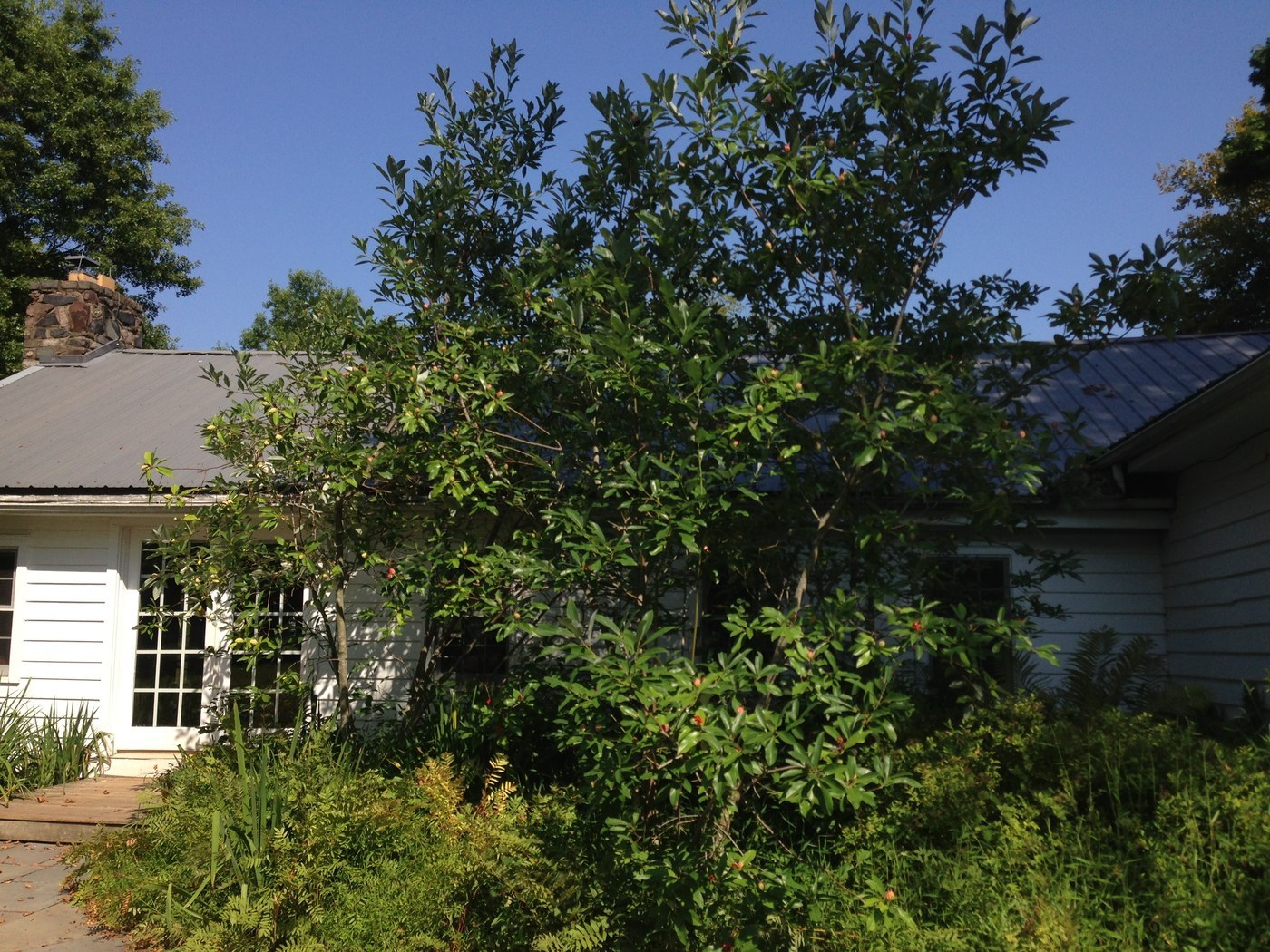
Sweetbay Magnolia (Magnolia virginiana) is a graceful, adaptable native tree valued for its creamy, lemon-scented summer flowers and glossy leaves with silvery undersides that shimmer in a breeze. Tolerant of wet ground and a range of light, it is an easygoing choice for damp spots where many trees struggle.
Light
Sweetbay grows well in full sun to part shade. Full sun encourages denser form and more abundant flowering, while part shade suits it in hot southern climates and along woodland edges. In deep shade it becomes open and sparse and flowers less. A spot with morning sun and some afternoon relief is ideal in warmer regions.
Water
This tree loves moisture. It naturally grows in swamps and stream banks, so it tolerates wet, poorly drained soil that would drown most trees, and it also handles seasonal flooding. Keep the soil consistently moist, especially while young and during dry spells. It is less drought-tolerant than many landscape trees, so water deeply during prolonged dry periods and mulch to retain moisture.
Soil & Potting
Sweetbay prefers moist to wet, acidic soil rich in organic matter. It thrives in the boggy, humusy conditions of its native wetlands and dislikes dry, alkaline, or compacted soil, where it may show chlorosis. Amend planting sites with compost and maintain a generous mulch layer. Because it accepts wet ground, it is excellent for low, poorly draining areas of the landscape.
Humidity & Temperature
Hardy roughly in USDA zones 5-10, Sweetbay is semi-evergreen to evergreen in the warm South and deciduous in colder northern climates, where it may drop its leaves in winter. It handles heat and humidity well. In the coldest parts of its range, plant in a sheltered spot to protect the foliage from harsh winter wind.
Feeding
Sweetbay is not a heavy feeder. In poor soil, apply a balanced or acid-forming slow-release fertilizer in early spring as growth begins. In rich, organic soil a yearly application of compost is usually enough. Avoid excess nitrogen, which favors foliage over flowers. Fertilizers formulated for acid-loving plants help maintain the slightly acidic conditions it prefers.
Propagation
Propagate from seed cleaned from the red-seeded cones and cold-stratified over winter, though seedlings are slow. Softwood cuttings taken in early summer can be rooted under mist with rooting hormone. Named selections are usually propagated by cuttings or grafting to keep their form and evergreen tendency true.
Repotting / Pruning
Magnolias resent root disturbance, so plant Sweetbay in its permanent location while young and avoid moving established trees. Pruning needs are light: shape after flowering, removing dead, crossing, or weak branches. It can be grown as a single-trunk tree or a multi-stemmed large shrub depending on how you prune early on. Avoid heavy cuts, which magnolias heal slowly.
Common Problems & Pests
Sweetbay is largely trouble-free and more pest-resistant than many trees. In alkaline or dry soil it can develop iron chlorosis, corrected by acidifying the soil or applying chelated iron. Occasional issues include magnolia scale, leaf spots, and powdery mildew in humid, crowded conditions with poor air flow. Good drainage of the crown, adequate spacing, and healthy soil prevent most problems.
Seasonal Care Tips
Plant in spring or fall. Water consistently through the first years and during summer dry spells. Enjoy the fragrant flowers from late spring into summer. In the North, expect leaf drop in autumn; in the South, foliage largely persists. Refresh acidic mulch in spring and do any light shaping right after the main bloom finishes.
Frequently asked questions
Is Sweetbay Magnolia evergreen or deciduous?
It depends on climate. In the warm South it is largely evergreen or semi-evergreen, holding its glossy leaves through winter, while in colder northern regions it behaves as a deciduous tree and drops its leaves in autumn.
Can Sweetbay Magnolia grow in wet soil?
Yes. It is native to swamps and stream banks and tolerates wet, poorly drained ground and even seasonal flooding, making it an excellent choice for low, boggy areas where most trees would fail. It still prefers acidic, organic-rich soil.
Why are my Sweetbay Magnolia's leaves turning yellow between the veins?
Yellowing between green veins is iron chlorosis, usually caused by alkaline or compacted soil that locks up iron. Acidify the soil with an acid-forming fertilizer or elemental sulfur, apply chelated iron, and mulch to improve the root environment.
How much sun does a Sweetbay Magnolia need?
It grows in full sun to part shade. Full sun gives the densest form and most flowers, while part shade suits hot climates. Avoid deep shade, where the tree grows sparse and blooms poorly.