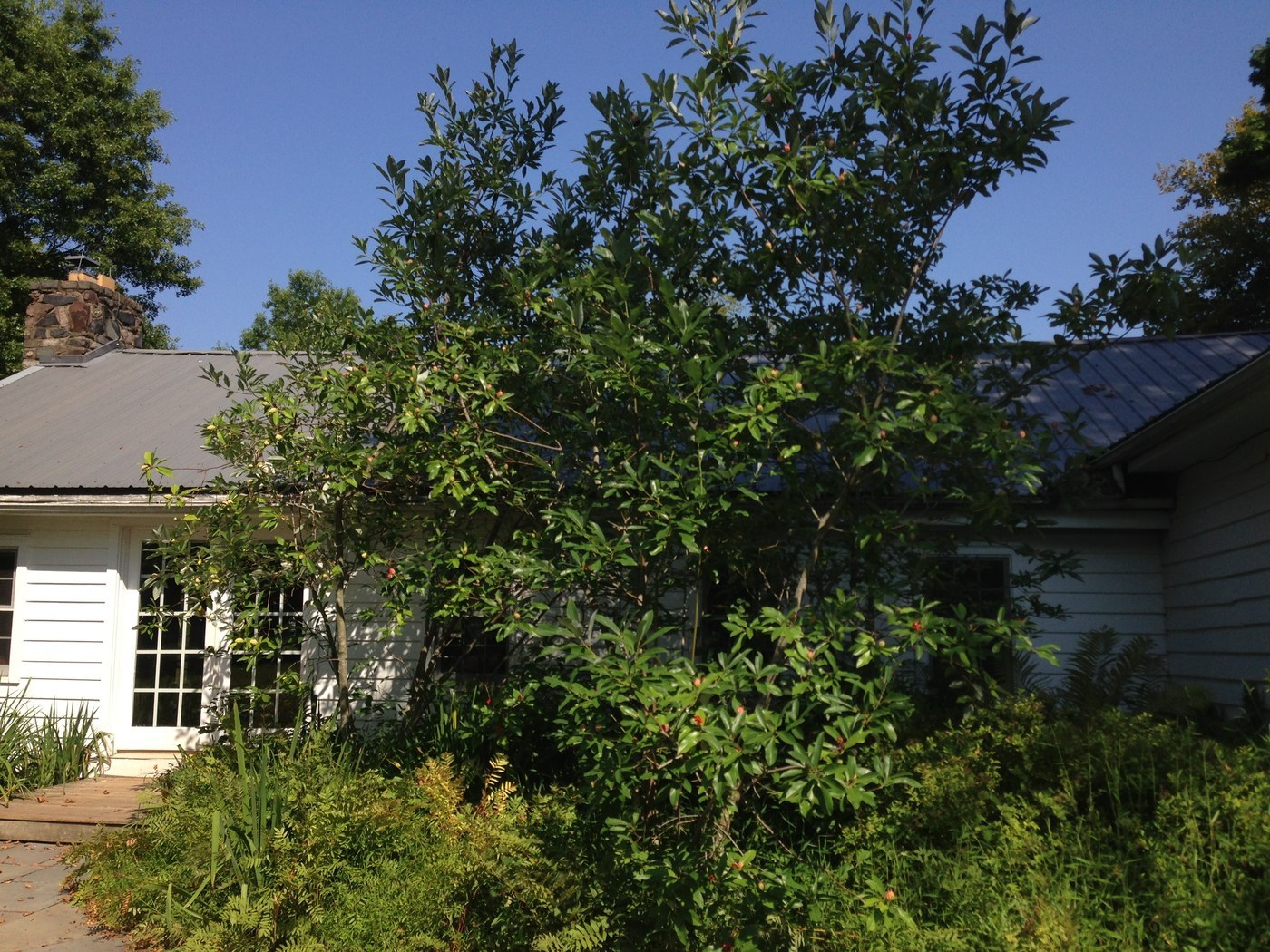
Sweetbay Magnolia
Magnolia virginiana
Sweetbay magnolia is a graceful native North American tree with creamy, lemon-scented summer flowers and silvery-backed leaves. Unusually for a magnolia, it thrives in wet, swampy ground.
- Light
- Full sun to part shade
- Water
- Tolerates wet soil; keep moist
- Difficulty
- Easy
Got a plant like this?
Identify any plant from a photo, free.
Overview
Sweetbay magnolia (Magnolia virginiana) is a deciduous to semi-evergreen tree native to the eastern United States, prized for its fragrant ivory flowers, glossy leaves with silver undersides, and tolerance of wet sites. In the South it can be evergreen and tree-like; in the North it is often a smaller, multi-stemmed deciduous tree.
It blooms over a long period from late spring into summer, with lemon-scented, cup-shaped flowers, followed by showy red-seeded cone-like fruit. Mature size ranges widely from 10 ft to over 50 ft depending on climate.
How to identify it
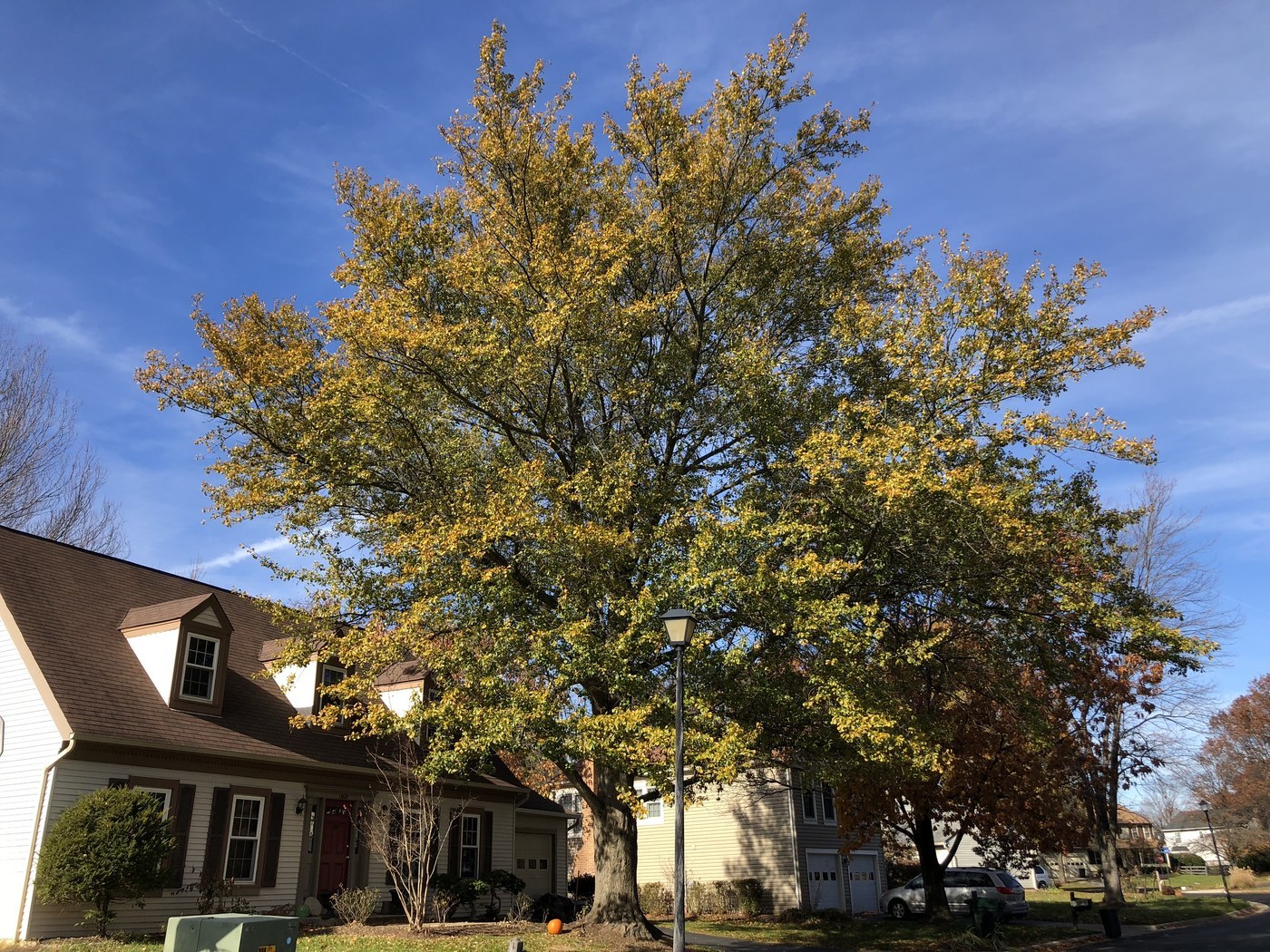
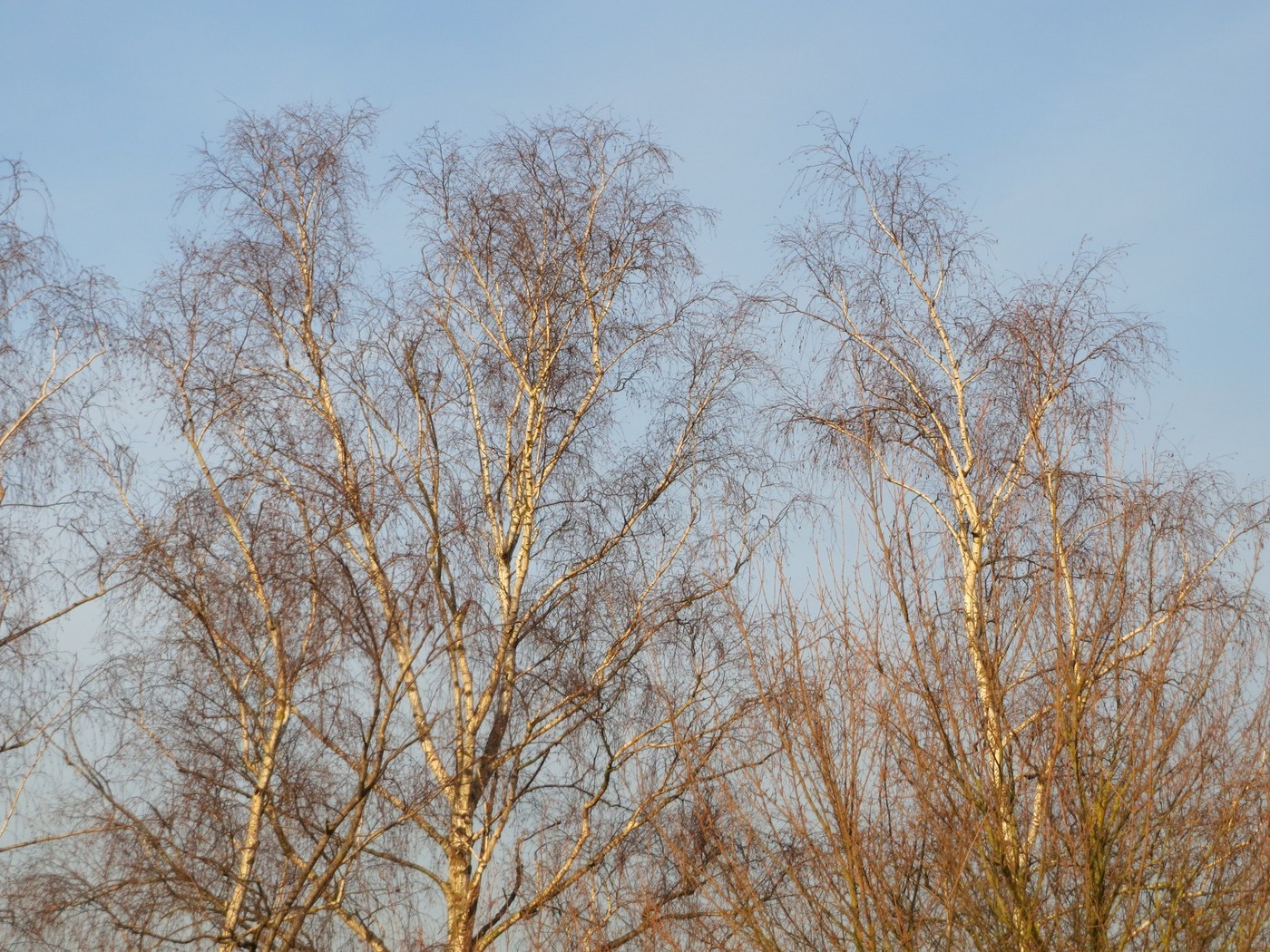
- Habit: Slender, often multi-stemmed tree, 10-35 ft (taller in the South), open and graceful.
- Flowers: 2-3 in creamy-white, cup-shaped, strongly lemon-scented, late spring through summer.
- Leaves: Elliptical, glossy green above and strikingly silvery-white beneath, flashing in the wind.
- Fruit: Small cone-like aggregate with bright red seeds in fall.
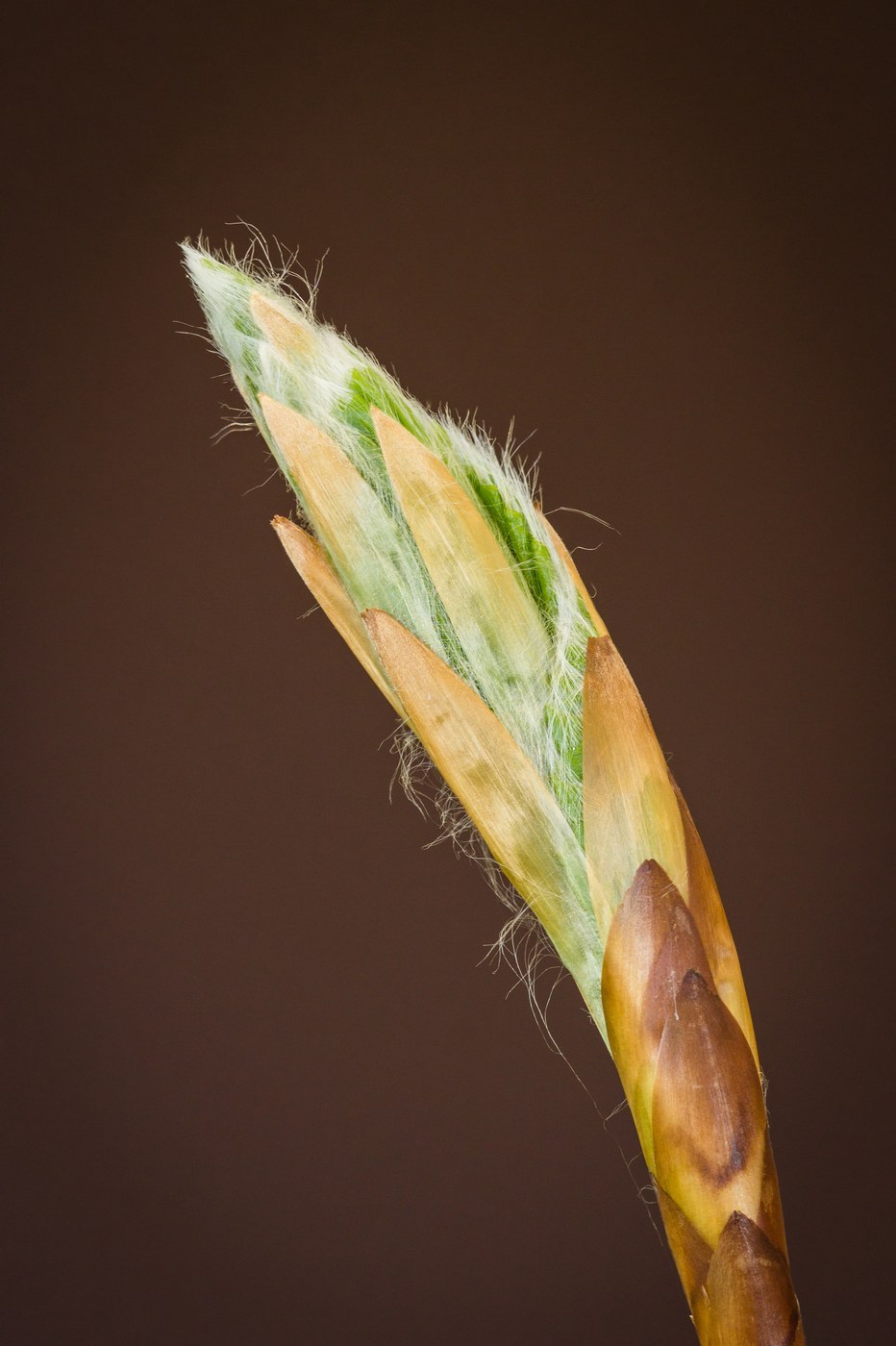
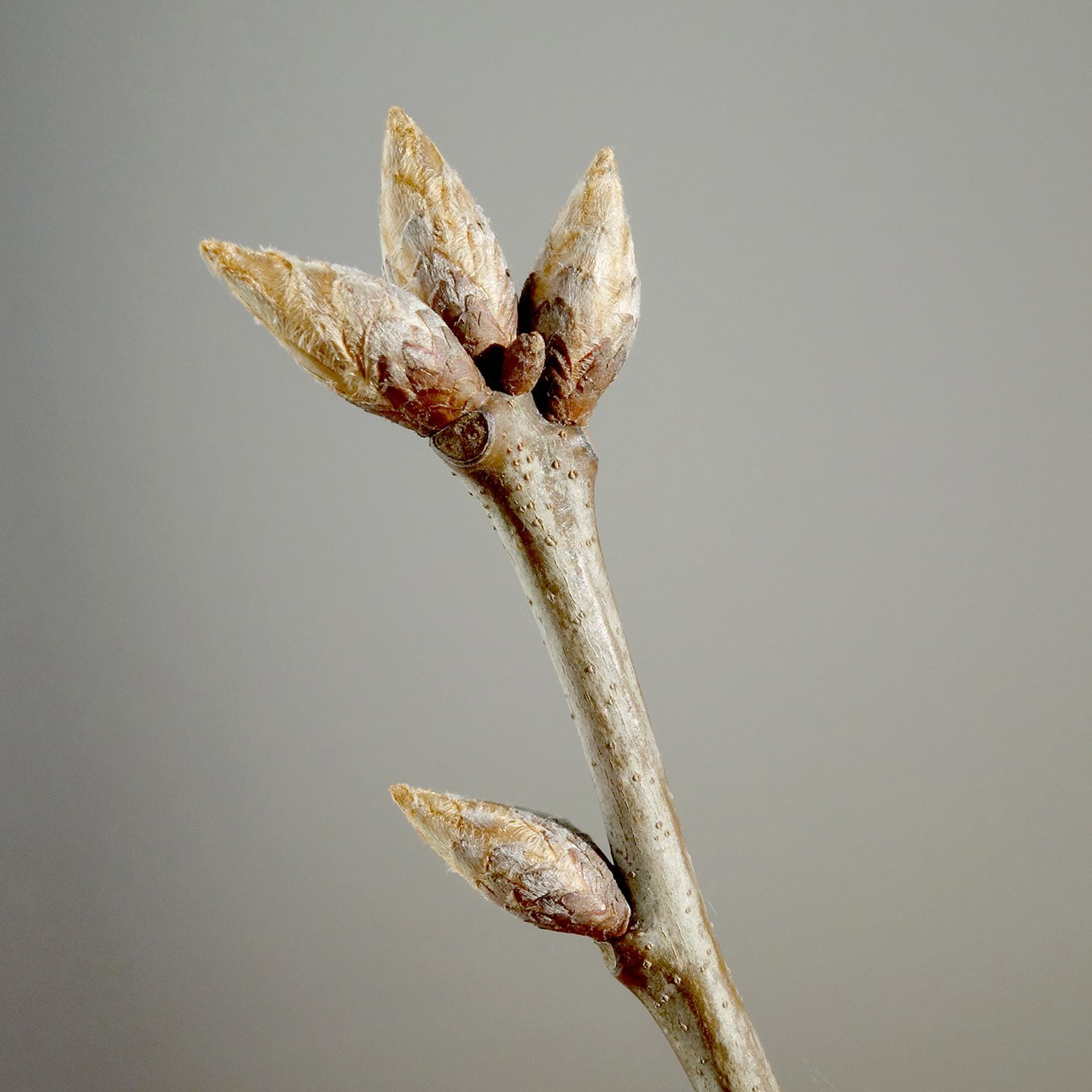
- Twigs: Aromatic when scratched; bark smooth and gray.
Care & growing
Light: Full sun to partial shade.
Water: Loves moisture; tolerates wet, boggy soil and even occasional flooding. Keep consistently moist.
Soil: Acidic, moist to wet, organic-rich soils preferred; tolerates poor drainage other magnolias can't.
Temperature: Hardy USDA zones 5-10; evergreen in the warmer end of its range.
Feeding: Light acid-forming feeding in spring; mulch well.
Pruning/Propagation: Minimal pruning needed. Propagate by seed (needs cold stratification) or cuttings.
Habitat & origin
Native to the coastal plain of the eastern United States from Massachusetts to Florida and Texas, where it grows in swamps, bogs, and moist woodland edges, often near the coast.
Its swamp habitat earns it the names swamp magnolia and white bay. It is widely planted as an ornamental and rain-garden tree across zones 5-10.
Frequently asked questions
Is sweetbay magnolia evergreen?
It depends on climate: evergreen or semi-evergreen in the South, deciduous in colder northern areas.
Can it grow in wet soil?
Yes, it is one of the few magnolias that thrives in swampy, poorly drained ground.
How does it differ from Southern magnolia?
It has smaller flowers and leaves with silvery undersides, a more open habit, and far greater wet-soil tolerance than Magnolia grandiflora.
Does it attract wildlife?
Yes. It is a butterfly host plant, and its red seeds and flowers feed birds, mammals and pollinators.
Sweetbay Magnolia guides
In-depth guides for identifying, growing, and caring for Sweetbay Magnolia.
How to Care for Sweetbay Magnolia
Grow the adaptable Sweetbay Magnolia for fragrant creamy blooms and glossy leaves in sun to part shade and moist to wet soil.
Sweetbay Magnolia Identification Guide
Recognize Magnolia virginiana by its lemon-scented creamy white summer flowers, leaves that are silvery-white underneath, and its love of wet, swampy ground.