
Sweetshrub Identification Guide
How to identify Carolina sweetshrub (Calycanthus floridus), recognized by its aromatic bark and fragrant maroon flowers.
Read the full Sweetshrub encyclopedia entry →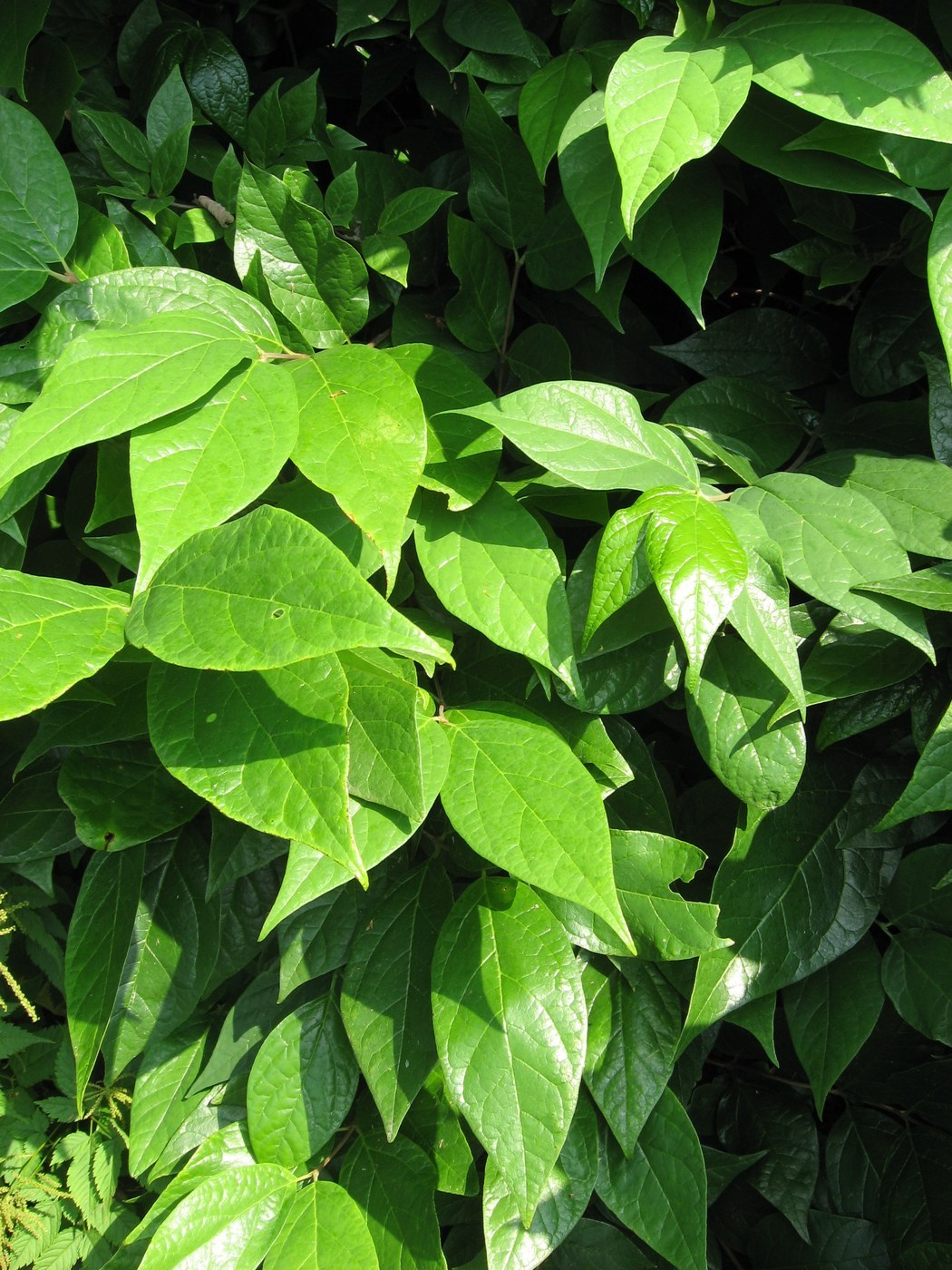
Key Identifying Features
Sweetshrub (Calycanthus floridus), also called Carolina allspice or strawberry shrub, is a deciduous native shrub of the southeastern U.S. The standout features are its fragrant, dark red-brown flowers with strap-like petals and the spicy, fruity aroma released when you crush a leaf, twig, or scrape the bark.
- Rounded, multi-stemmed shrub, 6-10 ft tall and wide
- Opposite branching (paired leaves and buds)
- Aromatic bark and crushed foliage smelling of camphor, clove, or ripe fruit
Leaves & Stems
Leaves are opposite, simple, oval to elliptic, 2-5 inches long, with smooth (entire) margins and a pointed tip. The upper surface is medium to dark green and slightly rough; the underside is paler and may be softly hairy. Crushed leaves are aromatic. Fall color is a clear golden yellow. Twigs are brownish and, like the leaves, release a spicy fragrance when scratched. The opposite leaf arrangement plus aromatic tissue is a strong combined clue.
Flowers & Fruit
The flowers are unmistakable: 1.5-2 inches across, made of numerous strap-shaped, waxy maroon to red-brown petals (tepals) arranged in a spiral, opening late spring into summer. They emit a fruity scent often compared to strawberries, melon, or pineapple, strongest on warm days, though fragrance varies plant to plant. The fruit is an urn- or fig-shaped leathery brown capsule about 1-1.5 inches long that persists into winter, holding bean-like seeds.
How to Tell It Apart from Look-Alikes
- Spicebush (Lindera benzoin): also aromatic, but has alternate leaves and tiny yellow spring flowers; sweetshrub has opposite leaves and maroon flowers.
- Pawpaw (Asimina triloba): has maroon flowers too, but leaves are large, alternate, and droop; sweetshrub leaves are opposite and smaller.
- California sweetshrub (Calycanthus occidentalis): similar flowers but larger, lighter red, less fragrant, native to the West Coast.
Where You'll Find It
Native to moist woodlands, streambanks, and forest edges of the southeastern and Appalachian U.S., sweetshrub grows in part shade to sun. It is also widely planted as a fragrant ornamental in eastern gardens. Look for it in rich, well-drained soils along trails and shaded slopes.
Quick ID Checklist
- Opposite, smooth-edged oval leaves
- Spicy/fruity aroma when bark or leaf is crushed
- Dark maroon flowers with many strap-like petals
- Leathery, urn-shaped brown seed capsules persisting into winter
- Rounded shrub in moist eastern woods or gardens
Frequently asked questions
Why is it called sweetshrub?
The crushed bark, leaves, and especially the maroon flowers release a sweet, spicy-fruity fragrance often likened to strawberries, melon, or allspice, which gives the plant its common names sweetshrub and Carolina allspice.
How can I be sure it isn't spicebush?
Both are aromatic, but sweetshrub has opposite leaves and dark maroon strap-petaled flowers, while spicebush has alternate leaves and clusters of tiny yellow flowers before the leaves emerge.
Are the flowers always fragrant?
Fragrance varies considerably from plant to plant and is strongest on warm, sunny days. Some seedlings are nearly scentless, which is why named fragrant cultivars are sold.
What does the fruit look like?
It forms a leathery, urn- or fig-shaped brown capsule about an inch long that hangs on the shrub into winter and contains several large bean-like seeds.