Sweetshrub
Calycanthus floridus
Sweetshrub is a deciduous native shrub of the southeastern U.S. known for its unusual maroon-brown flowers that release a fruity fragrance reminiscent of strawberries, banana or spice. Its aromatic bark and foliage add to the appeal.
- Light
- Full sun to part shade
- Water
- Moderate; keep evenly moist
- Difficulty
- Easy
Got a plant like this?
Identify any plant from a photo, free.
Overview
Sweetshrub (Calycanthus floridus), also called Carolina allspice, is a rounded deciduous shrub native to the woodlands of the southeastern United States. It is grown chiefly for its remarkable flowers, whose many strap-like reddish-brown petals open in late spring and emit a sweet, fruity scent that varies noticeably from plant to plant.
Nearly every part of the shrub is aromatic. The bark, leaves and crushed wood give off a spicy, camphor-like fragrance.
Adaptable, deer-resistant and largely pest-free, it is a dependable choice for shrub borders and woodland gardens.
How to identify it
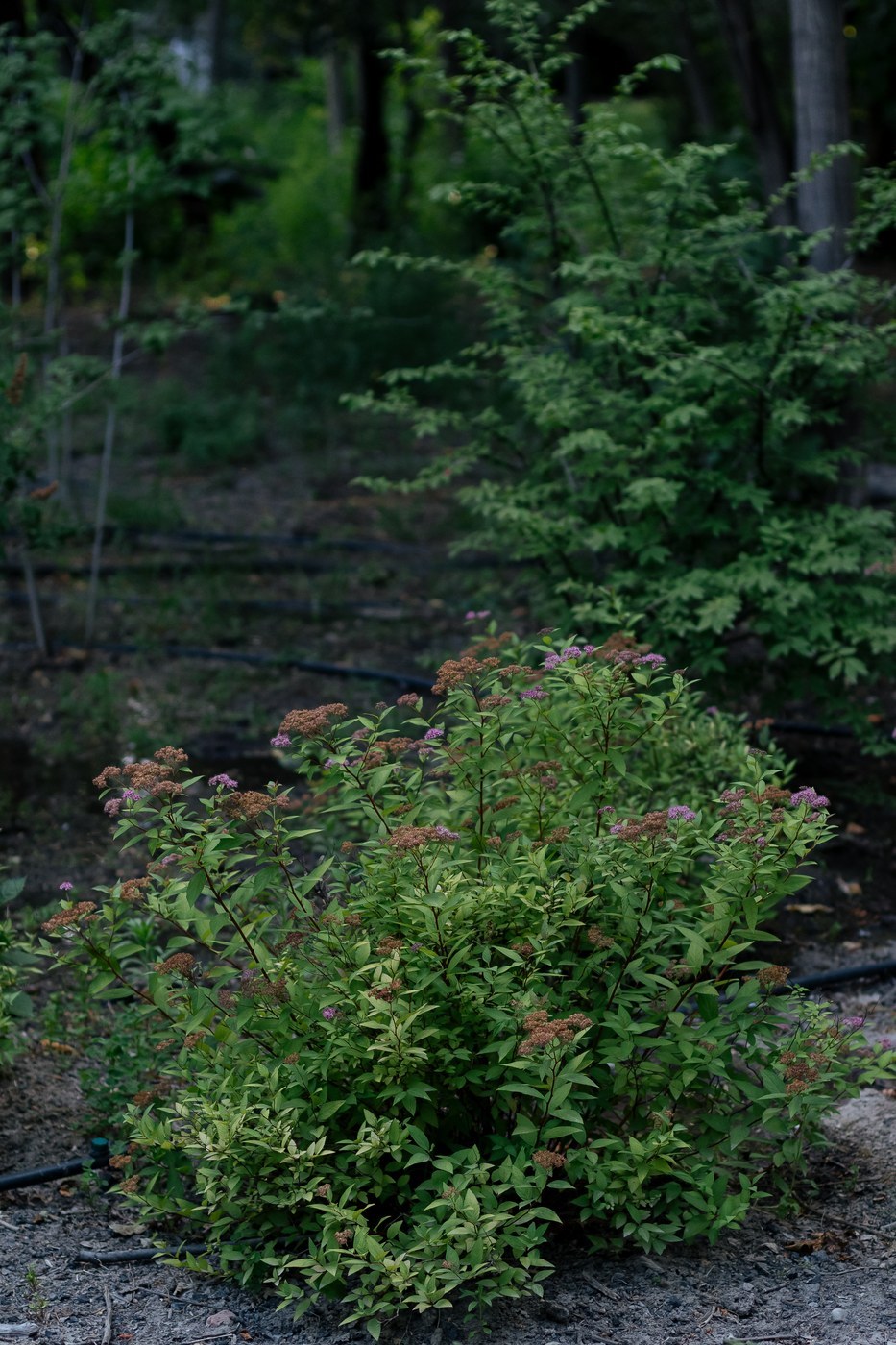
A dense, rounded, suckering shrub typically 6-9 ft tall and wide.
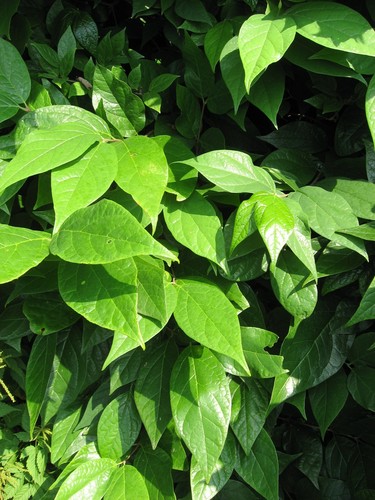
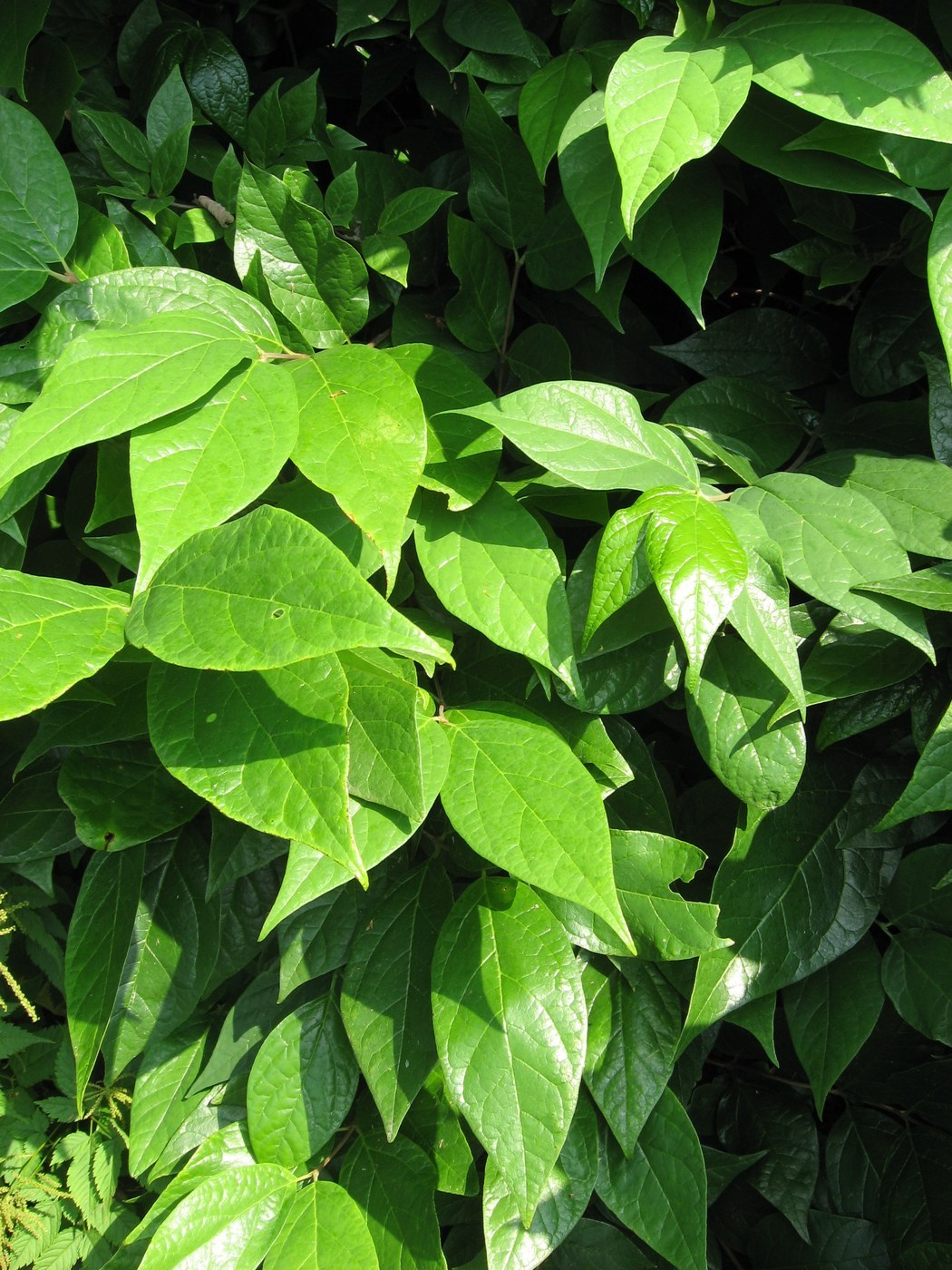
- Leaves: opposite, oval to elliptic, 2-5 in long, dark glossy green above and paler below, aromatic when crushed; clear yellow in fall
- Flowers: unusual, 2 in across, with numerous strap-shaped petal-like segments in dark reddish-brown to maroon; sweetly fruity-fragrant; bloom mainly late spring with scattered later flowers
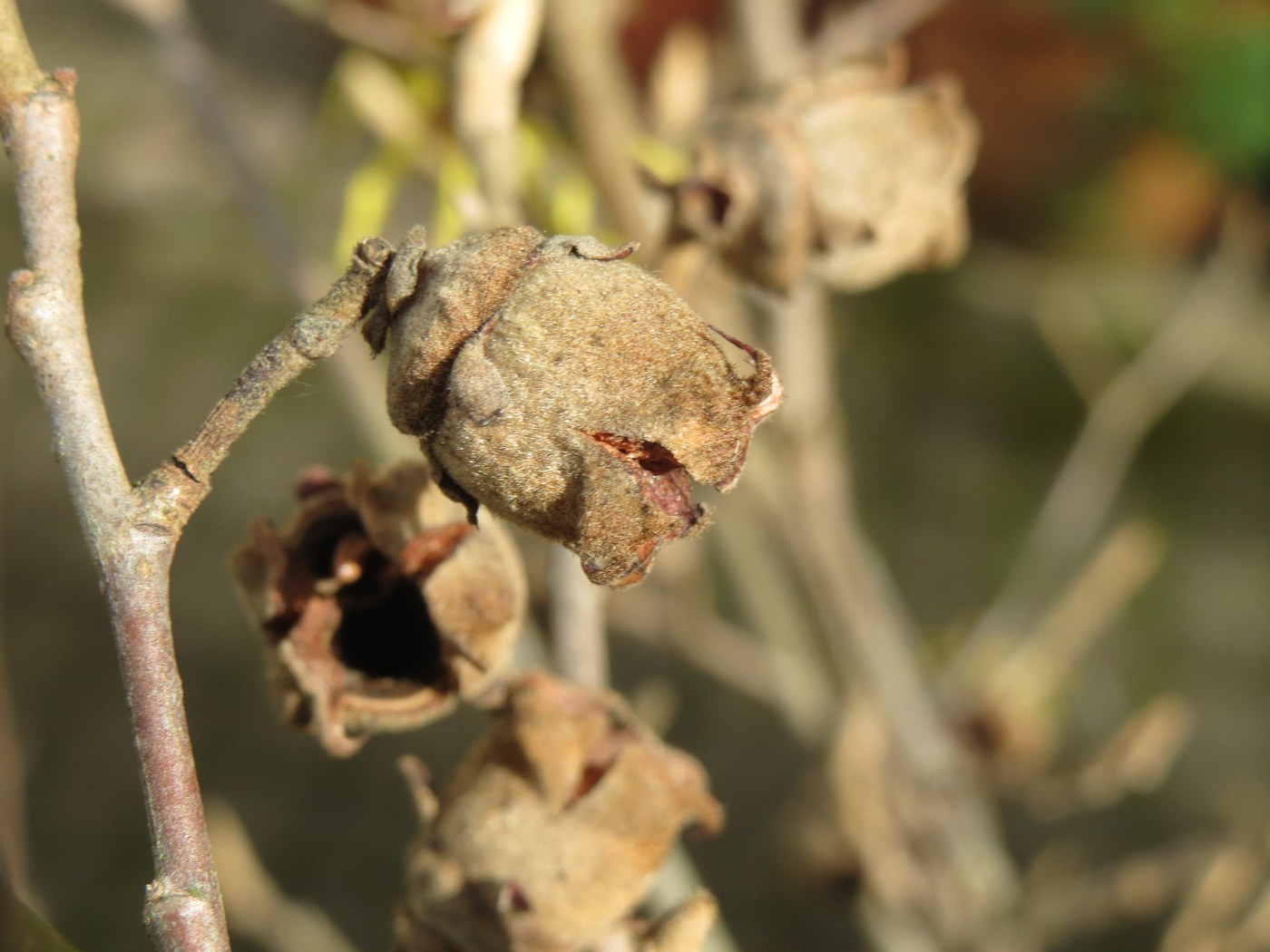
- Fruit: a leathery, urn-shaped brownish capsule that persists into winter
- Bark/stems: aromatic, spicy-scented when scratched
- Habit: broad, mounded, often suckering into a colony
Care & growing
Easy-going and tolerant of a range of conditions.
- Light: Full sun to part shade; richer fragrance and denser form in more sun, looser habit in shade
- Water: Prefers consistently moist soil; tolerates occasional wet spots
- Soil: Adaptable; best in deep, fertile, well-drained loam but tolerates clay
- Temperature: Hardy in USDA zones 4-9
- Feeding: Light feeding or compost in spring is sufficient
- Pruning: Prune after flowering to shape; remove suckers to control spread
- Propagation: By suckers/division, layering, or seed (fragrance variable from seed, so buy a selected fragrant clone)
Habitat & origin
Native to the southeastern United States, ranging through the Appalachian and Piedmont regions from Virginia and West Virginia south to Florida and Mississippi. In the wild it grows along streambanks, in moist woodlands and on shaded slopes.
It is widely planted across eastern North America in woodland gardens, shrub borders and naturalized areas, especially where its fragrance can be enjoyed near paths, patios and entries.
Frequently asked questions
Why doesn't my sweetshrub smell sweet?
Fragrance varies a lot between seed-grown plants. For reliable scent, buy a named, selected cultivar such as 'Athens' (yellow, very fragrant) or 'Michael Lindsey'.
What does the flower smell like?
Descriptions vary by plant, but it is often compared to ripe strawberries, melon, pineapple or banana with a spicy undertone.
Is sweetshrub deer resistant?
Yes. The aromatic foliage makes it largely unappealing to deer, which is a bonus in woodland gardens.
Can I grow it in shade?
Yes, it tolerates part shade well, though it stays denser and flowers a bit more freely with more sun.
Sweetshrub guides
In-depth guides for identifying, growing, and caring for Sweetshrub.