
How to Care for Tamarack
Grow Tamarack (Larix laricina), a deciduous conifer, in full sun and wet to moist, acidic soil; it turns brilliant gold before dropping its needles each fall.
Read the full Tamarack encyclopedia entry →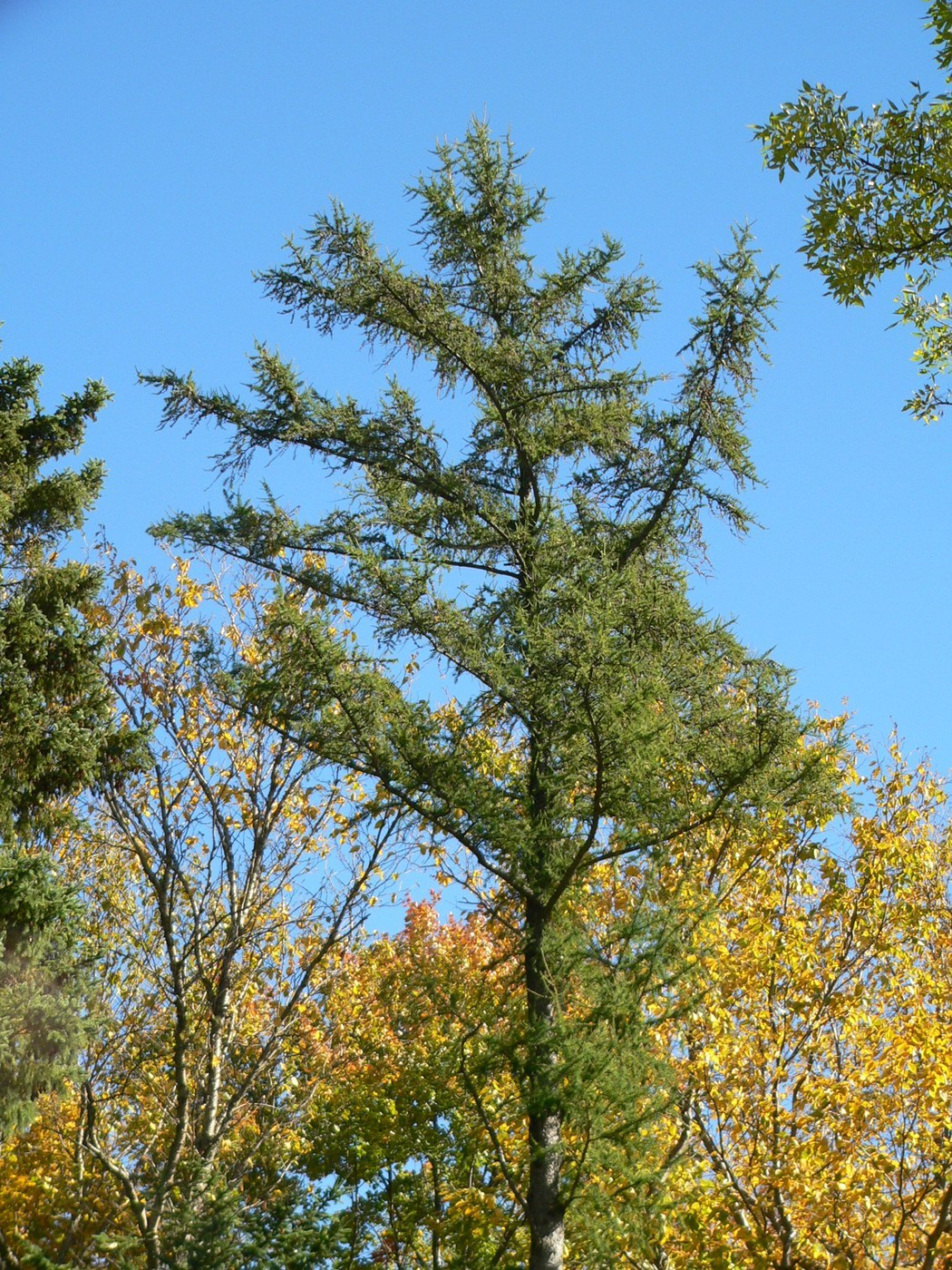
Tamarack (Larix laricina), also called American larch, is a striking deciduous conifer that produces soft, feathery needles which flush bright green in spring, turn glowing gold in autumn, and drop for winter. Uniquely tolerant of cold, wet, boggy ground, it is a hardy landscape tree for northern climates.
Light
Tamarack demands full sun. It is a pioneer species intolerant of shade, so give it an open location with unobstructed light all day. In shaded or crowded conditions it grows thin, sparse, and weak, and it will not develop the dense, symmetrical form and vivid fall color it is known for.
Water
This tree thrives in wet to consistently moist soil and tolerates conditions that would drown most trees, including bogs, swamp margins, and poorly drained low spots. Keep young trees well watered, and never let established specimens dry out for long. It is one of the few conifers that flourishes in saturated ground, though it also grows on moist upland sites.
Soil & Potting
Tamarack prefers cool, moist, acidic soils and is famously at home in peaty, sphagnum bog conditions. It tolerates nutrient-poor, waterlogged ground where other trees fail. In the landscape, plant it in moisture-retentive, acidic to neutral soil; avoid dry, alkaline, or chalky sites, which cause chlorosis and stunting.
Humidity & Temperature
A true northern tree, tamarack is exceptionally cold-hardy and needs a genuine cold winter dormancy to thrive. It struggles in hot, humid summers and warm climates, where it grows poorly. Cool temperate to subarctic conditions suit it best. Ambient humidity is not a concern as long as the roots have moisture.
Feeding
Tamarack is adapted to lean, boggy soils and rarely needs fertilizer. On very poor sites a light application of an acidifying, balanced tree fertilizer in early spring can support young trees. Avoid heavy feeding, which produces soft, weak growth. Maintaining soil acidity is more important than added nutrients.
Propagation
Tamarack is propagated primarily from seed. Collect the small cones in fall, extract the seed, and give it a period of cold, moist stratification over winter to break dormancy. Sow in spring in moist, acidic seed-starting medium and keep consistently damp. Germination can be uneven, so sow generously. Softwood cuttings are difficult and unreliable.
Repotting / Pruning
As a large landscape tree, tamarack needs minimal pruning; remove only dead, damaged, or crossing branches, ideally in late winter while dormant. It is also popular as a bonsai subject, where it is repotted every two to three years in early spring into acidic, moisture-retentive mix, with careful branch and needle pruning to build structure.
Common Problems & Pests
The larch casebearer and larch sawfly are the most damaging pests, defoliating trees in some years. Larch needle cast and other fungal diseases can affect foliage in wet seasons. Chlorosis (yellowing) usually signals soil that is too alkaline or too dry. Providing acidic, moist soil and full sun prevents most cultural problems.
Seasonal Care Tips
In spring, enjoy the soft new needle flush and keep young trees moist as they leaf out. Through summer, ensure the soil never bakes dry. Autumn brings the tree's signature gold display before all needles drop, which is completely normal and not a sign of ill health. In winter the bare, cone-studded silhouette is fully dormant and needs no attention.
Frequently asked questions
Why is my tamarack dropping all its needles?
Tamarack is a deciduous conifer, so shedding its needles in autumn after they turn gold is completely normal. Fresh soft needles will regrow the following spring.
Can tamarack grow in a wet or boggy spot?
Yes, it is one of the few conifers that thrives in wet, boggy, and poorly drained ground. It tolerates saturated, acidic, peaty soils that would kill most other trees.
Does tamarack need full sun?
Absolutely. It is highly shade-intolerant and needs full sun all day to grow dense, healthy, and develop its brilliant fall color. Shade produces thin, weak trees.
Will tamarack grow in a warm climate?
Not well. It is a cold-climate tree that requires a real cold winter dormancy and struggles in hot, humid summers. It performs best in cool temperate to subarctic regions.