Tamarack
Larix laricina
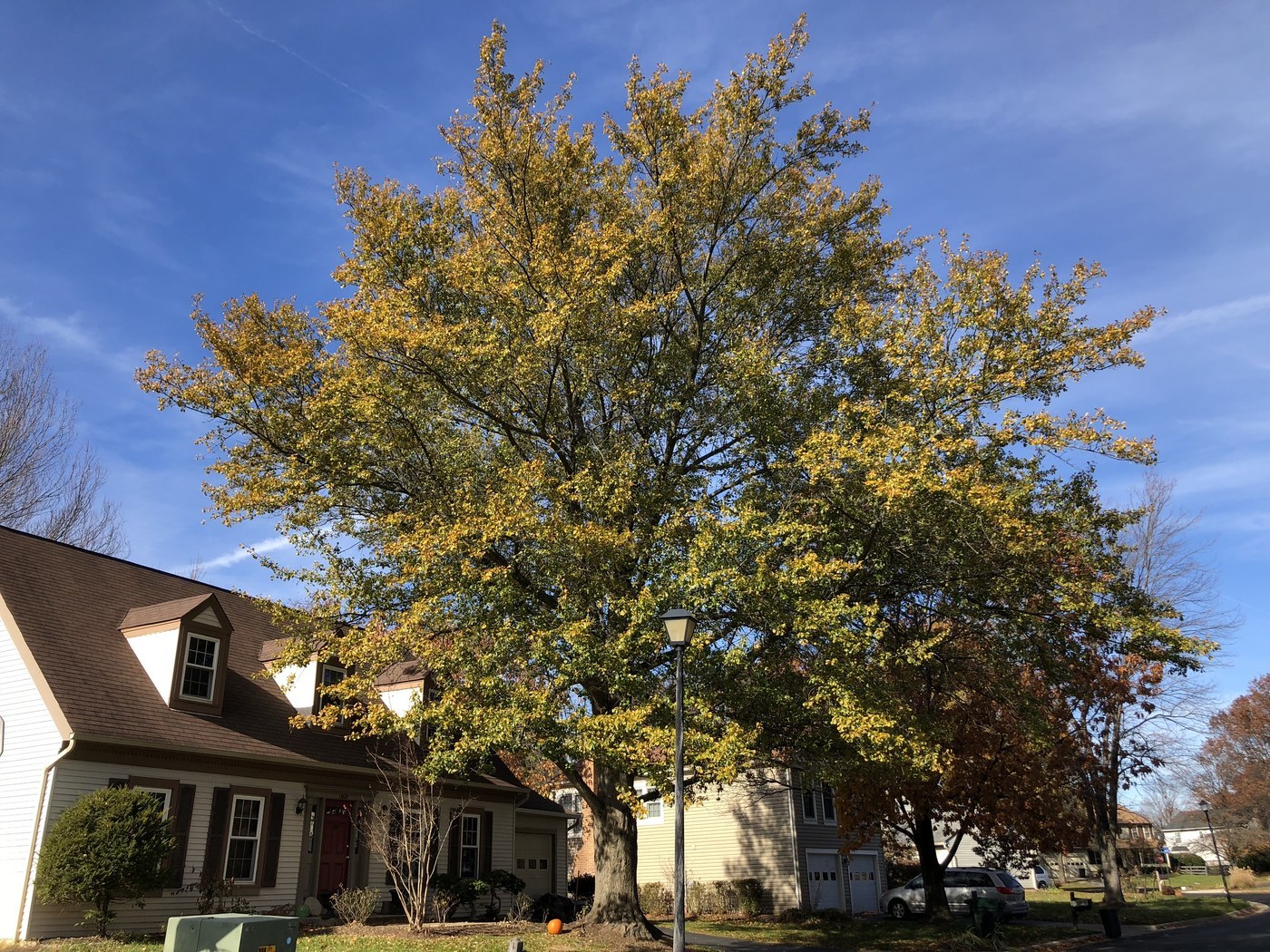
Tamarack is a hardy North American deciduous conifer of cold bogs and wetlands, turning glowing gold each autumn before shedding its soft needles. It is one of the most cold-tolerant trees in North America.
- Light
- Full sun
- Water
- Wet to moist soil; bog-tolerant
- Difficulty
- Moderate
Got a plant like this?
Identify any plant from a photo, free.
Overview
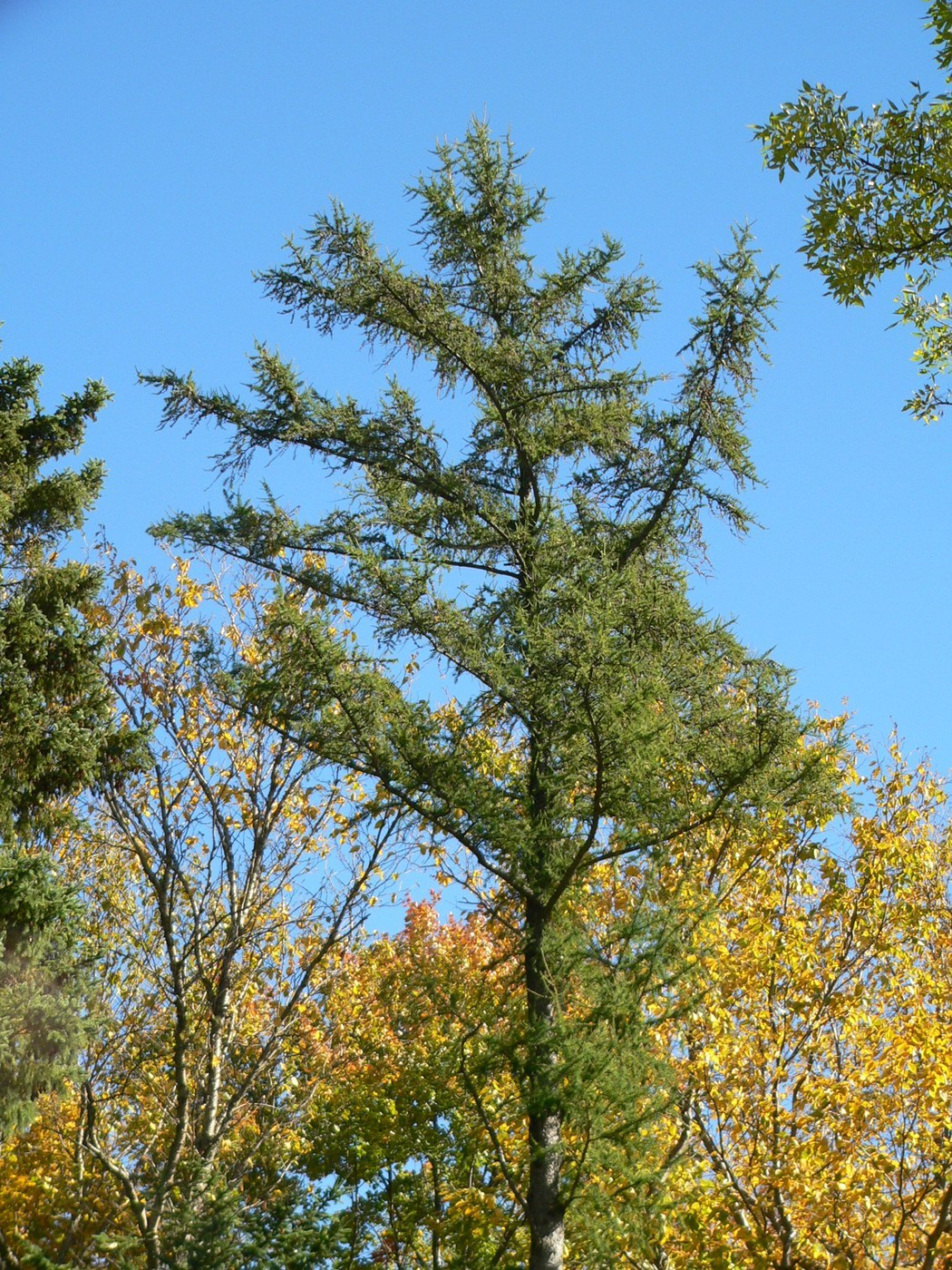
Tamarack (Larix laricina), also called eastern or American larch, is a deciduous conifer native to the cold northern forests and bogs of North America. Like other larches it drops its needles each fall after turning a vivid yellow-gold.
It is remarkably tolerant of waterlogged, acidic, nutrient-poor bog soils and brutal cold, and is a characteristic tree of the boreal wetland landscape.
How to identify it
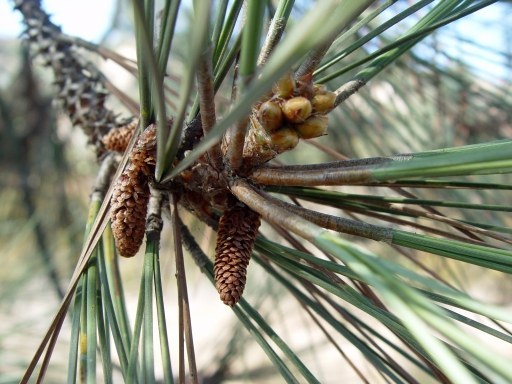
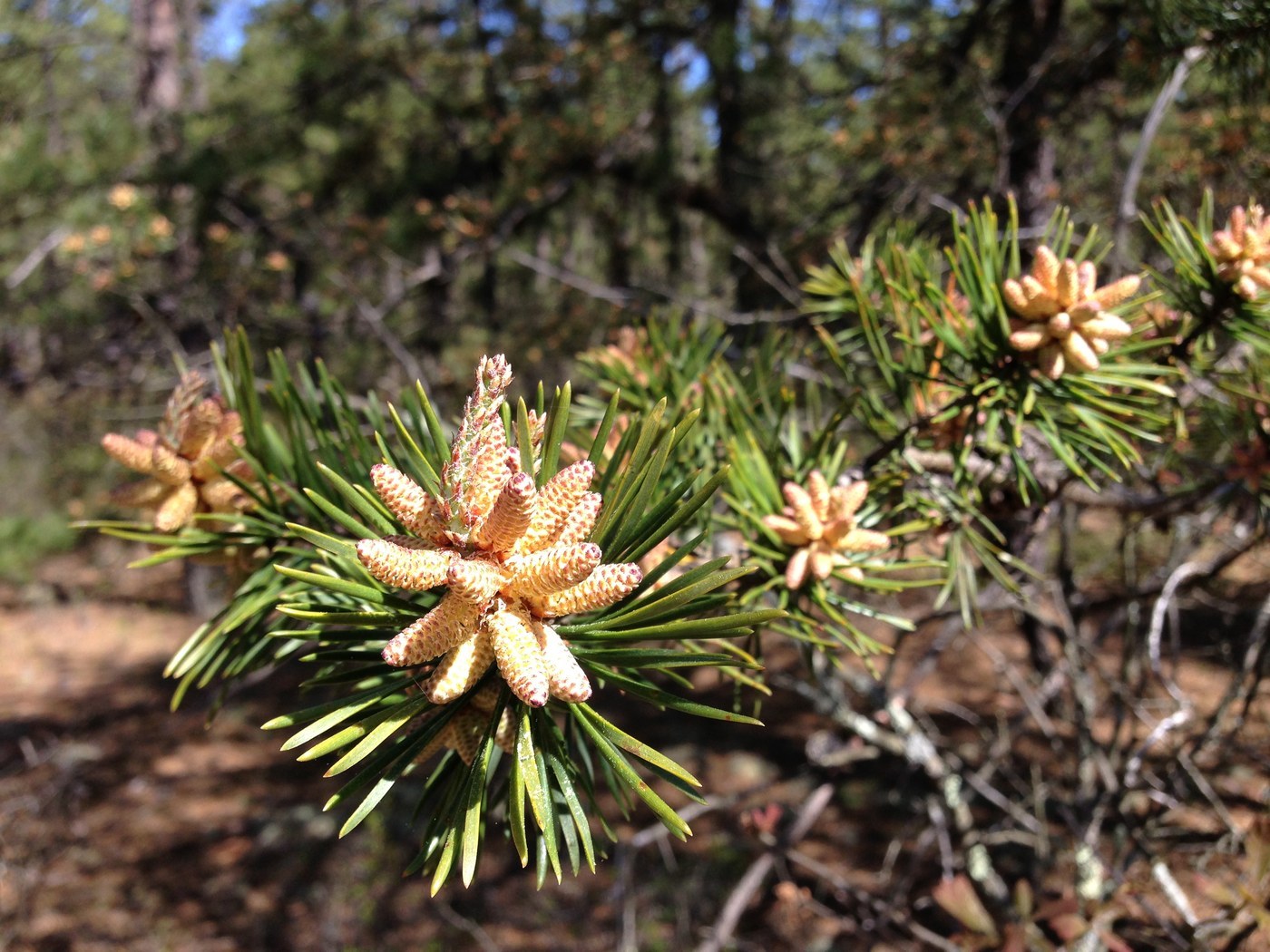
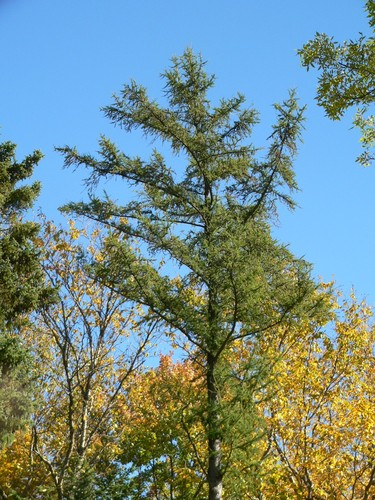
- Needles: Soft, slender, 1-2 cm, light blue-green, in tufts of 10-20 on short spur shoots; deciduous, turning gold in autumn
- Cones: Small rounded upright cones, 1-2 cm, with few scales, reddish when young
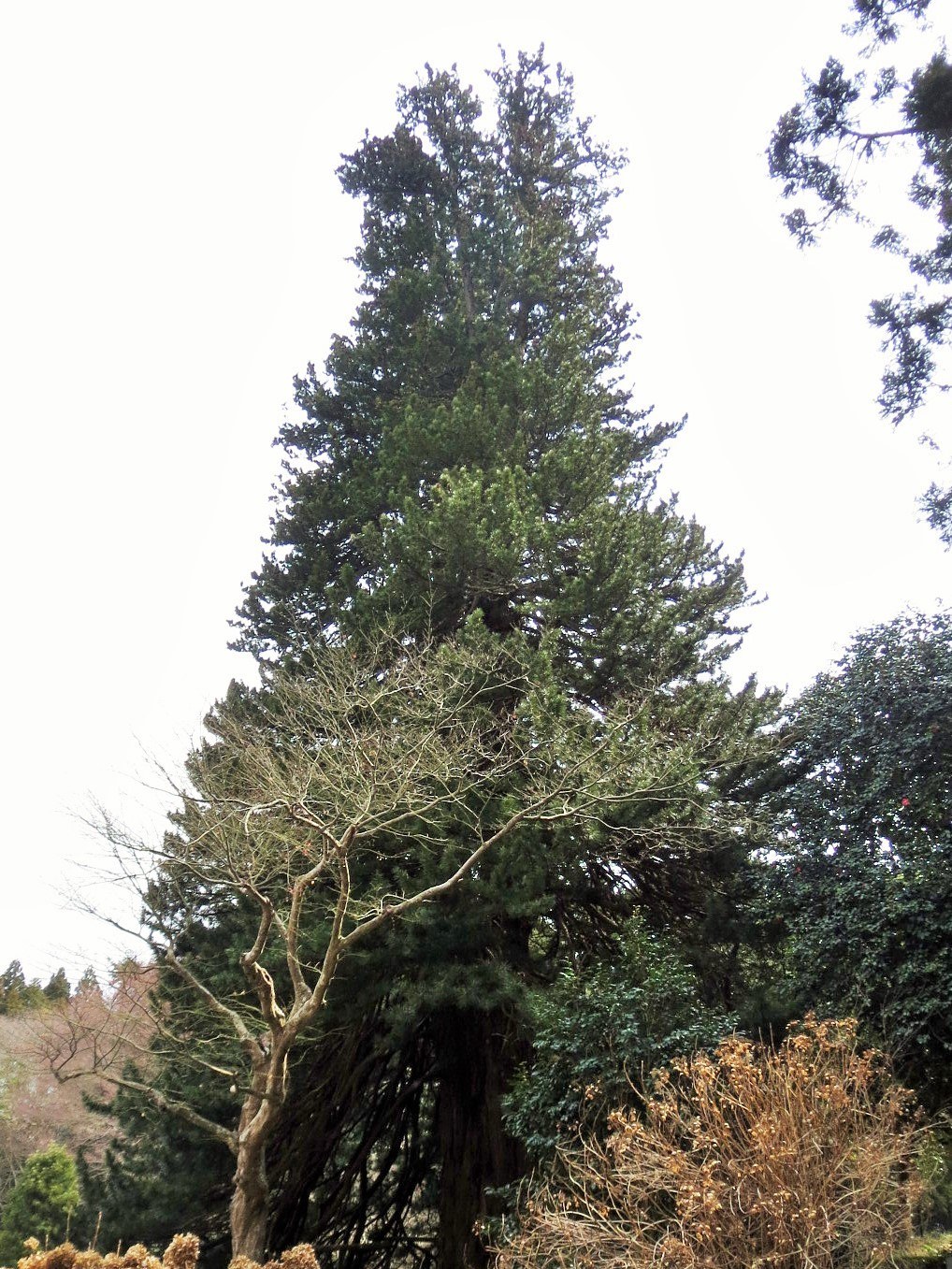
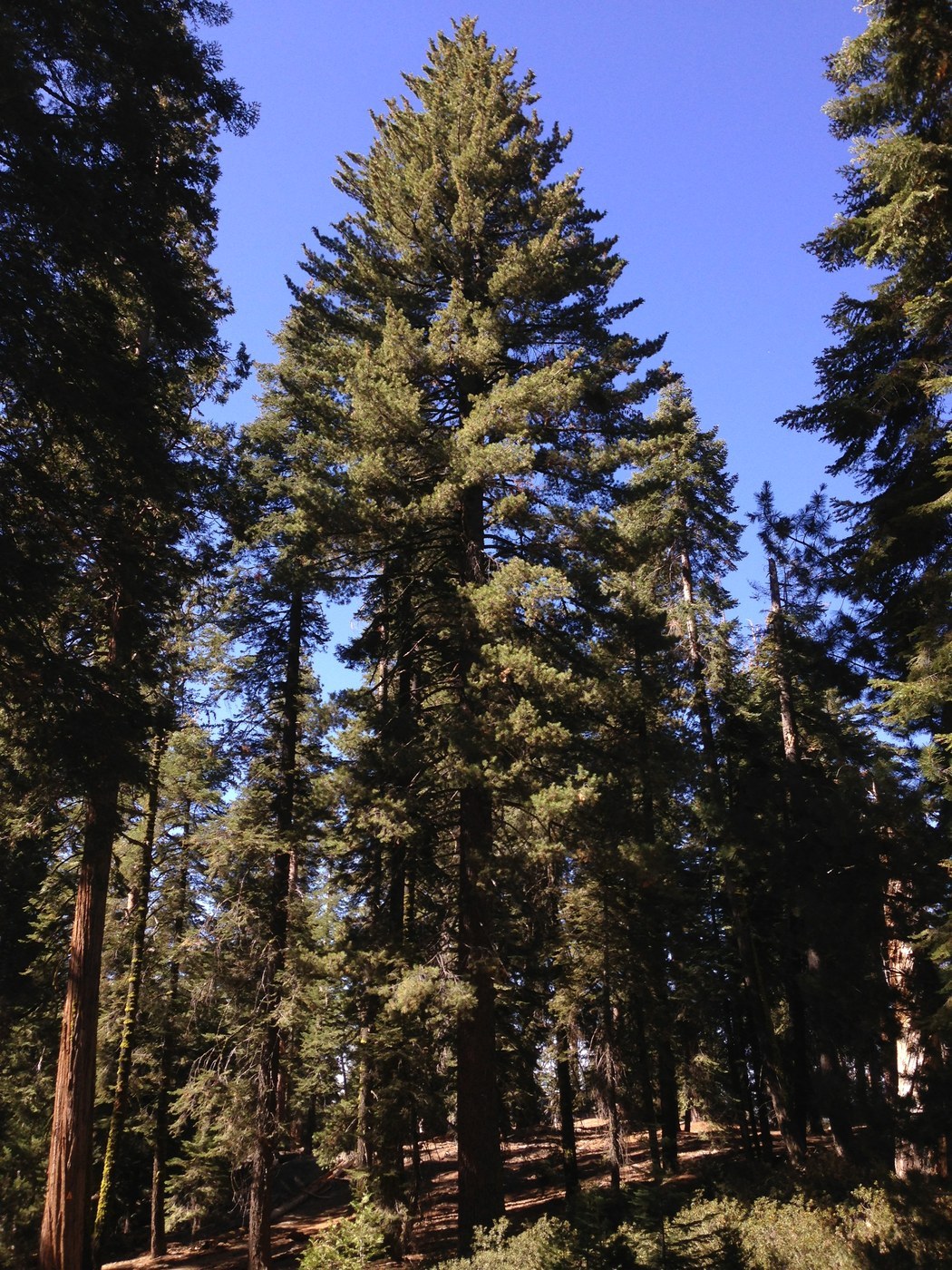
- Habit: Narrow, open, conical crown; typically 10-20 m tall
- Bark: Thin, scaly, reddish-brown
- Its small cones, soft tufted needles, and frequent presence in bogs help identify it
Care & growing
Light: Full sun; very shade-intolerant.
Water: Thrives in wet to moist soils and tolerates standing water and bogs better than almost any other conifer; also grows on drier upland sites.
Soil: Prefers cold, acidic, peaty, poorly drained ground.
Temperature: Extremely cold-hardy (USDA zone 2); needs a cold dormancy and does poorly in hot climates.
Feeding: Not required.
Propagation: From seed; naturally regenerates readily on open wet ground.
Habitat & origin
Native across northern North America from Alaska and the Yukon east through Canada to Newfoundland and south into the northern United States (Great Lakes, New England). It is a defining tree of muskeg, sphagnum bogs, and swamps, but also grows on moist uplands.
It forms pure stands in wetlands and mixes with black spruce in the boreal forest.
Frequently asked questions
Does Tamarack lose its needles?
Yes. It is a deciduous conifer that turns golden and drops all its needles each autumn, regrowing them in spring.
Can Tamarack grow in wet soil?
Yes, exceptionally well. It is one of the few trees that thrives in cold acidic bogs and tolerates standing water.
What does the name hackmatack mean?
Hackmatack is an Algonquian-derived name for tamarack, especially referring to its naturally curved roots once used as boatbuilding knees.
How cold-hardy is it?
Among the hardiest trees in North America, surviving extreme boreal and subarctic winters in USDA zone 2.
Tamarack guides
In-depth guides for identifying, growing, and caring for Tamarack.
How to Care for Tamarack
Grow Tamarack (Larix laricina), a deciduous conifer, in full sun and wet to moist, acidic soil; it turns brilliant gold before dropping its needles each fall.
Tamarack Identification Guide
How to identify tamarack / eastern larch (Larix laricina) by its deciduous soft needle tufts, tiny rounded cones, and boreal bog habitat. Covers needles, cones, bark, and look-alikes.