How to Care for Tamarind Tree
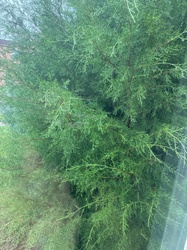
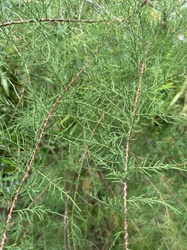
Grow the Tamarind Tree (Tamarindus indica), a stately tropical evergreen with fine feathery foliage, a broad canopy, and heat-loving toughness.
Read the full Tamarind Tree encyclopedia entry →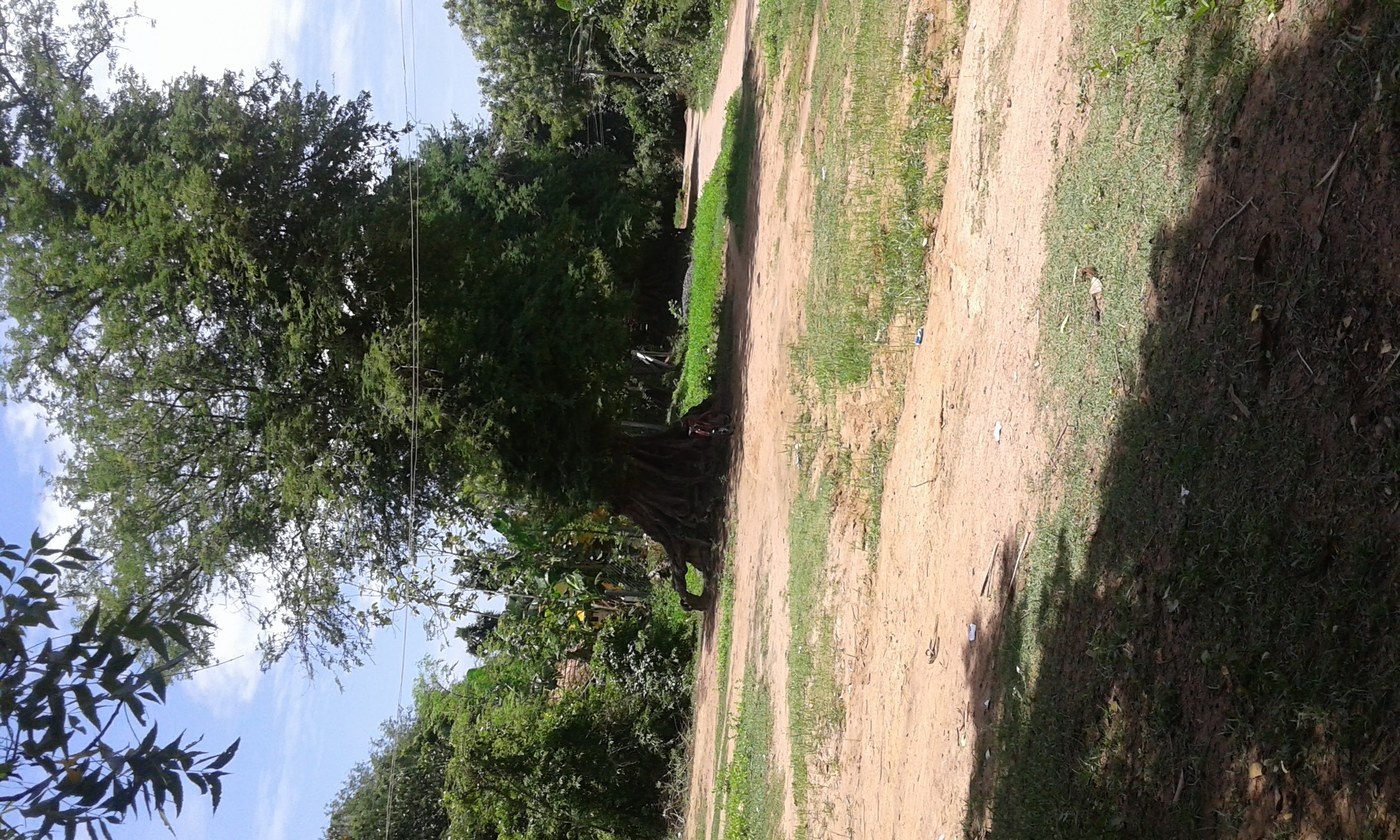
The Tamarind Tree (Tamarindus indica) is a stately, slow-growing tropical evergreen prized ornamentally for its dense, spreading canopy of fine, feathery compound leaves and its handsome gnarled trunk. Long-lived and heat-loving, it makes a magnificent shade specimen in warm climates and an attractive container or bonsai subject elsewhere, earning a moderate difficulty rating mostly due to its need for warmth.
Light
Tamarind demands full sun for strong, dense growth and a well-formed canopy. It is a true sun-lover and grows poorly in shade, becoming sparse and weak. Indoors or in a greenhouse, place it in the brightest possible spot, ideally a south-facing window or under grow lights, to keep the delicate foliage full and healthy.
Water
Water young trees regularly to establish deep roots, but once mature the Tamarind is notably drought-tolerant, drawing on deep roots to survive dry spells. Let the soil dry somewhat between waterings and avoid constant saturation, which the tree dislikes. Container specimens need more frequent watering than those in the ground; water thoroughly, then allow the top of the mix to dry before watering again.
Soil & Potting
Tamarind adapts to a wide range of soils, from sandy to loamy to clay, provided drainage is good; it tolerates poor and even somewhat saline ground. A deep, well-drained soil gives the taproot room to develop. In containers, use a free-draining, loam-based mix with added grit or sand, in a deep pot to accommodate the strong root system. Good drainage is essential to prevent root rot.
Humidity & Temperature
A tropical and subtropical tree, Tamarind thrives in consistent heat and is frost-sensitive, especially when young; even a light frost can damage or kill young trees. It grows best where temperatures stay warm year-round and tolerates high heat and drought with ease. In cooler regions it must be grown in a container and moved to a warm, bright, frost-free space over winter. It appreciates moderate humidity but tolerates dry air.
Feeding
Feed young, actively growing trees with a balanced fertilizer during the warm growing season to support steady development, as growth is naturally slow. Mature landscape trees need little supplemental feeding in reasonable soil. Container plants benefit from a slow-release feed in spring and occasional dilute liquid feeding through summer. Reduce or stop feeding in the cooler, low-light months when growth pauses.
Propagation
Tamarind is most commonly grown from seed, which germinates readily when fresh; soaking or lightly scarifying the hard seed coat speeds germination in warm, moist conditions. Seedlings grow slowly at first. It can also be propagated by air layering, cuttings, or grafting to reproduce selected forms. Its tolerance of pruning and slow growth make it a popular subject for bonsai raised from seed.
Repotting / Pruning
Repot container trees every two to three years in spring as they outgrow their pots, moving up gradually and refreshing the mix. Prune to shape and to establish a strong framework while young; remove dead, crossing, or weak branches. The tree responds well to pruning, which is why it is favored for bonsai. Mature landscape trees need only occasional thinning to maintain a balanced, open canopy.
Common Problems & Pests
Tamarind is generally hardy and pest-resistant. Under stress or in enclosed conditions, watch for scale insects, mealybugs, and spider mites, particularly on indoor or greenhouse plants; treat with horticultural soap or oil. Overwatering and poor drainage lead to root rot, the most serious risk. Cold exposure causes leaf drop and dieback. Sooty mould may follow sap-sucking pests and clears once the pests are controlled.
Seasonal Care Tips
Plant or repot in spring as warmth returns and the tree enters active growth. Water and feed through the warm months to support its slow but steady development, and prune to shape while young. In autumn, reduce watering and feeding as growth slows. Crucially, protect the tree from any frost: bring container specimens into a bright, warm, frost-free space for winter and keep them on the dry side until spring.
Frequently asked questions
Can I grow a Tamarind Tree in a cold climate?
Only in a container that can be moved indoors. Tamarind is frost-sensitive, so in cool regions grow it in a pot and overwinter it in a bright, warm, frost-free space, keeping it on the dry side.
How fast does a Tamarind Tree grow?
It is a slow grower, especially in its early years and in containers. Steady warmth, full sun, and regular feeding of young trees help it develop at its best pace.
Does Tamarind make a good bonsai?
Yes. Its fine feathery foliage, slow growth, and tolerance of pruning make it a popular bonsai subject, often started from seed and trained over several years.
Why are the leaves dropping?
Leaf drop is usually caused by cold exposure, drought stress, or overwatering. Keep the tree warm and frost-free, ensure good drainage, and water only when the soil has begun to dry.
Tamarind Tree identified by the community
Recent Tamarind Tree specimens identified with Plant Identifier.