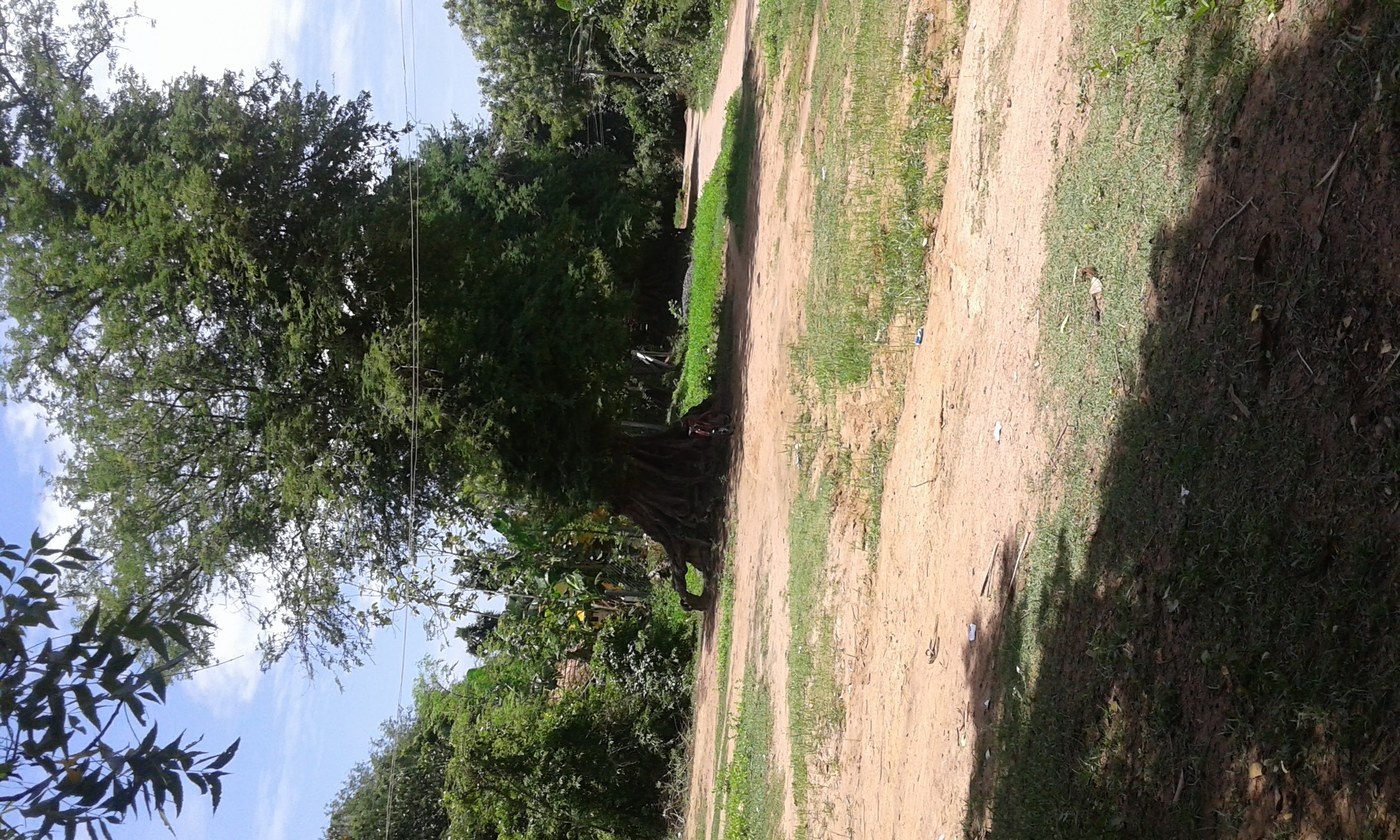
Tamarind Tree
Tamarindus indica
The tamarind is a large, long-lived tropical fruiting tree in the legume family, producing brown seed pods. It is heat- and drought-tolerant but frost-sensitive.
- Light
- Full sun
- Water
- Drought-tolerant once established
- Difficulty
- Moderate
Got a plant like this?
Identify any plant from a photo, free.
Overview
The tamarind (Tamarindus indica) is a large, slow-growing evergreen tree in the legume family, a fruiting tropical tree known for the brown seed pods it produces.
Tamarind trees are long-lived (often more than a century), develop massive spreading canopies, and provide dense shade. They tolerate heat, drought, and wind, but young trees are sensitive to cold.
The tree also yields durable timber and is valued as both an economic and ornamental landscape tree in the tropics.
How to identify it
- Pods: Brown, knobby, curved, 3–8 in long; brittle shell over sticky brown pulp and hard seeds
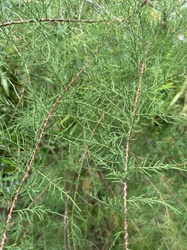
- Leaves: Feathery, pinnately compound with many small paired leaflets that fold at night
- Flowers: Small, pale yellow with red or orange veining, in loose clusters
- Bark: Rough, grayish-brown, fissured
- Size: Up to 40–80 ft tall with a broad, dense, rounded crown
Care & growing
Light: Full sun is needed for vigorous growth and fruiting.
Water: Drought-tolerant once established; young trees need regular watering, but mature trees handle dry spells well.
Soil: Adaptable to many soils including poor and sandy ones, provided drainage is good; tolerates some salinity.
Temperature: Thrives in hot tropical and subtropical climates (USDA zones 10–11); mature trees tolerate brief cool periods but young trees are frost-tender.
Feeding: Light feeding when young; established trees need little fertilizer.
Propagation: Grown from seed (easy but slow to fruit, 7+ years) or grafted/budded for earlier, predictable fruiting.
Habitat & origin
Tamarind is believed to be native to tropical Africa but has been cultivated for so long in South Asia that it is often associated with India, reflected in the name 'Indian date'. It is now naturalized and grown throughout the global tropics.
It grows in dry to semi-humid tropical lowlands and is widely planted as a shade tree, roadside tree, and orchard crop across India, Southeast Asia, Mexico, the Caribbean, and Africa.
Frequently asked questions
How long does a tamarind tree take to fruit?
Seedling trees can take 7–10 years or more to bear, while grafted trees may fruit within 3–4 years. The trees are long-lived and very productive once mature.
Can tamarind grow in containers?
Young plants and dwarf forms can be container-grown and even bonsai-trained, but full-size trees become far too large for permanent pot culture.
Does tamarind tolerate cold?
Mature trees survive brief light cold, but young trees are damaged by frost. It is best grown in frost-free tropical or subtropical climates.
Tamarind Tree guides
In-depth guides for identifying, growing, and caring for Tamarind Tree.
How to Care for Tamarind Tree
Grow the Tamarind Tree (Tamarindus indica), a stately tropical evergreen with fine feathery foliage, a broad canopy, and heat-loving toughness.
Tamarind Tree Identification Guide
Recognizing the tamarind tree by its feathery compound leaves and brown, knobby seed pods filled with sticky sour-sweet pulp.
Tamarind Tree identified by the community
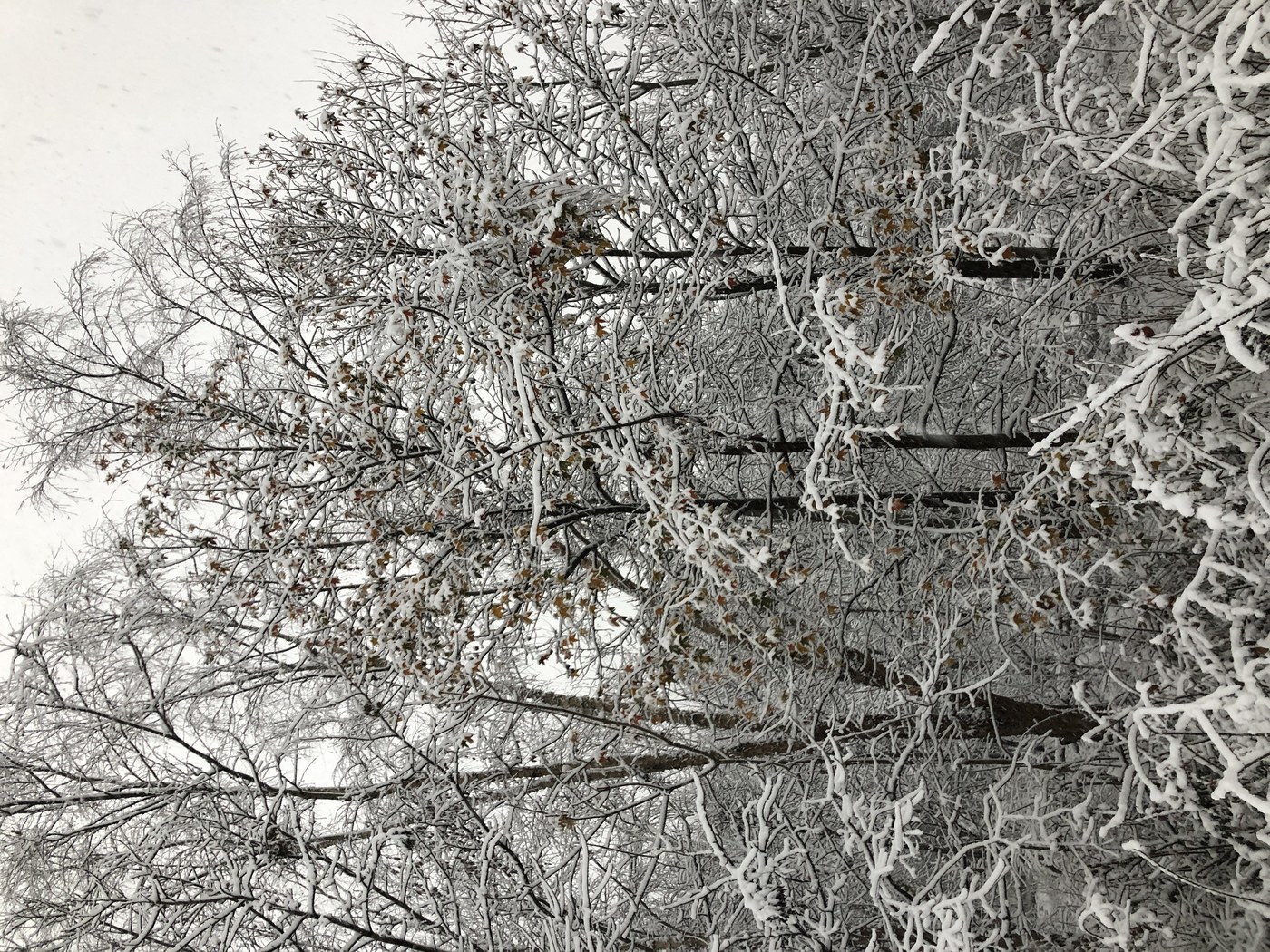
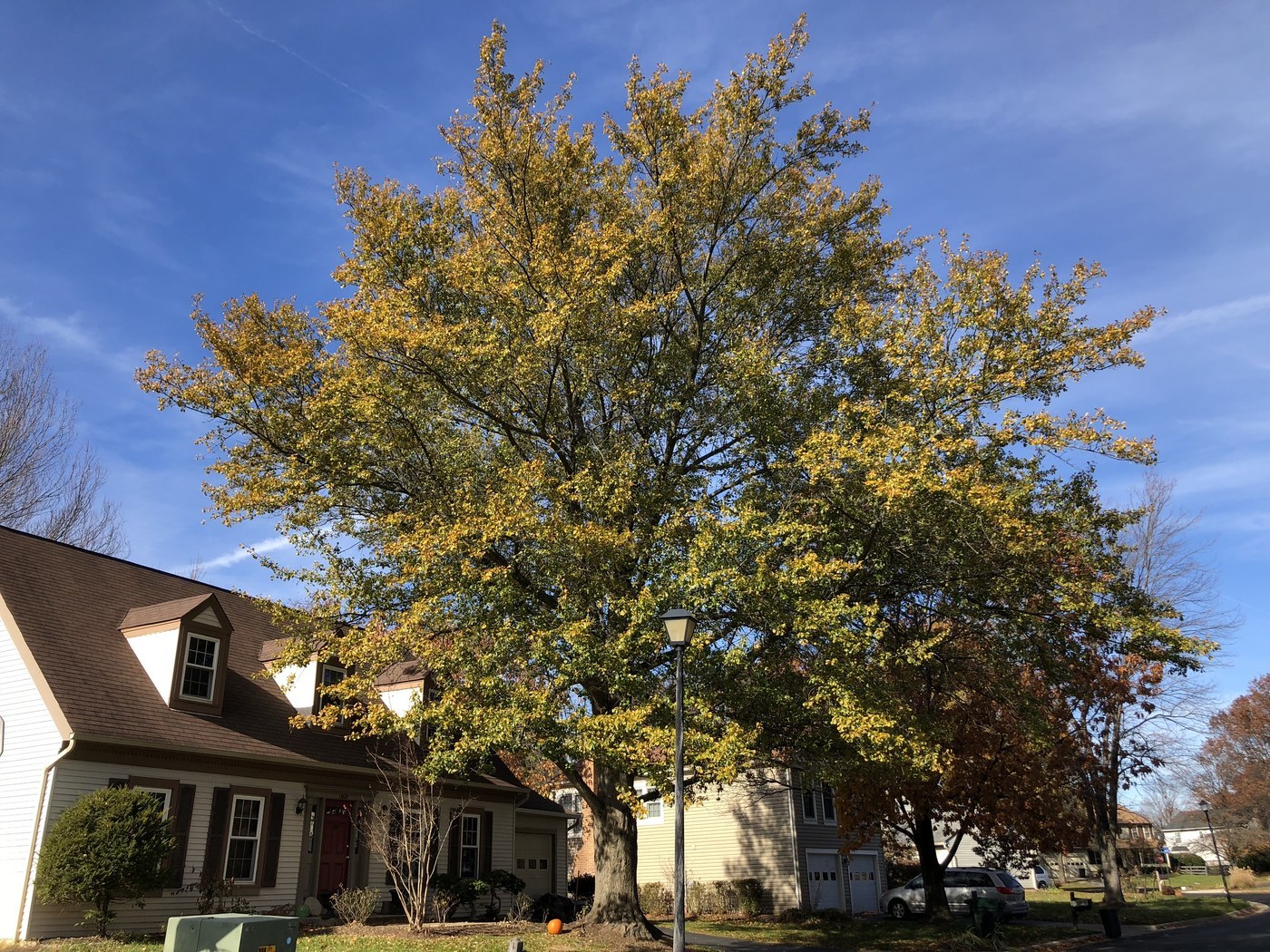
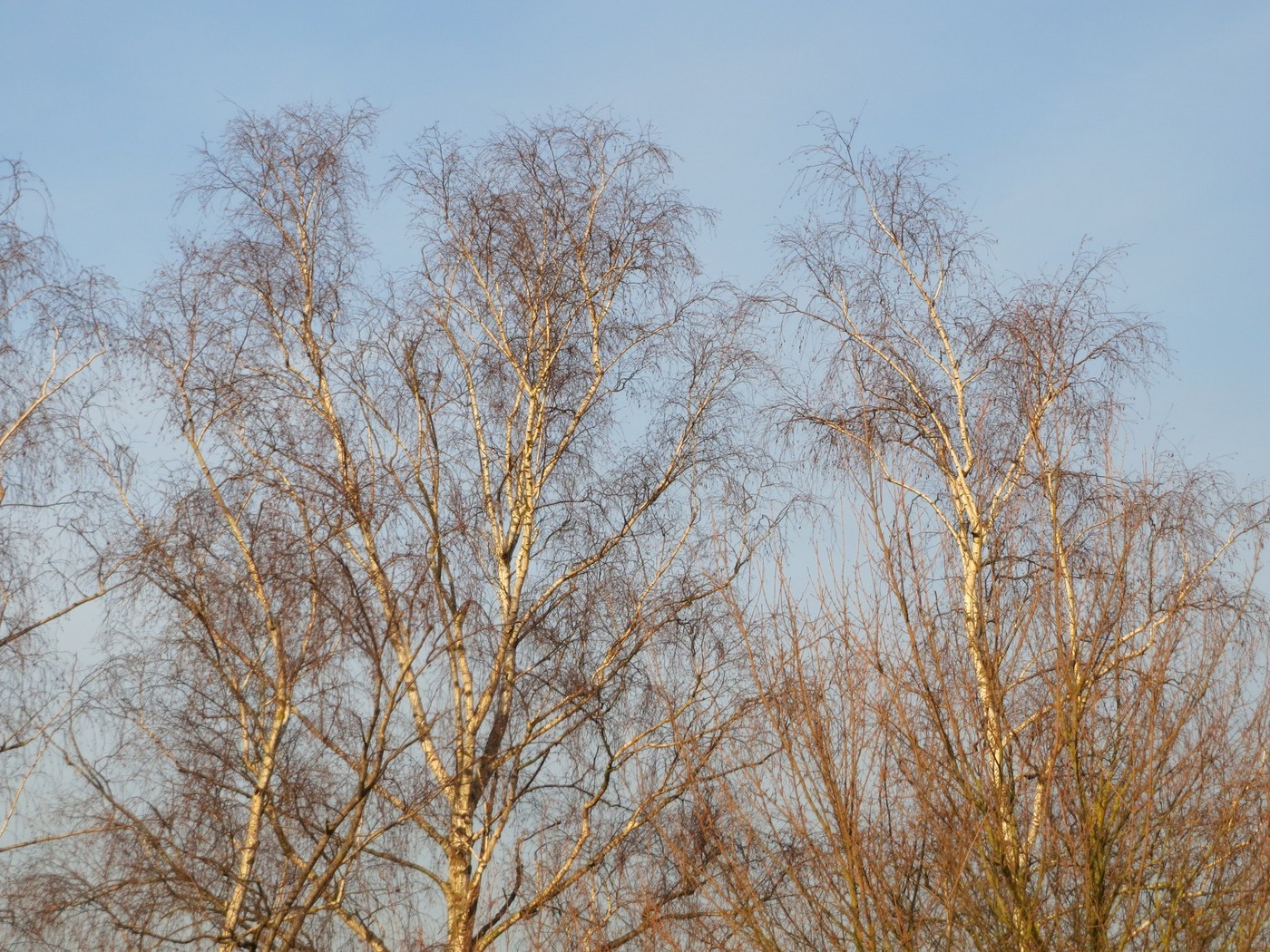
Real specimens identified with Plant Identifier.