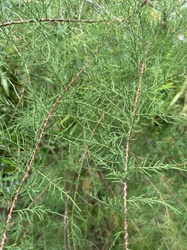
Tamarind Tree Identification Guide
Recognizing the tamarind tree by its feathery compound leaves and brown, knobby seed pods filled with sticky sour-sweet pulp.
Read the full Tamarind Tree encyclopedia entry →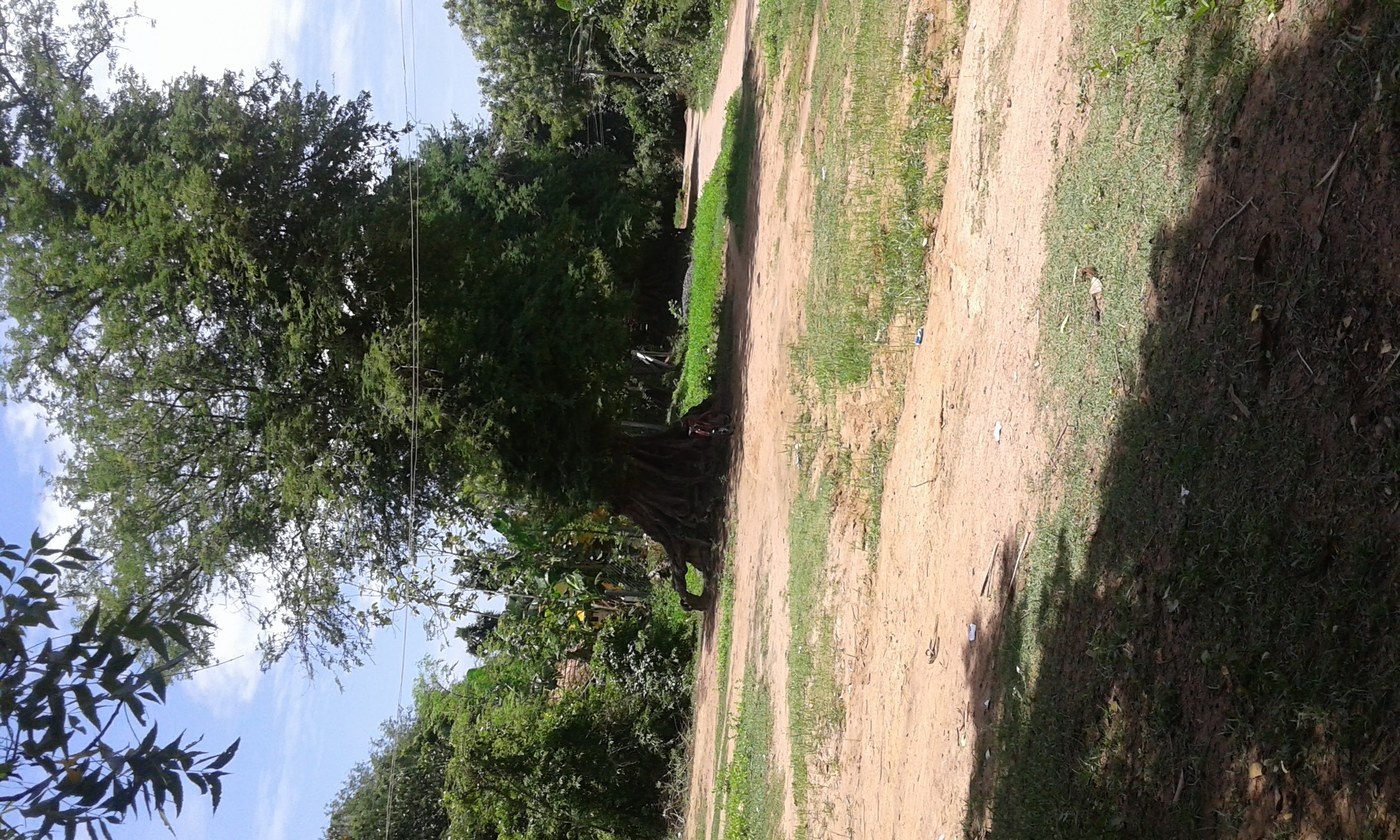
Key Identifying Features
The tamarind (Tamarindus indica) is a large, long-lived tropical legume tree grown for its brown, pod-like fruit filled with a sticky, tart-sweet pulp. Identify it by its dense, feathery (pinnate) foliage, spreading domed crown, and the distinctive knobby, cinnamon-brown pods that hang in clusters.
- Large evergreen to semi-evergreen tree, 12–25 m tall, broad rounded crown
- Fern-like, finely divided leaves
- Curved, brown, lumpy seed pods with brittle shells
Leaves & Stems
Leaves are pinnately compound (once-divided), 7–15 cm long, each bearing 10–20 pairs of small oblong leaflets about 1–2 cm long, giving a soft, fern-like appearance. The leaflets fold up at night (nyctinasty), a useful confirming trait. The bark is gray-brown, rough, and fissured, and the wood is famously hard and dense.
Flowers & Fruit
Flowers are small, pale yellow with red or orange veining, borne in small drooping clusters; they have the irregular shape typical of legumes. The fruit is the key feature: an indehiscent pod 7–20 cm long, often curved, with a brittle, scurfy brown shell. Inside, a sticky brown pulp surrounds several hard, flat, shiny dark-brown seeds, with fibrous strands running through. Young pods are green and very sour; ripe pulp becomes sweeter and sticky-paste-like.
How to Tell It Apart from Look-Alikes
- Other feathery-leaved legumes (e.g., flamboyant/Delonix, acacias): distinguished by flowers and pods — tamarind has lumpy brown pulpy pods, not the flat dry pods of acacias or the long pods of poinciana.
- Carob (Ceratonia siliqua): also has sweet brown pods, but carob leaves are leathery and once-pinnate with few large rounded leaflets, very different from tamarind's many tiny leaflets.
- The combination of fern-like foliage that folds at night + knobby brown pulp-filled pods is diagnostic.
Where You'll Find It
Native to tropical Africa, now naturalized and cultivated across India, Southeast Asia, the Caribbean, Mexico, and tropical Africa. It is extremely drought- and heat-tolerant and is a common shade and roadside tree, in villages, and in home gardens throughout the tropics and subtropics (frost-sensitive).
Quick ID Checklist
- Large tree with broad domed crown and feathery pinnate leaves
- Many small oblong leaflets that fold at night
- Small pale-yellow flowers veined with red
- Curved brown lumpy pods with brittle shells
- Sticky sour-sweet brown pulp around hard flat seeds
- Tropical/subtropical, drought-hardy
Frequently asked questions
How do I know a pod is a ripe tamarind?
Ripe pods have a dry, brittle, cinnamon-brown shell that cracks easily to reveal sticky brown pulp around hard seeds. Green pods are firmer and intensely sour.
Do tamarind leaves really fold at night?
Yes. The small leaflets close up in the evening and reopen in the morning, a behavior called nyctinasty that helps confirm the tree's identity.
Is tamarind related to peas and beans?
Yes, it is a member of the legume family (Fabaceae), which is reflected in its pod fruit and its small pea-like flowers.
Can tamarind be confused with carob?
Both have sweet brown pods, but carob's leaves have a few large rounded leaflets while tamarind has dozens of tiny leaflets, making the foliage easy to tell apart.
Tamarind Tree identified by the community
Recent Tamarind Tree specimens identified with Plant Identifier.