
How to Care for Tangerine Tree
Grow a glossy, fragrant tangerine tree with full sun, deep even watering, and citrus-specific feeding for healthy fruit.
Read the full Tangerine Tree encyclopedia entry →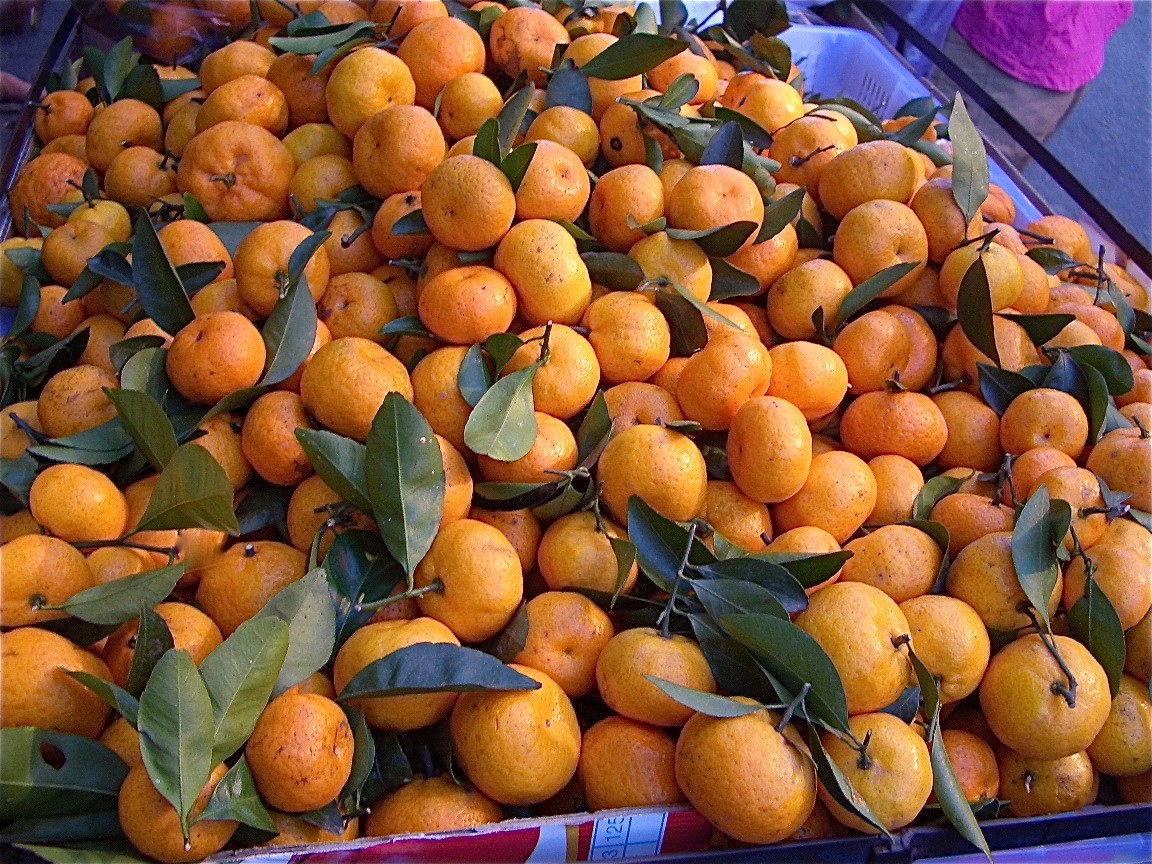
The tangerine (Citrus tangerina) is an ornamental citrus tree grown for its glossy evergreen foliage, fragrant white blossoms, and bright decorative fruit. With warmth, sun, and steady care it makes a rewarding container or garden specimen in mild climates.
Light
Tangerine needs full sun, ideally eight or more hours of direct light daily, to grow strongly and set fruit. Indoors or in a conservatory, place it at the brightest possible window, preferably south-facing, and supplement with a grow light in dim winters. Insufficient light causes weak, leggy growth and poor flowering.
Water
Water regularly, allowing the top inch or two of soil to dry between waterings, then soak deeply until water drains through. Citrus dislike both drought stress and waterlogging, so aim for consistent, even moisture. Erratic watering leads to leaf drop and fruit splitting. Reduce frequency in winter while keeping the root ball from drying out completely.
Soil & Potting
Plant in a well-draining, slightly acidic soil or a dedicated citrus potting mix with plenty of grit or bark for aeration. Good drainage is essential, since citrus roots rot in heavy, sodden soil. In containers, use a pot with ample drainage holes and raise it slightly so excess water escapes freely.
Humidity & Temperature
Tangerine thrives in warm conditions and moderate to high humidity. It is frost-sensitive, so protect it below about 40F and bring container trees indoors before cold snaps in temperate regions. Avoid placing indoor trees near hot, dry heating vents, which stress the foliage and invite pests.
Feeding
Citrus are hungry feeders. Use a dedicated high-nitrogen citrus fertilizer that includes micronutrients such as iron, magnesium, and zinc, applied regularly through the growing season according to the product's schedule. Yellowing leaves with green veins signal nutrient deficiency correctable with citrus feed. Ease off feeding in winter.
Propagation
Named tangerines are usually propagated by grafting or budding onto a suitable rootstock, which ensures fruiting habit and vigor. Cuttings are possible but slower and less reliable. Seed-grown trees are variable and slow to fruit, so grafted nursery stock is preferred for dependable results.
Repotting / Pruning
Repot container trees every two to three years in spring, refreshing the mix and moving up a pot size only as needed. Prune lightly after fruiting to shape the canopy, remove dead or crossing wood, and cut away any suckers that sprout below the graft union. Light annual pruning keeps the tree open and productive.
Common Problems & Pests
Watch for aphids, scale, mealybugs, spider mites, and citrus leaf miner, especially on indoor or stressed trees; inspect new growth and treat promptly. Leaf yellowing often reflects nutrient deficiency or overwatering, and sudden leaf drop usually follows cold drafts or inconsistent watering. Ensure excellent drainage to prevent root rot.
Seasonal Care Tips
In spring and summer, give maximum sun, water evenly, and feed on a regular citrus schedule as the tree flowers and fruits. In autumn, taper feeding and prepare to move container trees under cover. Overwinter frost-tender trees in a bright, cool, frost-free spot and water sparingly until growth resumes.
Frequently asked questions
Can I grow a tangerine tree indoors?
Yes, in a large pot at the brightest window you have, ideally south-facing, with supplemental grow lighting in dim winters. It needs full sun, warmth, and good drainage to stay healthy and flower.
Why are my tangerine's leaves turning yellow?
Yellowing often signals a nutrient deficiency, common in hungry citrus, or overwatering. Use a dedicated citrus fertilizer with iron and magnesium and make sure the soil drains freely between waterings.
How often should I feed a tangerine tree?
Citrus are heavy feeders. Apply a specialized citrus fertilizer with micronutrients regularly through spring and summer per the label, then ease off in winter when growth slows.
Why is my tangerine dropping leaves?
Sudden leaf drop usually follows cold drafts, a chill below about 40F, or inconsistent watering. Keep the tree warm, away from heating vents, and water on an even, steady schedule.