
Tangerine Tree Identification Guide
Identify the tangerine (a Citrus reticulata mandarin) by its slender drooping branches, small pointed leaves, white blossoms, and small, flattened, easy-peel orange fruit.
Read the full Tangerine Tree encyclopedia entry →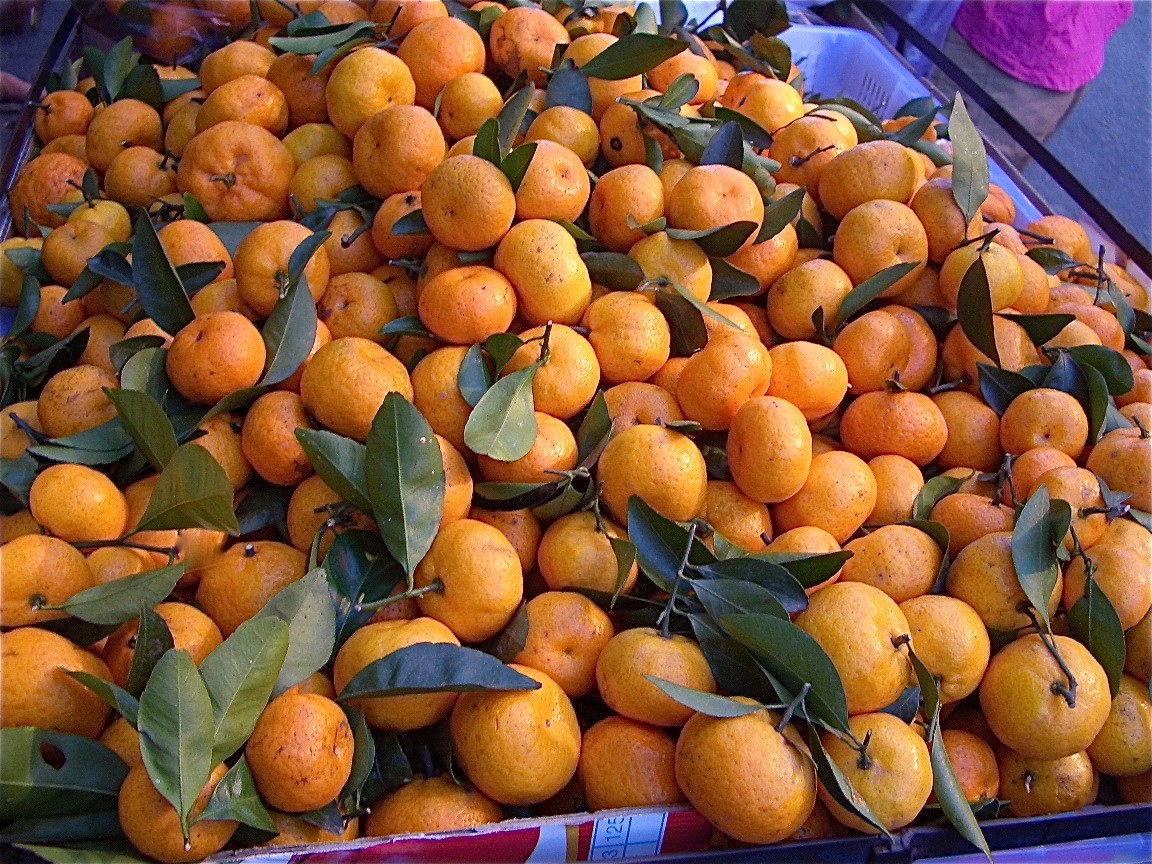
Key Identifying Features
The tangerine is a type of mandarin orange (Citrus reticulata), a small evergreen tree 2-5 m (6-16 ft) tall with slender, often drooping or weeping branches and a rounded crown. The diagnostic clues are small, smooth, deep reddish-orange fruit that is flattened at top and bottom and has a loose, easy-to-peel rind, plus relatively small, narrow leaves with faint winged stalks.
Leaves & Stems
- Leaves are lance-shaped to elliptical, 4-8 cm, glossy mid-to-dark green, smaller and narrower than orange leaves, tapering to a point.
- The petiole has only a very narrow, almost absent wing.
- Branches are thin and flexible, sometimes with small slender spines; crushed leaves smell strongly of citrus.
Flowers & Fruit
- Flowers are small, white, single or clustered, and fragrant, typically in spring.
- Fruit is small to medium, distinctly oblate (flattened sphere), ripening deep orange to reddish-orange.
- The rind is thin, loose, and peels away easily, often leaving an air gap.
- Segments separate cleanly; pulp is sweet, juicy, and aromatic, usually with some seeds (varies by cultivar).
How to Tell It Apart from Look-Alikes
- Sweet orange (Citrus sinensis): larger, rounder fruit with tight, hard-to-peel rind, larger leaves with a broader winged petiole.
- Clementine (a mandarin type): smaller, rounder, usually seedless with a smoother glossy rind; tangerines tend to be more flattened, deeper-colored, and seedier.
- Satsuma (another mandarin): very loose puffy rind, nearly seedless, cold-hardy.
- The small flattened deep-orange easy-peel fruit on a small weepy tree marks a tangerine-type mandarin.
Where You'll Find It
Mandarins/tangerines are grown across subtropical and warm-temperate citrus regions worldwide and are more cold-tolerant than sweet oranges. Look for them in home gardens, orchards, and large patio containers. They prefer full sun, well-drained soil, and protection from hard frost.
Quick ID Checklist
- Small evergreen tree with slender, drooping branches
- Small, narrow, pointed glossy leaves with barely winged stalks
- Fragrant small white spring blossoms
- Small, flattened, deep reddish-orange fruit
- Loose, easy-peel rind; sweet juicy segments
Frequently asked questions
What is the difference between a tangerine and an orange?
Tangerines (a kind of mandarin) are smaller, flatter, deeper reddish-orange, and have a loose rind that peels off easily, on a smaller tree with narrow leaves. Sweet oranges are larger and rounder with a tight rind that is harder to peel.
How do I tell a tangerine from a clementine?
Tangerines are typically more flattened, deeper colored, and may have seeds, while clementines are smaller, rounder, glossier, and usually seedless. Both are mandarin types, so the differences are subtle and variety-dependent.
Why are the branches of my tangerine tree drooping?
A slender, somewhat weeping branch habit is normal for tangerine-type mandarins, especially when laden with fruit. The thin flexible branches and rounded crown are part of how you identify them.
When do tangerines ripen?
Most tangerines flower in spring and ripen their deep-orange fruit from late fall into winter, which is when the easy-peel rind and sweet segments are at their best.