
How to Care for Tayberry
Grow vigorous, cane-forming Tayberry with full sun, steady moisture, and yearly cane training for a healthy, productive bramble.
Read the full Tayberry encyclopedia entry →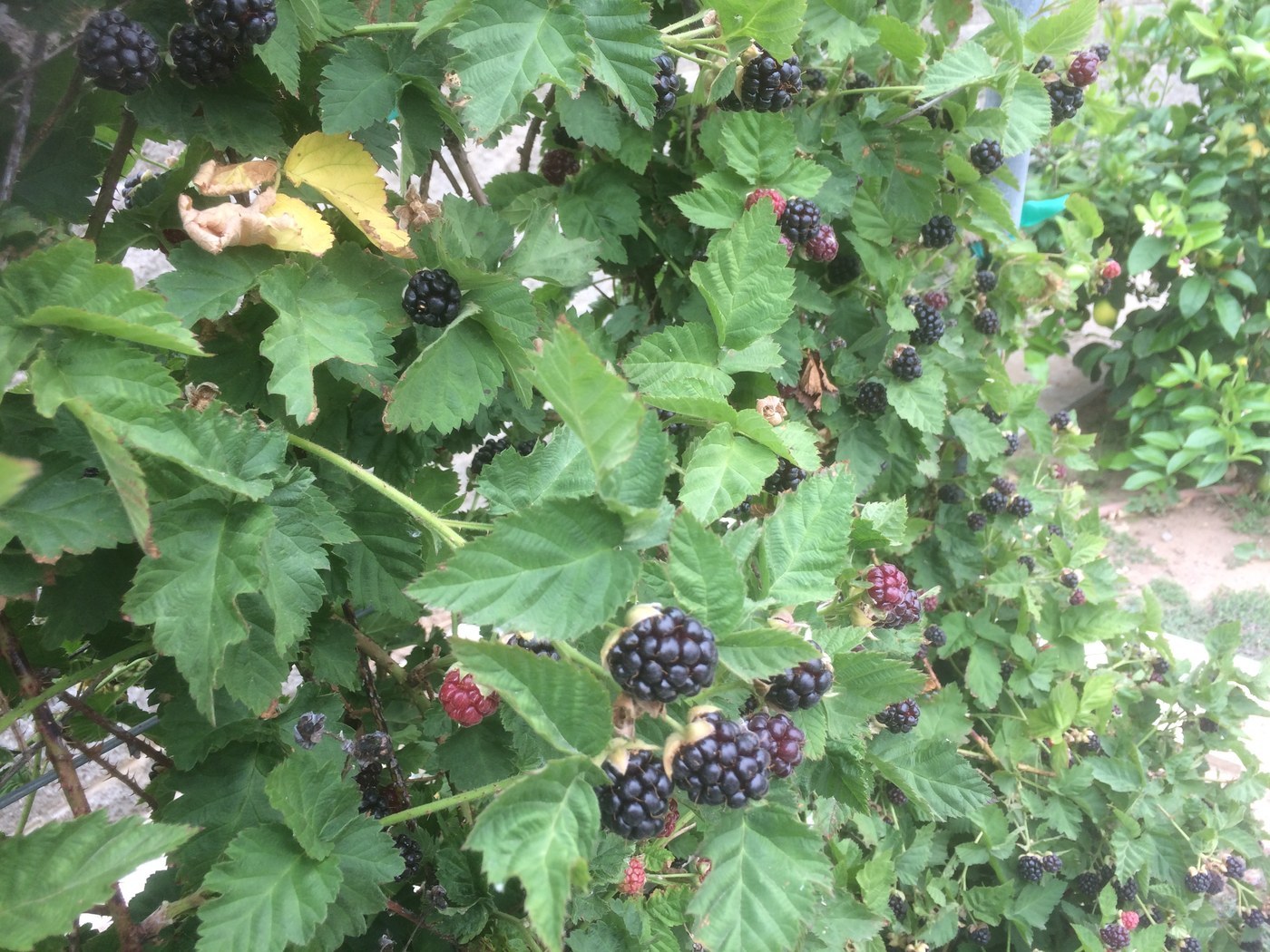
Tayberry (Rubus fruticosus x Rubus idaeus) is a vigorous hybrid bramble that combines raspberry and blackberry parentage into long, arching, thorny canes. It is an easy, rewarding shrub that thrives when given sun, moisture, and a sturdy support to climb.
Light
Give Tayberry full sun for the strongest cane growth and heaviest flowering, though it will tolerate partial shade. In hot-summer regions a little afternoon shade helps keep canes from scorching, but too much shade produces leggy, unproductive growth. Aim for at least six hours of direct light per day.
Water
Keep the root zone evenly moist, especially while the plant is flowering and fruiting, when demand for water is highest. Deep weekly soakings are better than frequent shallow watering. A 5-8 cm mulch of bark or compost over the roots conserves moisture and keeps the shallow root system cool. Ease off watering once the canes go dormant in autumn.
Soil & Potting
Tayberry prefers a deep, fertile, free-draining loam enriched with plenty of organic matter, at a slightly acidic to neutral pH (about 6.0-6.8). Work in compost or well-rotted manure before planting. Avoid waterlogged sites, which cause root rot. If growing in a large container, use a rich loam-based mix and expect to water more often.
Humidity & Temperature
This is a temperate, cool-climate plant that grows best in mild summers and tolerates hard winter frost once established. It appreciates moderate ambient humidity and good airflow around the canes to discourage fungal disease. Very hot, dry, windy conditions stress the plant, so shelter it from harsh exposure.
Feeding
Feed in early spring as growth resumes with a balanced general-purpose fertiliser, and top-dress with compost or well-rotted manure annually. A potassium-rich feed as flowers form supports flowering and fruiting. Avoid heavy nitrogen late in the season, which pushes soft growth vulnerable to frost.
Propagation
The easiest method is tip layering: in late summer bend a cane tip down and bury it a few centimetres deep; it will root over winter and can be severed and moved the following spring. Tayberry can also be propagated from root cuttings taken during dormancy. Plants do not come reliably true from seed.
Repotting / Pruning
Tayberry fruits on canes produced the previous season (floricanes). After a cane has fruited, cut it out at the base and tie in the new season's canes to a wire or trellis, spacing them evenly. Wear thick gloves for the thorns. Container plants can be refreshed every couple of years with new compost and root trimming.
Common Problems & Pests
Watch for aphids, spider mites, and raspberry cane borers, plus fungal issues like cane blight, spur blight, and grey mould (botrytis) in damp conditions. Good spacing, airflow, and prompt removal of spent canes reduce disease. Remove and dispose of any diseased canes rather than composting them. Netting protects developing fruit from birds.
Seasonal Care Tips
Plant bare-root canes in late autumn or early spring. Feed and mulch in spring, keep well watered through the flowering and fruiting flush, and tie in new canes as they extend. Prune out old fruited canes after the season ends, and provide winter shelter in the harshest zones. The plant is fully deciduous and rests over winter.
Frequently asked questions
Does Tayberry need a support structure?
Yes. Its long, arching canes are best tied to horizontal wires or a trellis, which keeps them off the ground, improves airflow, and makes managing the thorny growth much easier.
Why did my Tayberry not flower well this year?
Poor flowering usually traces to too much shade, over-feeding with nitrogen, or accidentally cutting out the previous season's canes, which is where the flowers form. Give full sun and prune only spent, fruited canes.
How much water does a Tayberry need?
Keep the soil consistently moist, particularly during flowering and fruiting. Deep weekly watering plus a thick mulch over the shallow roots keeps the plant vigorous through the growing season.
How do I propagate a Tayberry?
Tip layering is the simplest way: bury a cane tip a few centimetres deep in late summer, let it root over winter, then sever and transplant the new plant the following spring.