
How to Care for Texas Sage
Grow Leucophyllum frutescens, the silvery, drought-loving Texas Sage shrub, with full sun, lean soil, and minimal watering for waves of purple bloom.
Read the full Texas Sage encyclopedia entry →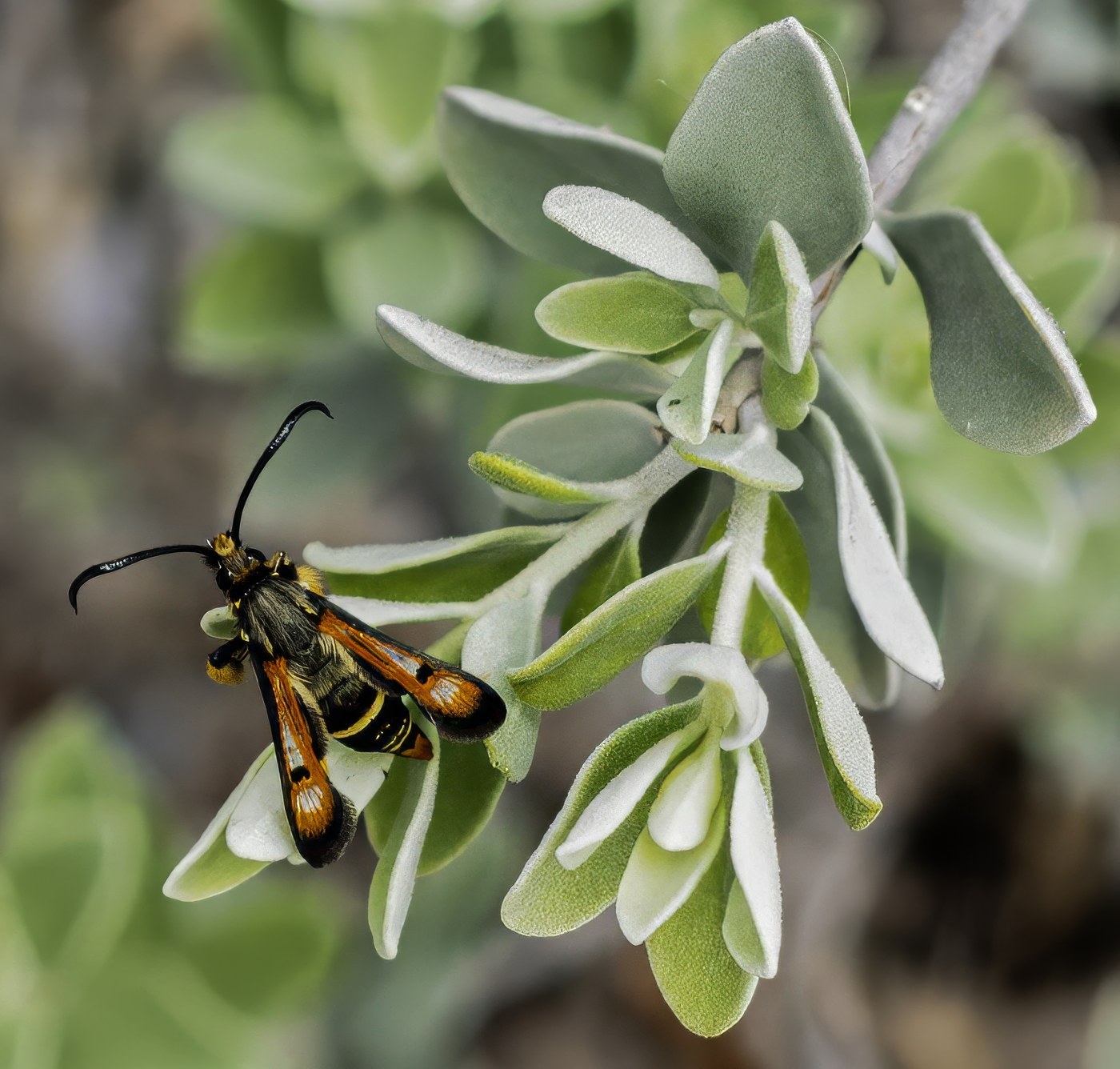
Texas Sage (Leucophyllum frutescens), also called cenizo or barometer bush, is a tough evergreen shrub with soft silvery-gray foliage and flushes of purple, lavender, or pink bell-shaped flowers that often appear after rain or a rise in humidity. It is an outstanding choice for hot, dry landscapes and low-water gardens.
Light
Give Texas Sage full sun, at least six to eight hours of direct light daily. It thrives in the hottest, brightest spots in the garden and rewards heat and sun with dense, compact growth and abundant bloom. In too much shade it becomes leggy and sparse, flowers poorly, and grows more prone to leaf drop and fungal issues.
Water
Water very sparingly; this shrub is highly drought-tolerant once established. During the first growing season, water deeply but infrequently to help the roots settle in. After that, established plants need little to no supplemental water in most climates, relying on natural rainfall. Deep, occasional soakings are far better than frequent shallow watering. Overwatering and poor drainage are the fastest ways to kill it, causing root rot and cottony fungal decline.
Soil & Potting
Excellent drainage is essential. Texas Sage grows best in lean, gritty, alkaline, well-draining soils and even tolerates rocky, sandy, or caliche ground. It dislikes heavy clay and rich, moisture-retentive soil. If your soil is dense, plant on a raised mound or berm and amend with coarse sand and gravel. It needs no fertile ground and actually blooms better in poor soil.
Humidity & Temperature
A true heat lover, it revels in high temperatures and dry air, and is hardy in warm-climate zones. It tolerates significant heat and reflected warmth from walls and pavement. It withstands brief cold but is not suited to hard, prolonged freezes. Interestingly, spikes in humidity often trigger blooming, which is why it is nicknamed the barometer bush.
Feeding
Texas Sage needs little to no feeding. It is adapted to nutrient-poor soils, and heavy fertilizing promotes weak, leggy growth at the expense of its dense form and flowering. If growth is very sluggish in poor ground, a single light application of a balanced or low-nitrogen fertilizer in spring is more than enough.
Propagation
Propagate from semi-hardwood cuttings taken in late spring or summer. Take a firm stem tip, strip the lower leaves, and root it in a gritty, well-draining medium kept barely moist and warm. It can also be grown from seed, though germination can be uneven. Cuttings are the more reliable route to a plant that matches the parent.
Repotting / Pruning
Texas Sage tolerates pruning well and can be shaped as an informal hedge or left to grow naturally into a loose, rounded form. Prune lightly in late winter or early spring to shape and remove any dead or straggly wood. Avoid frequent hard shearing, which sacrifices the natural graceful habit and reduces flowering. If grown in a container, repot only when clearly rootbound, using a fast-draining mix and a pot with ample drainage.
Common Problems & Pests
This is a remarkably trouble-free shrub. The most common problems stem from too much water or poor drainage, leading to root rot and a cottony fungal decline at the base and roots. Sparse growth and few flowers almost always trace back to inadequate sun or excess water and fertilizer. Pests are rare, though it may occasionally attract minor sucking insects on stressed plants; keeping the shrub dry, sunny, and lean is the best defense.
Seasonal Care Tips
Growth and heaviest bloom come through the warm months, often in repeated flushes tied to humidity and rain. Do the main shaping prune in late winter to early spring before new growth begins. Through summer, resist the urge to water frequently. In cooler months, growth slows and water needs drop to almost nothing; keep the root zone on the dry side to overwinter the plant safely.
Frequently asked questions
Why is my Texas Sage not blooming?
The usual culprits are too little sun, too much water, or over-fertilizing. Give it full sun, keep the soil lean and dry, and hold off on feeding. Blooms often burst out after a rise in humidity or rain.
How much water does Texas Sage need?
Very little. Water deeply but infrequently while it establishes, then rely mostly on rainfall. Established plants are highly drought-tolerant and suffer more from overwatering than drought.
Can Texas Sage be grown as a hedge?
Yes. It responds well to shaping and makes an attractive informal hedge. Prune lightly in late winter or early spring and avoid heavy repeated shearing, which reduces its natural form and flowering.
What soil is best for Texas Sage?
Lean, gritty, well-draining, alkaline soil is ideal. It even thrives in rocky or sandy ground. Avoid heavy clay and rich, moisture-holding soils, which cause root rot.