
How to Care for Thimble Cactus
Grow thimble cactus, a fast-clustering miniature Mammillaria that forms mounds of tiny finger-like stems in bright light.
Read the full Thimble Cactus encyclopedia entry →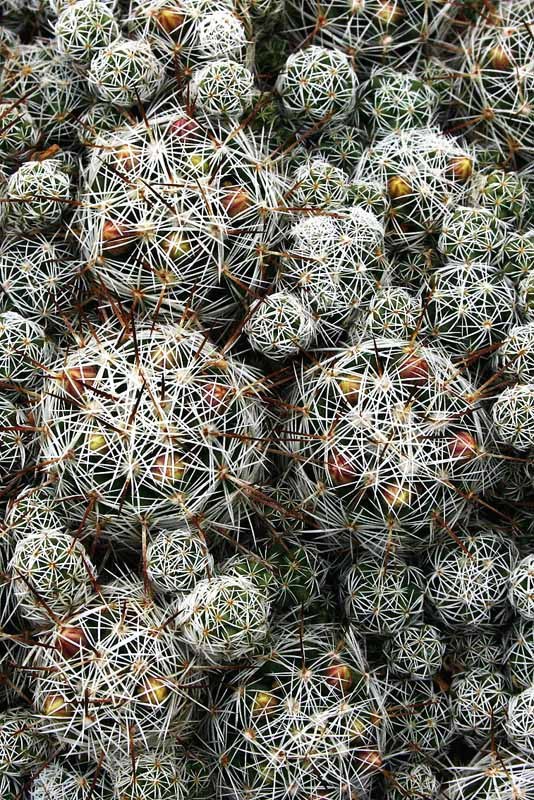
Thimble cactus (Mammillaria gracilis) is a charming miniature clustering cactus that quickly forms mounds of small, finger-like or thimble-shaped stems covered in fine white spines. It is one of the easiest cacti to grow and propagate, making it a favorite for windowsills and dish gardens.
Light
Thimble cactus wants bright light with some direct sun to keep its compact, dense form and strong spination. A south- or west-facing windowsill indoors is ideal. Too little light causes stems to stretch, pale, and become soft. If moving it into stronger sun after winter, acclimate gradually over a week or two to prevent scorching of the tender green skin.
Water
Water sparingly and always let the soil dry out completely between waterings. During the active growing season in spring and summer, a thorough soak every couple of weeks is plenty. In autumn and winter, reduce watering drastically to nearly nothing, as the plant rests and excess moisture in cool conditions is the most common cause of rot.
Soil & Potting
Use a gritty, fast-draining cactus mix. A blend of standard potting soil with generous added pumice, perlite, or coarse sand ensures water passes through quickly. Always use a pot with drainage holes; the shallow, spreading root system suits a wide, shallow container. Terracotta pots help wick away excess moisture.
Humidity & Temperature
Thimble cactus enjoys warm, dry conditions and typical room humidity. It thrives in normal household temperatures during growth. In winter it benefits from a cool, dry rest around 10 to 13 degrees Celsius, which also helps encourage flowering. Protect it from frost and from cold, wet conditions.
Feeding
Feed lightly during spring and summer with a diluted low-nitrogen cactus fertilizer roughly once a month. Do not feed in autumn or winter. Over-feeding produces soft, weak growth that is more prone to rot and loses the plant's tight, characterful shape.
Propagation
This is one of the simplest cacti to propagate. The individual thimble-shaped stems detach very easily, often falling off at the lightest touch. Let a detached segment callus for a day or two, then set it on top of dry, gritty mix; it will root within a few weeks. Because segments drop so readily, a single plant will scatter offsets that root wherever they land.
Repotting / Pruning
Repot every two to three years, or when the cluster outgrows its pot, doing so in spring. Handle carefully, using folded paper or gloves, since the stems dislodge so easily. No pruning is needed, though you can remove any shriveled or damaged segments to tidy the clump and reshape it.
Common Problems & Pests
Root rot from overwatering is the number one problem; keep the mix dry and drainage sharp. Mealybugs can hide among the dense stems and in the roots, appearing as white cottony patches; treat with a cotton swab dipped in rubbing alcohol. Watch also for spider mites in hot, dry indoor air. Etiolation, or stretched pale growth, signals insufficient light. Corky brown patches near the base are usually natural aging rather than disease.
Seasonal Care Tips
In spring, resume watering, repot if needed, and begin light feeding. Through summer, give bright light and water when the soil is fully dry. In autumn, taper off water as growth slows. In winter, keep the plant cool, bright, and nearly dry to encourage a spring flush of small flowers and to prevent cold-weather rot.
Frequently asked questions
Why do the little stems keep falling off my thimble cactus?
This is completely normal. Mammillaria gracilis segments are designed to detach easily as a means of spreading. Each fallen thimble can be laid on dry, gritty mix to root into a new plant, so the trait is a bonus for propagation.
How often should I water a thimble cactus?
Water sparingly and only when the soil is fully dry, roughly every couple of weeks in spring and summer. In autumn and winter cut back to almost nothing. Overwatering, especially in cool weather, is the main cause of rot.
Why is my thimble cactus growing tall and pale?
Stretched, pale, soft growth means it isn't getting enough light. Move it to a bright windowsill with some direct sun and acclimate it gradually so the tender skin doesn't scorch. Good light keeps the clump compact and well-spined.
What kind of pot and soil does it need?
Use a shallow, wide pot with drainage holes and a very gritty, fast-draining cactus mix amended with pumice, perlite, or coarse sand. Terracotta is ideal because it helps the soil dry out quickly between waterings.