How to Care for Thyme
Grow tidy, fragrant thyme with full sun, lean well-drained soil, and sparing water for a tough, low-mounding perennial that thrives on neglect.
Read the full Thyme encyclopedia entry →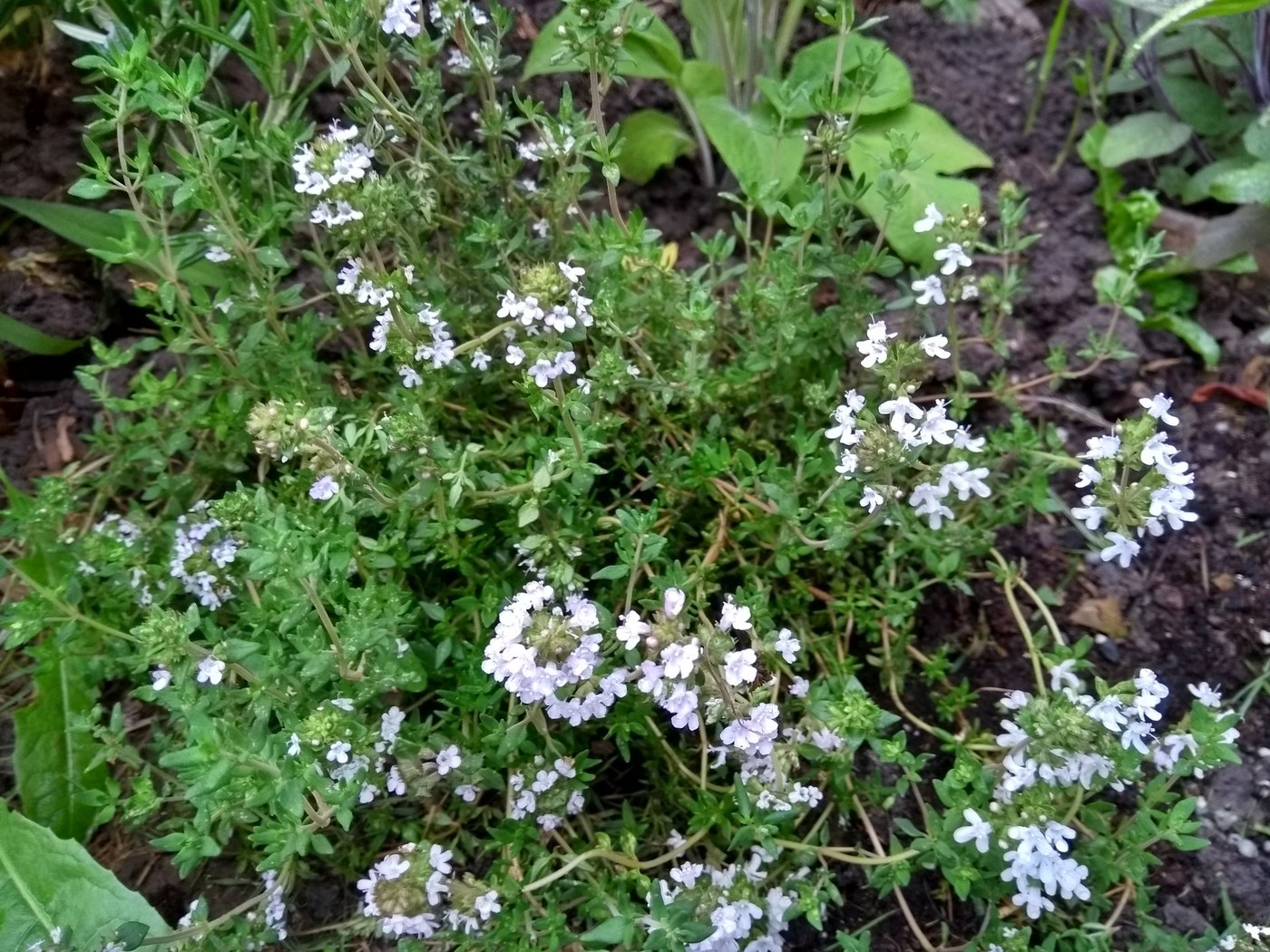
Thyme (Thymus vulgaris) is a low, woody-stemmed Mediterranean perennial with tiny aromatic leaves and clouds of small flowers that attract pollinators. It is one of the easiest plants to grow, asking mainly for sun and sharp drainage, and it actually performs best when you resist the urge to pamper it.
Light
Give thyme full sun, at least six hours of direct light per day. Abundant sun keeps the growth compact, fragrant, and covered in flowers. In too much shade the stems stretch, become floppy, and the plant grows weak and sparse. Indoors, place it in your brightest, sunniest window or under a grow light.
Water
Water sparingly and let the soil dry out between waterings. Thyme is drought tolerant once established and far more likely to suffer from too much water than too little. Soggy soil quickly leads to root rot. Water deeply but infrequently, allowing the top of the soil to dry before the next drink, and cut back further in cool weather.
Soil & Potting
Lean, gritty, well-drained soil is essential. Thyme thrives in poor, rocky soils and dislikes rich, heavy, or wet ground. Amend garden beds with grit or sand to improve drainage, and in containers use a fast-draining mix, ideally a cactus or gritty blend, in a pot with drainage holes. Slightly alkaline to neutral soil is ideal.
Humidity & Temperature
Thyme prefers dry air and good airflow; high humidity and crowded, stagnant conditions encourage fungal problems. It tolerates heat well and many types are hardy through cold winters. Give it space between plants for air circulation and avoid misting.
Feeding
Thyme needs very little feeding. Rich soil and heavy fertilizer produce lush, floppy growth with weaker fragrance. At most, apply a light dose of balanced or low-nitrogen fertilizer once in spring, or work in a little compost. In containers, a diluted feed once or twice during the growing season is plenty.
Propagation
Propagate easily by stem cuttings, division, or layering. Take softwood cuttings in late spring and root them in gritty mix, divide established clumps in spring, or pin a low stem to the soil until it roots, then sever it. Thyme can also be started from seed, though it germinates slowly and unevenly.
Repotting / Pruning
Repot container thyme every year or two into fresh mix. Prune regularly to keep the plant bushy: trim after flowering and lightly shape it through the growing season. Avoid cutting hard into old, bare woody stems, which are slow to regrow. Replacing plants every few years keeps them vigorous as they grow woody with age.
Common Problems & Pests
The most common problem is root rot from overwatering or poor drainage, seen as yellowing, blackening stems, and dieback. Fungal issues appear in humid, crowded conditions. Thyme is generally pest resistant, but watch for spider mites in hot dry indoor air and occasional aphids on new growth; a spray of water or insecticidal soap handles most.
Seasonal Care Tips
Thyme grows most actively in spring and summer, the time to prune, propagate, and lightly feed. In winter it slows or goes semi-dormant, so water very little and avoid fertilizing. In cold climates, an outdoor plant benefits from sharp drainage to survive wet winters, and container plants appreciate protection from prolonged soggy cold.
Frequently asked questions
Why is my thyme turning brown and dying back?
The usual cause is overwatering or poor drainage leading to root rot. Let the soil dry between waterings and grow thyme in gritty, fast-draining soil.
How much sun does thyme need?
Full sun, at least six hours a day. Plenty of light keeps it compact and fragrant; shade makes it leggy and weak.
How do I keep thyme from getting woody and sparse?
Prune lightly and regularly to encourage bushy new growth, avoid cutting into bare old wood, and replace plants every few years as they age.
Should I fertilize thyme often?
No. Thyme prefers lean soil and needs little feeding. Too much fertilizer produces floppy growth with weaker fragrance.
Thyme identified by the community
Recent Thyme specimens identified with Plant Identifier.