Thyme
Thymus vulgaris
A low, woody Mediterranean herb with tiny aromatic leaves, valued as a drought-tolerant ground cover and a superb bee plant.
- Light
- Full sun
- Water
- Low; let soil dry between waterings
- Difficulty
- Easy
Got a plant like this?
Identify any plant from a photo, free.
Overview
Thyme is a small, woody perennial herb native to the Mediterranean, cultivated since ancient times as an aromatic garden herb. Common thyme (Thymus vulgaris) is the standard form, while many ornamental and creeping species are grown as fragrant ground covers.
Tough, drought-tolerant, and evergreen in mild climates, thyme thrives in poor, sunny, well-drained ground. Its tiny summer flowers are exceptionally attractive to bees.
How to identify it
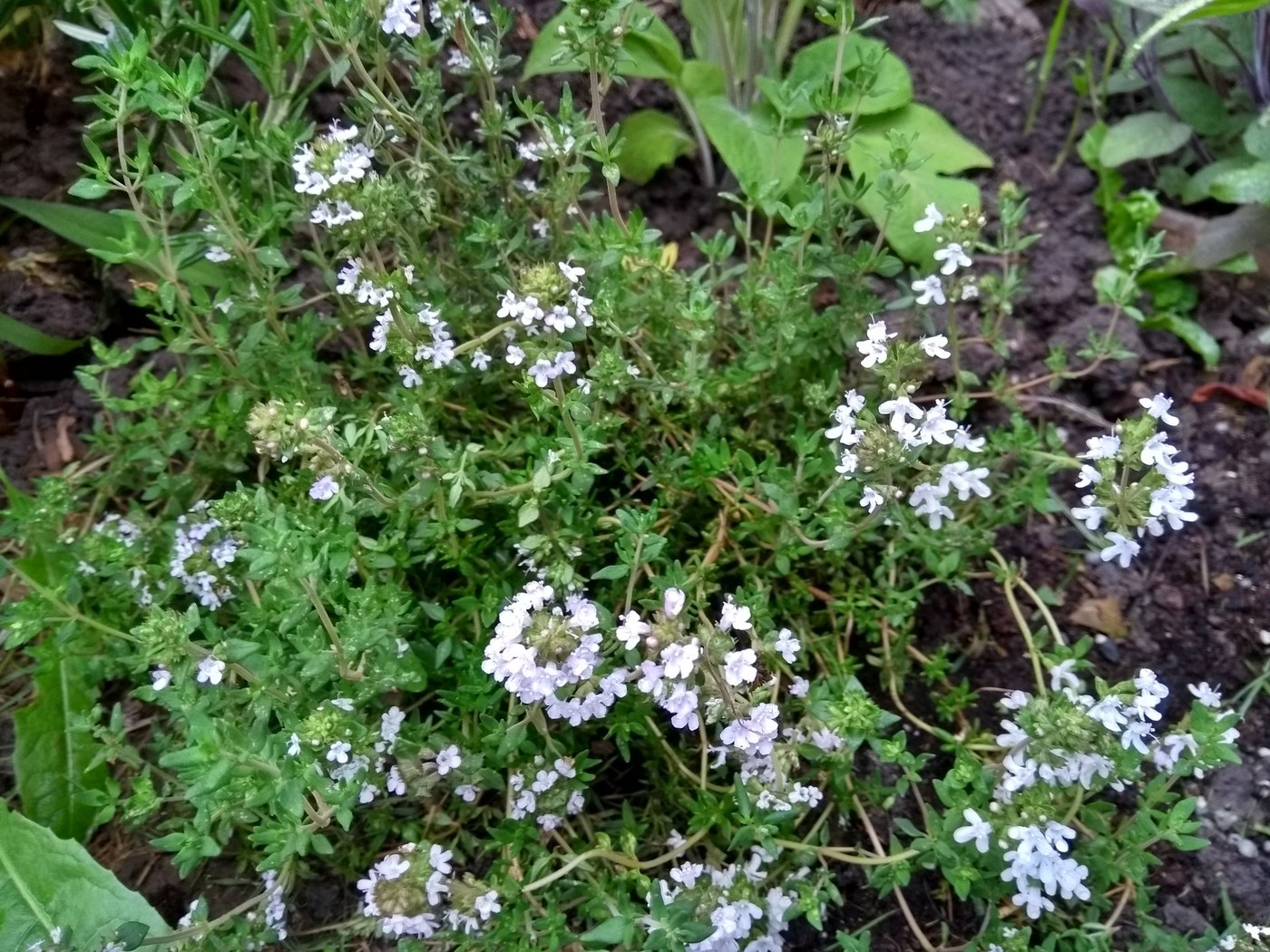
A low, spreading subshrub with tiny aromatic leaves.
- Leaves: very small, oval to lance-shaped, gray-green, often with rolled edges, intensely aromatic
- Flowers: tiny two-lipped blooms in pale pink, lilac, or white, clustered at the stem tips
- Stems: thin, wiry, and woody at the base
- Habit: low and bushy or creeping, typically 10-30 cm tall
- Aroma: warm and herbal when the leaves are crushed
Care & growing
- Light: full sun is essential
- Water: drought tolerant; let the soil dry between waterings and avoid wet feet
- Soil: light, gritty, well-drained, even poor soil; dislikes heavy or soggy ground
- Temperature: generally hardy; many forms tolerate frost, though they prefer dry winters
- Feeding: minimal; it thrives in lean conditions
- Propagation: from seed, division, layering, or cuttings; trim lightly after flowering to prevent woodiness
Habitat & origin
Thymus vulgaris is native to the dry, rocky hillsides and scrub of the western Mediterranean, where it grows in hot, sunny, sharply drained conditions.
It has been cultivated for thousands of years and is grown worldwide in herb gardens, rock gardens, and as a ground cover between paving. It thrives in Mediterranean and water-wise plantings.
Frequently asked questions
Why is my thyme getting woody and sparse?
Older thyme naturally turns woody; trim lightly after flowering each year and avoid cutting into old bare wood to keep plants compact.
Can I walk on creeping thyme?
Creeping thyme tolerates light foot traffic and is often planted between stepping stones, releasing fragrance when stepped on.
Does thyme need a lot of water?
No. Thyme is drought tolerant and prefers to dry out between waterings; overwatering and poor drainage are its main enemies.
Is thyme good for pollinators?
Yes. Its tiny flowers are exceptionally attractive to bees.
Thyme guides
In-depth guides for identifying, growing, and caring for Thyme.
How to Care for Thyme
Grow tidy, fragrant thyme with full sun, lean well-drained soil, and sparing water for a tough, low-mounding perennial that thrives on neglect.
Thyme Identification Guide
Identify thyme by its tiny aromatic leaves, wiry woody stems, low spreading habit and clusters of small pink-purple flowers. This guide covers traits and look-alikes.
Thyme identified by the community
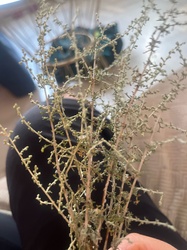
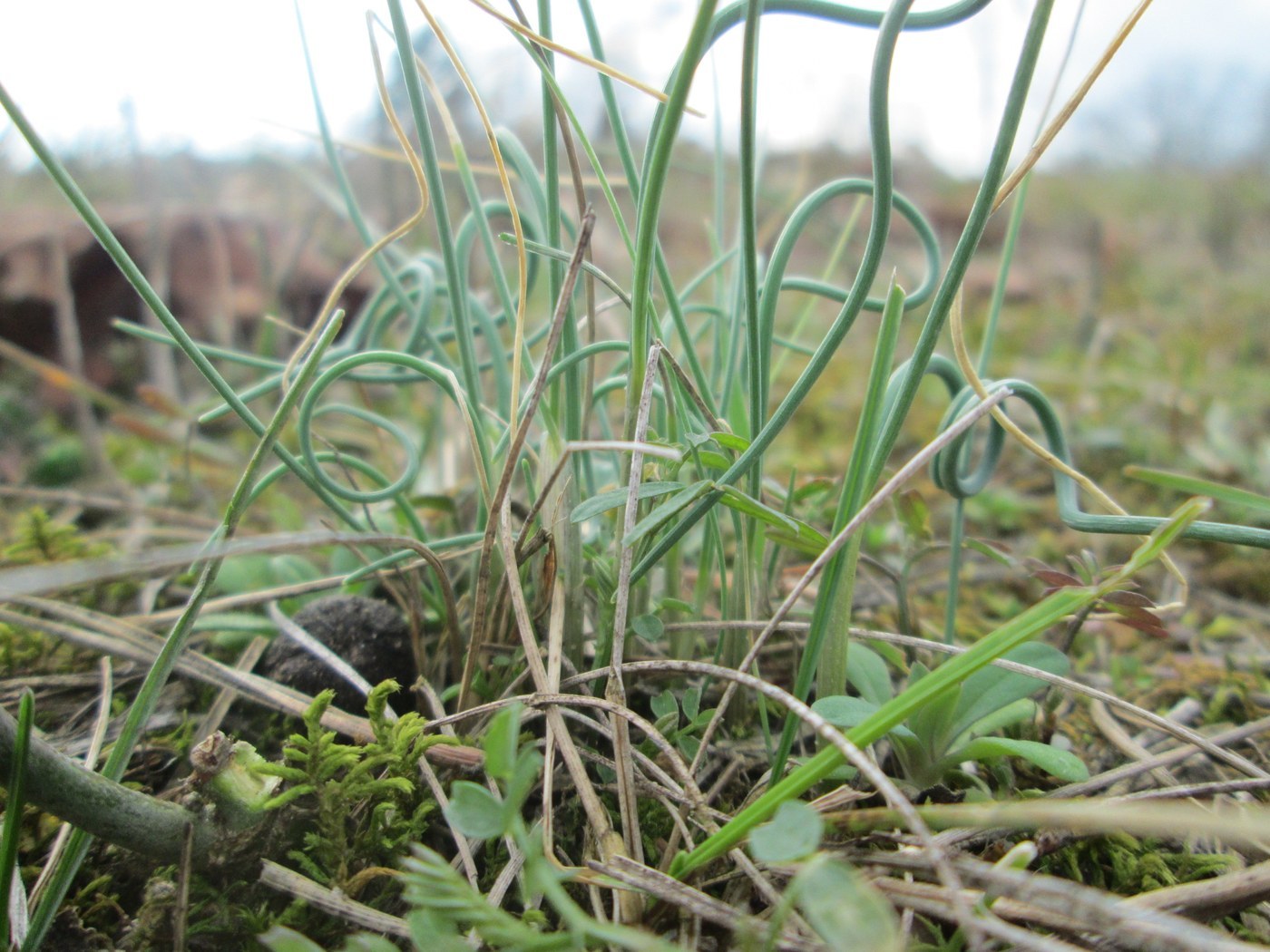
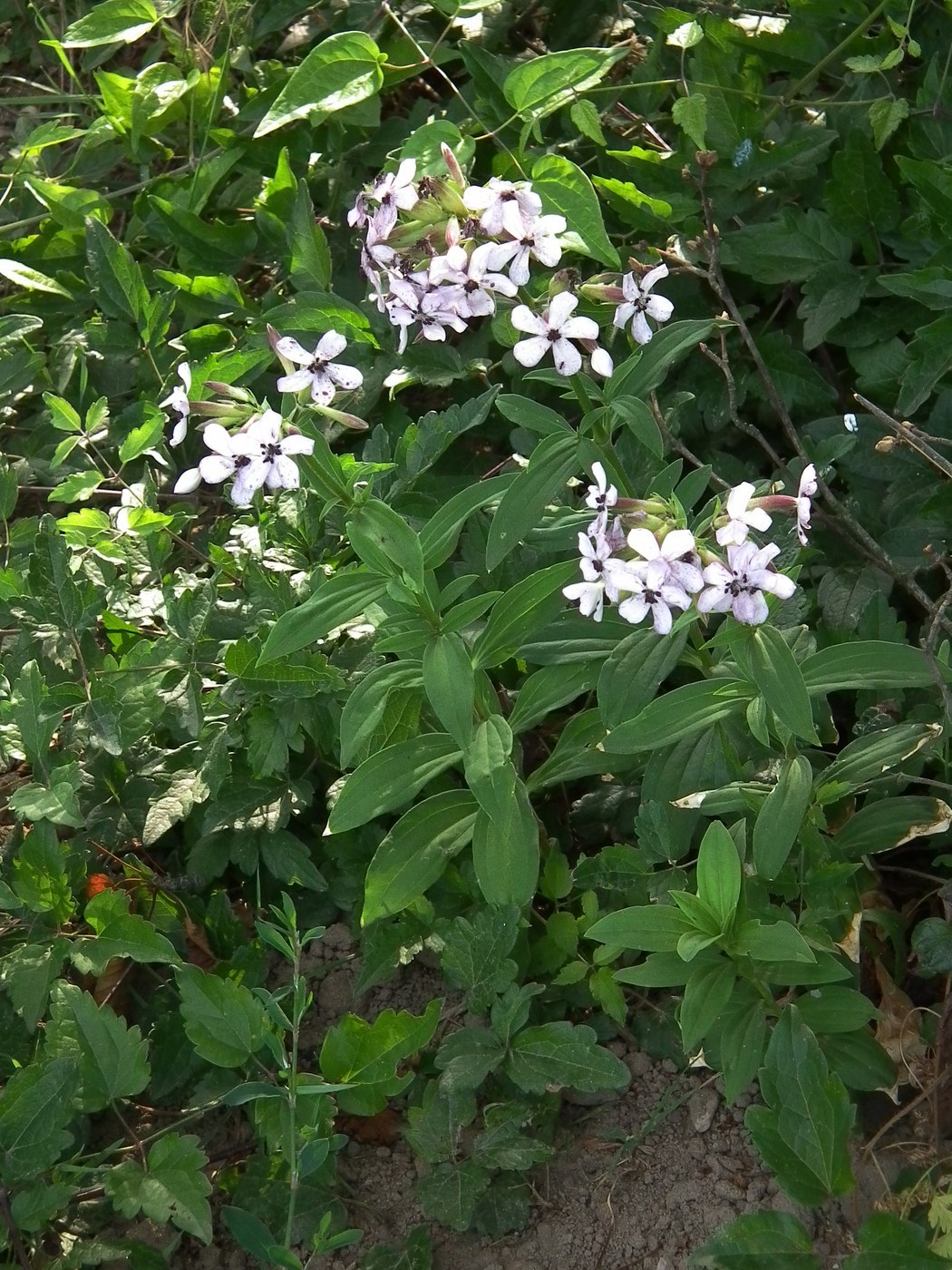
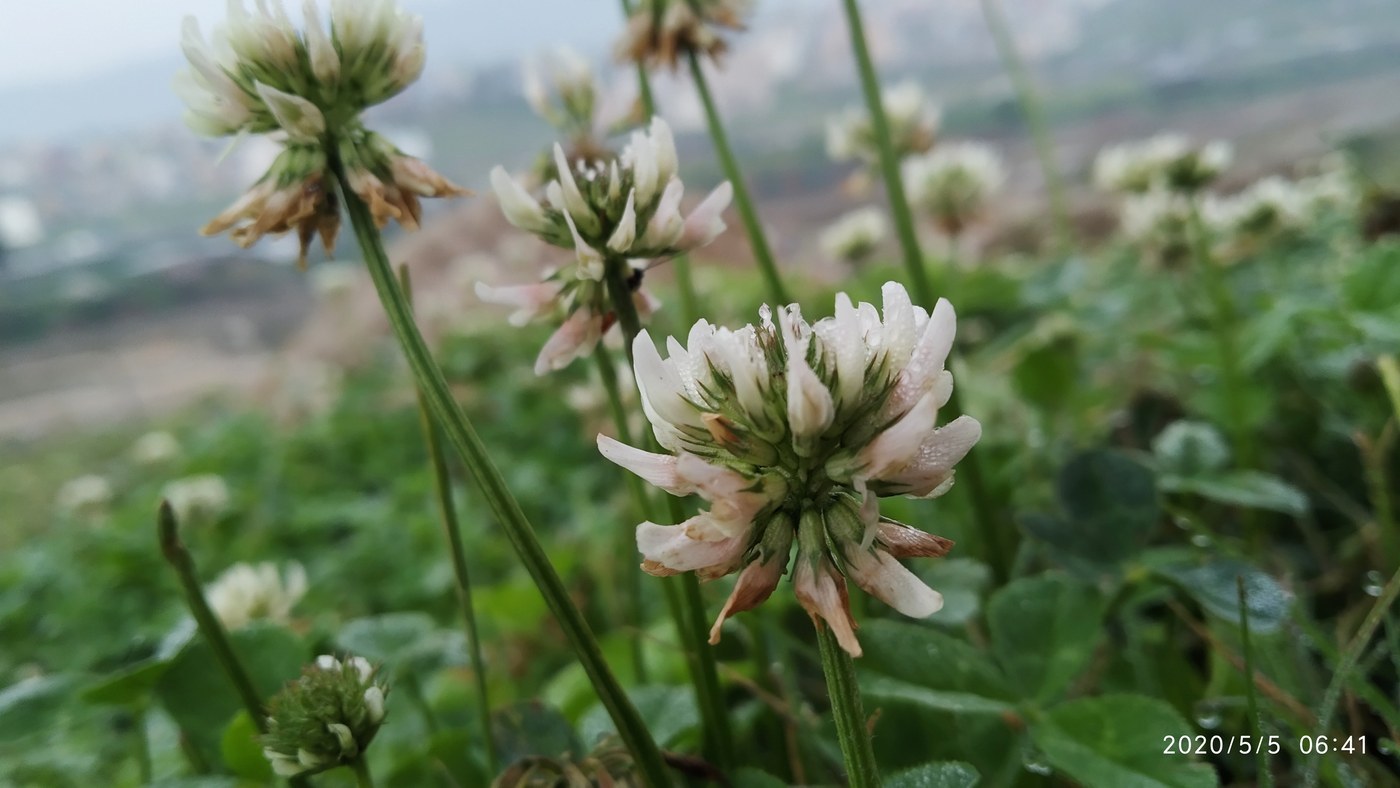
Real specimens identified with Plant Identifier.