
How to Care for Tickseed
Grow cheerful, drought-tolerant Tickseed (Coreopsis): full sun, lean well-drained soil, and easy deadheading for a long summer of golden blooms.
Read the full Tickseed encyclopedia entry →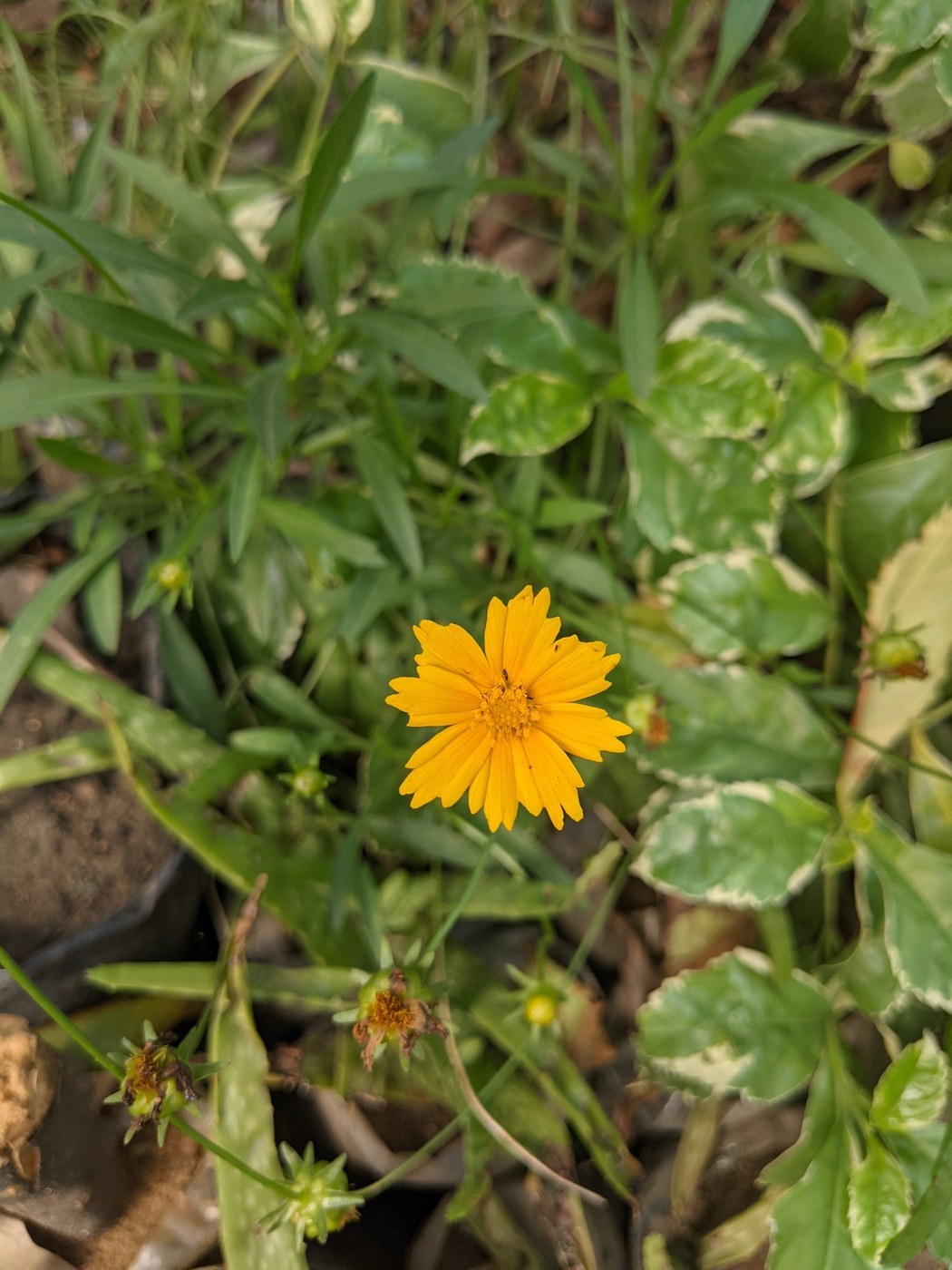
Tickseed (Coreopsis lanceolata) is a tough, sun-loving perennial that produces a long-lasting display of bright golden, daisy-like flowers through summer. Native to open meadows and prairies, it is an easy, low-maintenance plant that thrives on neglect and shrugs off heat and drought.
Light
Grow Tickseed in full sun for the best flowering and sturdiest, most compact growth. It needs at least six hours of direct sun daily. In too much shade the plants flop, stretch, and bloom poorly, so give it the brightest, most open spot in the garden.
Water
Tickseed is notably drought-tolerant once established, with low to moderate water needs. Water new plants regularly during their first season to establish deep roots, then let mature plants rely largely on rainfall. It resents wet feet and soggy soil, which cause crown and root rot, so err on the dry side. Deep, infrequent watering during extended drought is all it needs.
Soil & Potting
This prairie native prefers lean, average, well-drained soil and actually flowers best where the ground is not overly rich. It tolerates sandy, gravelly, and rocky soils with ease. Sharp drainage is the key requirement; heavy, wet clay leads to rot. Avoid heavy fertilizing and rich compost, which promote floppy foliage at the expense of blooms.
Humidity & Temperature
Tickseed is hardy and adaptable across a wide range of climates, tolerating both cold winters and hot, humid summers. It needs no special humidity care. Its heat and drought tolerance make it dependable in tough, exposed sites where fussier perennials struggle.
Feeding
Tickseed needs little to no fertilizer. In poor soil, a light top-dressing of compost in spring is plenty. Over-feeding produces lush leaves, weak stems, and fewer flowers, so keep nutrition modest. This is a plant that genuinely performs better lean.
Propagation
Propagate by seed, division, or basal cuttings. Seeds germinate readily and can be sown in spring; established clumps can be divided every two to three years in spring or fall to reinvigorate them and expand the planting. It also self-sows freely, popping up as volunteer seedlings around the garden.
Repotting / Pruning
Deadhead spent flowers regularly to prolong the long bloom season and to limit excess self-seeding. A shear-back by about one-third after the first flush of bloom encourages a fresh, tidy rebloom. Cut plants back to the ground in late fall or early spring. Divide crowded, declining clumps every few years to keep them vigorous.
Common Problems & Pests
Tickseed is largely trouble-free. Its main enemy is wet, poorly drained soil, which causes crown rot, so drainage is essential. In humid conditions it may develop powdery mildew or leaf spot; improve air circulation and avoid overhead watering. Occasional aphids or slugs may appear but rarely cause serious harm. Short-lived clumps can be renewed by dividing or allowing self-sown seedlings to fill in.
Seasonal Care Tips
In spring, cut back old growth, divide crowded clumps, and top-dress lightly if soil is poor. Through summer, deadhead often and shear back midseason for continued bloom, watering only during prolonged drought. In fall, allow some seed heads to remain for self-sowing, then cut plants down before winter or leave them for cold-season structure.
Frequently asked questions
Why is my Tickseed flopping over?
Floppy Tickseed is usually caused by too much shade or overly rich, over-fertilized soil. Give it full sun and lean, well-drained ground, skip the fertilizer, and shear plants back by a third after the first bloom to keep them compact.
How often should I water Tickseed?
Water new plants regularly during their first season, then very little afterward. Mature Tickseed is drought-tolerant and prefers to run dry, so water only during extended drought. Soggy soil causes rot, so err on the dry side.
Should I deadhead Tickseed?
Yes. Regular deadheading extends the long bloom season and keeps plants tidy. Shearing the whole plant back by about a third after the first flush triggers a fresh round of flowers. Leave a few seed heads in fall if you want it to self-sow.
Why does my Tickseed keep dying out?
Coreopsis clumps can be short-lived, especially in wet or heavy soil. Ensure sharp drainage, divide clumps every two to three years to renew them, and let some self-sown seedlings fill in to keep the planting going.