
How to Care for Toad Lily
Grow Toad Lily (Tricyrtis hirta), a shade-loving perennial with orchid-like speckled flowers that bloom in late summer and fall.
Read the full Toad Lily encyclopedia entry →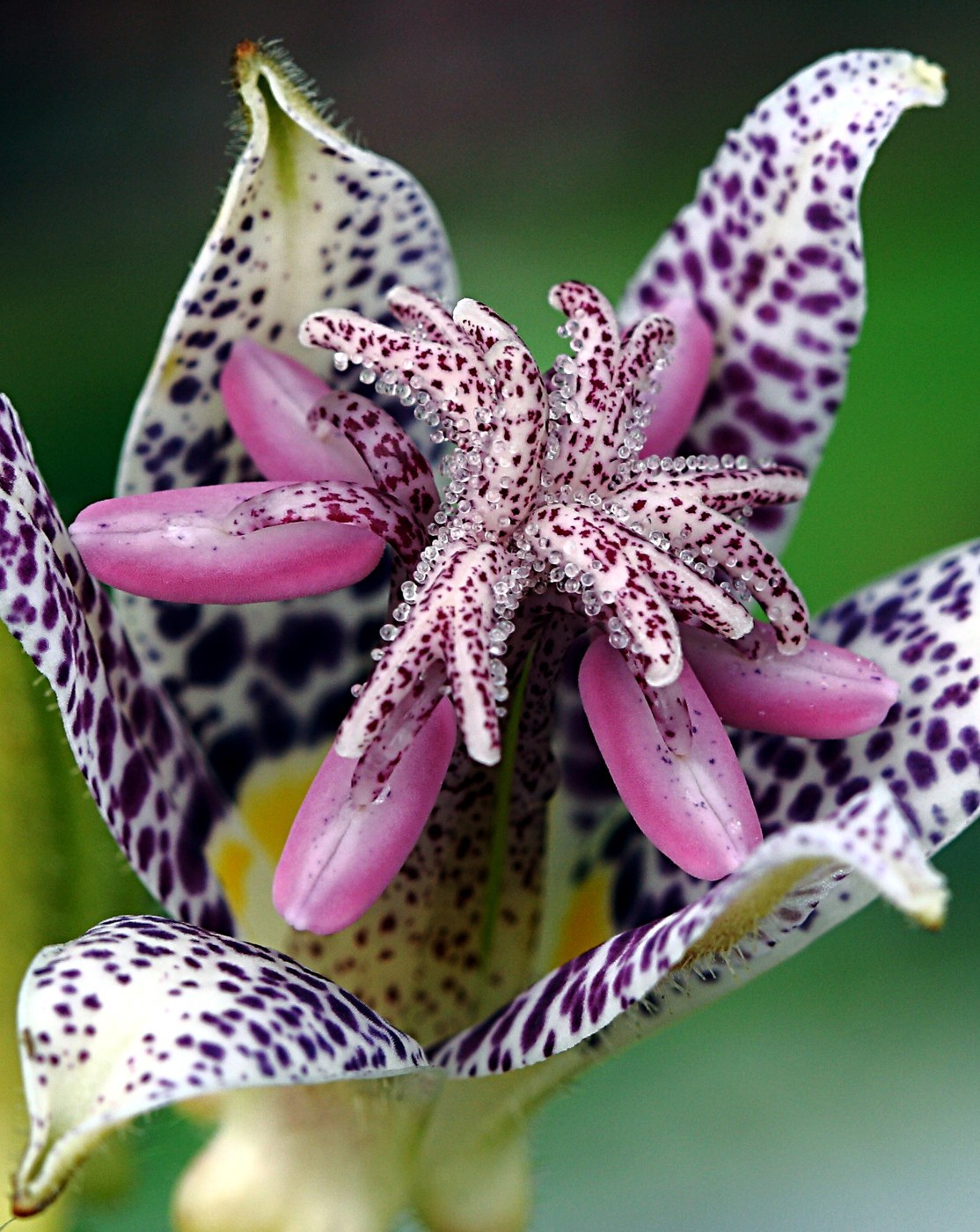
Toad Lily (Tricyrtis hirta) is a graceful shade perennial prized for its intricate, orchid-like flowers speckled with purple that appear late in the season when most of the garden is winding down. It rewards a moist, shaded spot with an unusual and long-lasting autumn display.
Light
Toad Lily thrives in part to full shade. Cool woodland light, dappled shade, or a bright spot shielded from hot afternoon sun suits it best. Too much direct sun bleaches and scorches the foliage, while its flowers show beautifully against a shaded backdrop.
Water
Keep the soil moderately to consistently moist at all times. This plant does not tolerate drought and will develop brown, crispy leaf margins if it dries out. Water regularly, especially in summer, and mulch to conserve moisture, while ensuring the soil is not permanently waterlogged.
Soil & Potting
Grow in humus-rich, moisture-retentive but well-drained soil that is slightly acidic to neutral. Generous amounts of compost or leaf mold improve both moisture retention and fertility. In containers, use a rich, water-holding potting mix and keep the pot in shade so it does not dry out.
Humidity & Temperature
Toad Lily is a hardy perennial that favors cool, humid, woodland-like conditions and appreciates moist air. It overwinters underground, dying back after frost and re-emerging in spring. It dislikes hot, dry climates, where it needs deep shade and steady moisture to succeed.
Feeding
Feed moderately. Apply compost or a balanced slow-release fertilizer in spring as growth begins, and optionally a light feeding in early summer to support the late bloom. Soil enriched with organic matter often provides most of the nutrition the plant requires.
Propagation
Propagate most reliably by division in early spring, lifting clumps and separating the rhizomes into sections with growth points. It can also be grown from seed or from stem cuttings taken in early summer. Divisions re-establish quickly and produce flowering plants sooner.
Repotting / Pruning
Divide crowded clumps every few years in spring to keep them vigorous. Pruning needs are minimal; simply cut the stems back to the ground after the foliage dies down in late fall or early spring. Removing dead leaves also reduces slug hiding spots.
Common Problems & Pests
Slugs and snails are the most persistent pests, chewing holes in the leaves, especially on tender spring growth; keep the area clean and manage them as needed. Leaf scorch and brown margins signal too little water or too much sun. Anthracnose and other fungal leaf spots can occur in wet, crowded plantings, so allow reasonable airflow.
Seasonal Care Tips
In spring, mulch with compost and divide congested clumps as shoots emerge. Maintain steady moisture through summer as the plant builds toward its late-season bloom. Enjoy the flowers in late summer and fall, then cut back and clean up the foliage after frost, leaving the crown to rest underground for winter.
Frequently asked questions
When does Toad Lily bloom?
Late summer into fall, making it valuable for adding color to shaded areas when most other perennials have finished flowering.
How much shade does Toad Lily need?
Part to full shade. Dappled or cool woodland light is ideal; hot afternoon sun bleaches and scorches the leaves.
Why are the leaves getting brown, crispy edges?
That is usually drought stress or too much sun. Keep the soil consistently moist, mulch, and move the plant to deeper shade.
What is the best way to propagate Toad Lily?
Division in early spring is easiest and most reliable, separating the rhizomes into sections with growth buds; stem cuttings and seed also work.
What pests bother Toad Lily?
Slugs and snails are the main problem, chewing holes in the foliage. Keep the bed clean and control them, especially on new spring growth.