
How to Care for Trillium
Grow woodland trillium in cool, humus-rich shade with steady moisture for its striking three-petaled spring flowers.
Read the full Trillium encyclopedia entry →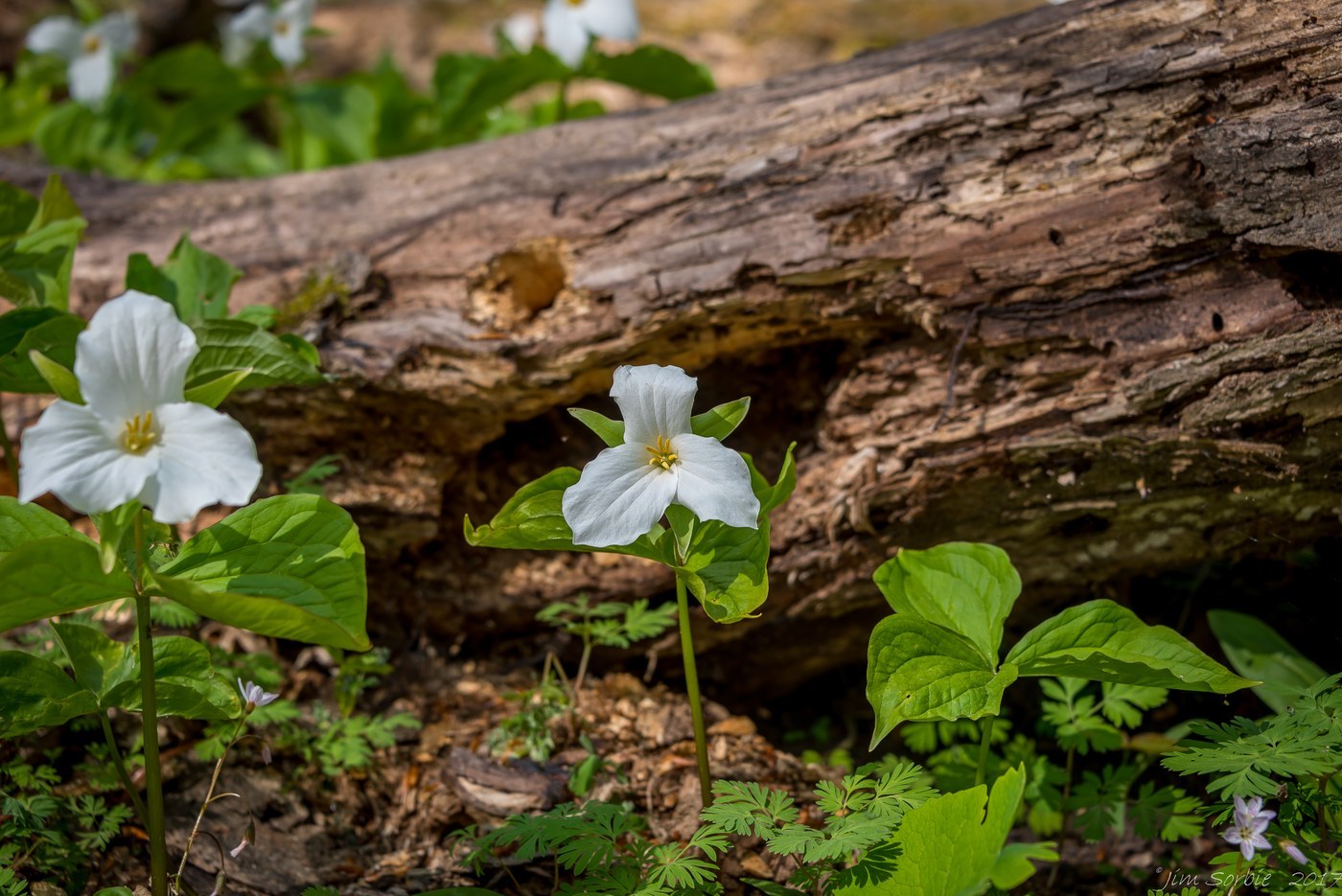
Trillium (Trillium grandiflorum) is a slow-growing woodland wildflower cherished for its elegant whorl of three leaves topped by a single three-petaled white bloom that ages to pink. It is a rewarding but patient plant, at its best in the cool, shaded, leaf-littered conditions of a natural forest floor.
Light
Trillium is a true shade plant, thriving in part shade to full shade beneath deciduous trees. It relies on the bright early-spring light before the tree canopy leafs out to fuel growth and flowering, then rests through summer in deeper shade. Avoid hot, direct afternoon sun, which scorches the foliage and shortens dormancy.
Water
Keep the soil consistently moist, especially through the active spring growing and blooming period. Trillium dislikes drying out while in leaf, but also resents standing water. Once the foliage yellows and the plant goes summer-dormant, natural rainfall is usually sufficient. A woodland mulch helps buffer moisture around the rhizome.
Soil & Potting
Provide deep, humus-rich, moisture-retentive but well-drained soil that mimics a forest floor. A slightly acidic to neutral pH and abundant organic matter are ideal. Amend planting areas generously with leaf mold or compost. Plant the rhizome a couple of inches deep with the growing point facing up. Loose, crumbly soil lets the shallow rhizome expand slowly over the years.
Humidity & Temperature
Trillium needs a cold winter dormancy to thrive and is well suited to temperate regions with distinct seasons. It enjoys the cool, humid microclimate of a shaded woodland. Hot, dry conditions push it into early dormancy, so keeping the root zone cool and moist extends its season above ground.
Feeding
Trillium is a light feeder that responds best to natural, slow nourishment. An annual autumn topdressing of leaf mold or compost renews the woodland-floor conditions it depends on. Avoid strong chemical fertilizers, which can damage the sensitive rhizome. A gentle, organic approach yields the healthiest long-term colonies.
Propagation
Trillium is notoriously slow to propagate. Division of established clumps is possible in late summer once the plant is dormant, cutting the rhizome so each piece has a growing point, but plants resent disturbance and may sulk for a season. Seed is the natural route, though seedlings can take five to seven years to reach flowering size and require a period of cold and warmth to germinate. Patience is essential; buy nursery-propagated stock rather than disturbing wild colonies.
Repotting / Pruning
Trillium needs almost no pruning. Simply allow the foliage to yellow and die back naturally in summer, as it is recharging the rhizome for next year; never cut it prematurely. Disturb established plants as little as possible. If you must move a clump, do so during dormancy and replant immediately at the same depth in fresh, humus-rich soil.
Common Problems & Pests
Slugs and snails are the main pests, chewing the emerging spring foliage; hand-pick or use barriers. Deer and other browsers may graze the tender growth. The biggest cultural issues are drought stress and too much sun, which cause premature dormancy, and soggy soil, which rots the rhizome. Otherwise trillium is largely trouble-free where its woodland conditions are met.
Seasonal Care Tips
In early spring, ensure the emerging shoots have steady moisture and dappled light. Enjoy the bloom, then let the plant photosynthesize freely until the leaves fade in early summer. Topdress with leaf mold in autumn to renew organic matter. Leave the rhizome undisturbed through winter dormancy, where cold temperatures set the stage for next spring's growth.
Frequently asked questions
Why is my trillium so slow to grow?
Trillium is naturally slow, spending years building its rhizome. Seedlings can take five to seven years to bloom, and even established clumps expand gradually. Steady woodland conditions and patience are the keys.
Should I cut back trillium leaves after it blooms?
No. Let the foliage yellow and die back on its own in summer, since the leaves recharge the rhizome for next year. Removing them early weakens the plant.
Can I divide my trillium clump?
You can, but carefully and only when dormant in late summer, ensuring each rhizome piece has a growing point. Trillium resents disturbance and may skip flowering for a season afterward.
Why did my trillium disappear by midsummer?
That is normal. Trillium goes dormant after flowering, and its foliage naturally dies back for the summer. It will re-emerge the following spring from the rhizome below ground.