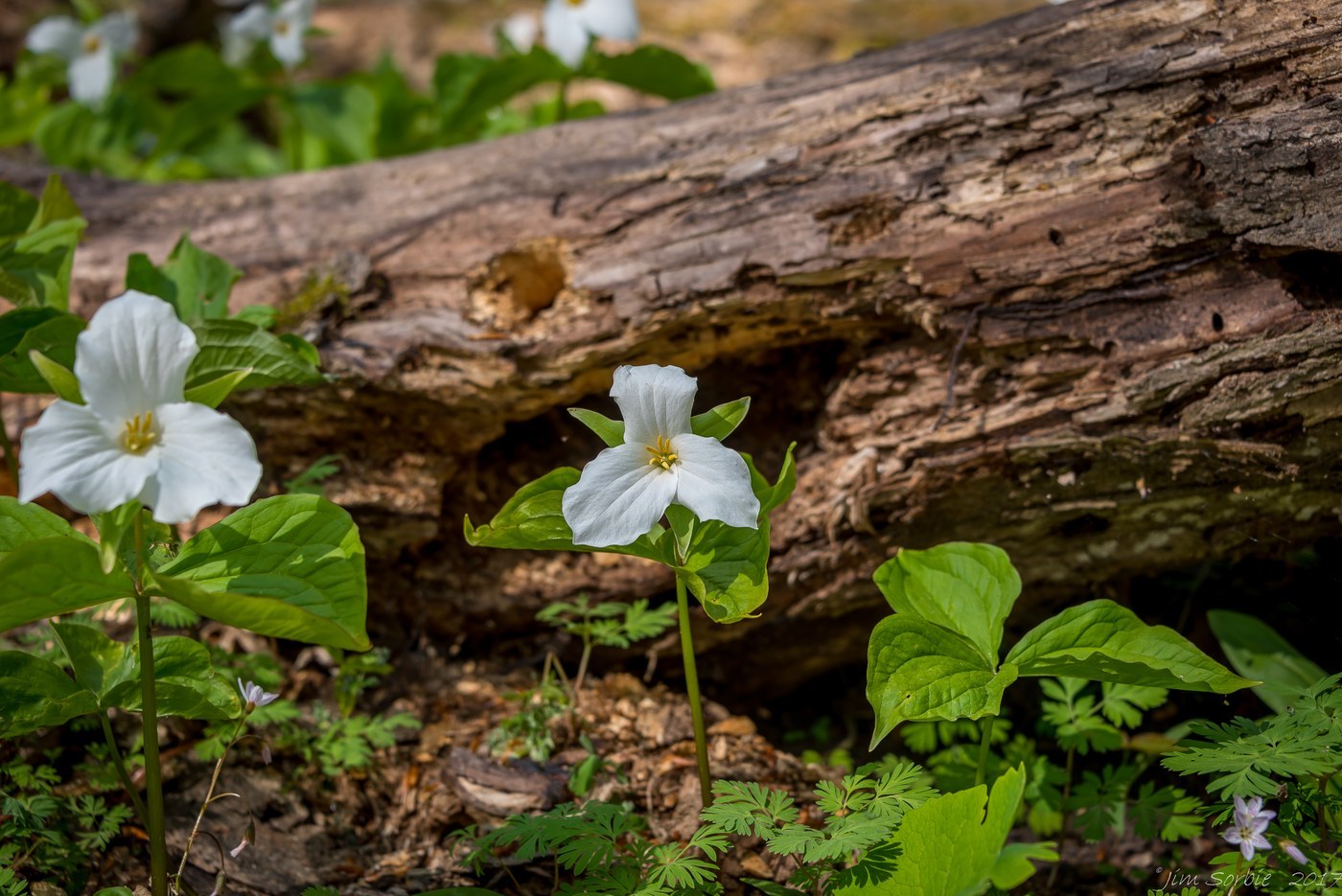
Trillium
Trillium grandiflorum
A cherished woodland wildflower built entirely in threes: three leaves, three petals, and three sepals. Slow-growing and long-lived, it is a hallmark of healthy spring forests and should never be picked or dug from the wild.
- Light
- Part shade to full shade
- Water
- Moderate; consistently moist soil
- Difficulty
- Moderate
Got a plant like this?
Identify any plant from a photo, free.
Overview
Trillium is a genus of about 50 species of spring-blooming woodland perennials, with Trillium grandiflorum (great white trillium) among the most iconic. Everything about the plant comes in threes, the source of its name.
Trilliums are famously slow to mature, often taking years from seed to first bloom, and individual plants can live for decades. Because of this, picking the flower can severely damage or kill the plant, and harvesting wild plants is discouraged or protected by law in many areas.
White-flowered species often fade to pink as the blooms age, adding to their woodland charm.
How to identify it
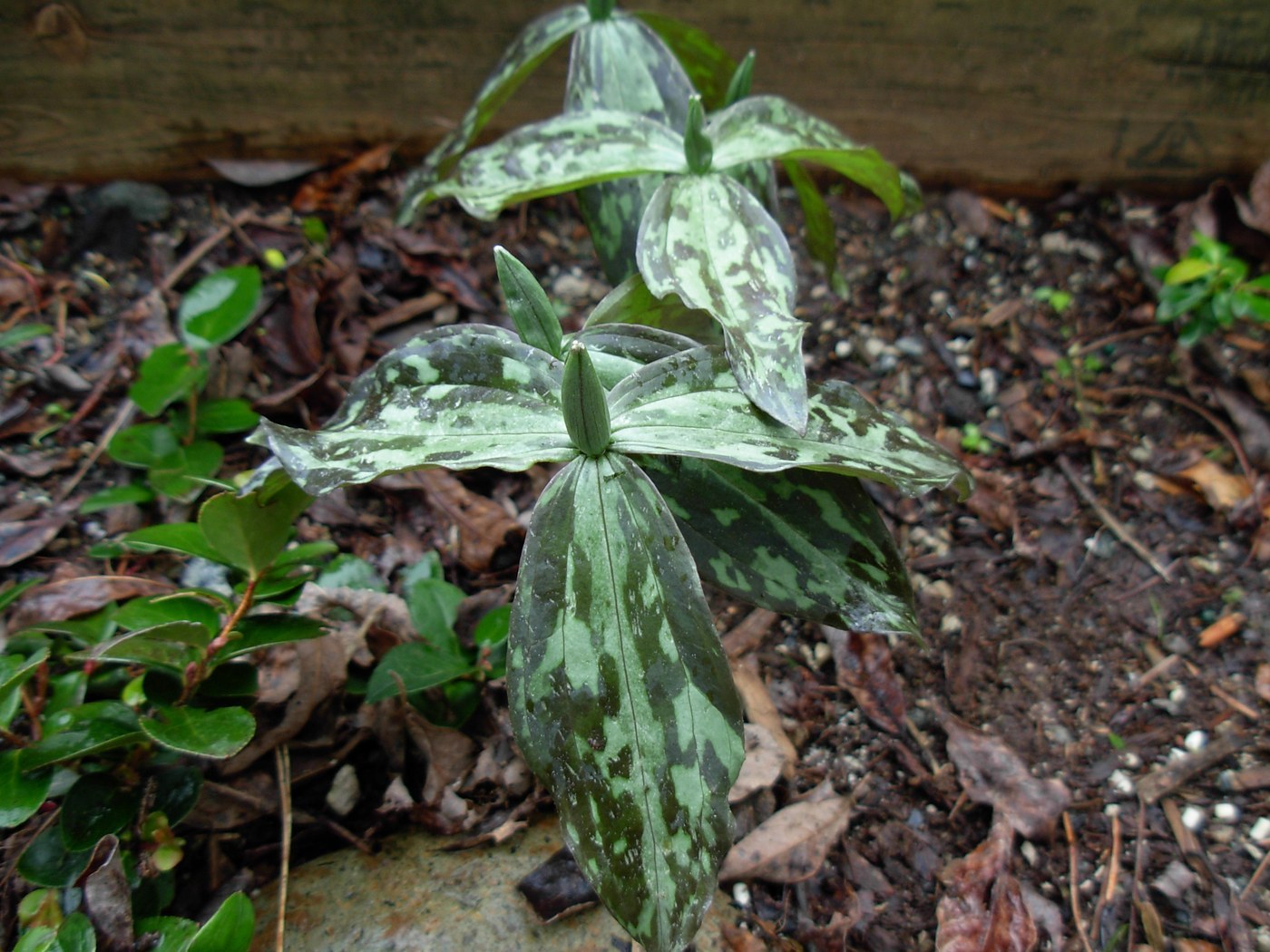
Look for a single whorl of three broad leaves topped by a solitary three-petaled flower.
- Flowers: A single bloom with three petals and three green sepals, white, maroon, yellow, or pink depending on species
- Leaves: Three broad, net-veined leaves in a single whorl atop the stem
- Habit: One unbranched stem per plant, rising from a rhizome
- Size: Typically 8 to 18 inches (20 to 45 cm) tall
- Bloom time: Spring, often April to May
Care & growing
Trilliums reward patience but resent disturbance.
- Light: Part to full shade beneath deciduous trees
- Water: Keep soil consistently moist, especially in spring; tolerates summer dormancy
- Soil: Rich, humusy, well-drained woodland soil with abundant leaf litter
- Temperature: Cold-hardy; needs winter chill to bloom
- Propagation: Very slow from seed (seeds are spread by ants); buy only nursery-propagated plants, never wild-collected
- Note: Avoid moving established plants, which dislike disturbance
Habitat & origin
Trilliums are native to temperate North America and Asia. Trillium grandiflorum ranges across eastern North America from Quebec and Ontario south through the Appalachians.
They grow on rich, moist, deciduous forest floors, often in large colonies that are indicators of mature, undisturbed woodland. The great white trillium is the official flower of Ontario.
They are grown in shade and woodland gardens but require patience and the right rich, shaded conditions to establish.
Frequently asked questions
Why shouldn't I pick a trillium?
Picking the flower removes the leaves too, which can starve and kill the slow-growing plant; wild trilliums are protected in many regions.
Why does everything come in threes?
Trilliums naturally produce parts in threes: three leaves, three petals, and three sepals, which is the origin of the name.
How long does it take a trillium to bloom from seed?
Often many years, sometimes seven or more, which is why established plants are so valued and slow to replace.
Why did my white trillium turn pink?
Many white-flowered species naturally fade to pink as the flowers age; it is a normal part of their bloom cycle.
Trillium guides
In-depth guides for identifying, growing, and caring for Trillium.
How to Care for Trillium
Grow woodland trillium in cool, humus-rich shade with steady moisture for its striking three-petaled spring flowers.
Trillium Identification Guide
Identify Trillium by its signature whorl of three leaves and three-petaled flower borne on a single stem. This guide covers color forms, look-alikes, and its protected woodland status.