
How to Care for Trout Lily
Grow trout lily as a woodland spring ephemeral: shady, moist soil, cool conditions, and patient naturalizing.
Read the full Trout Lily encyclopedia entry →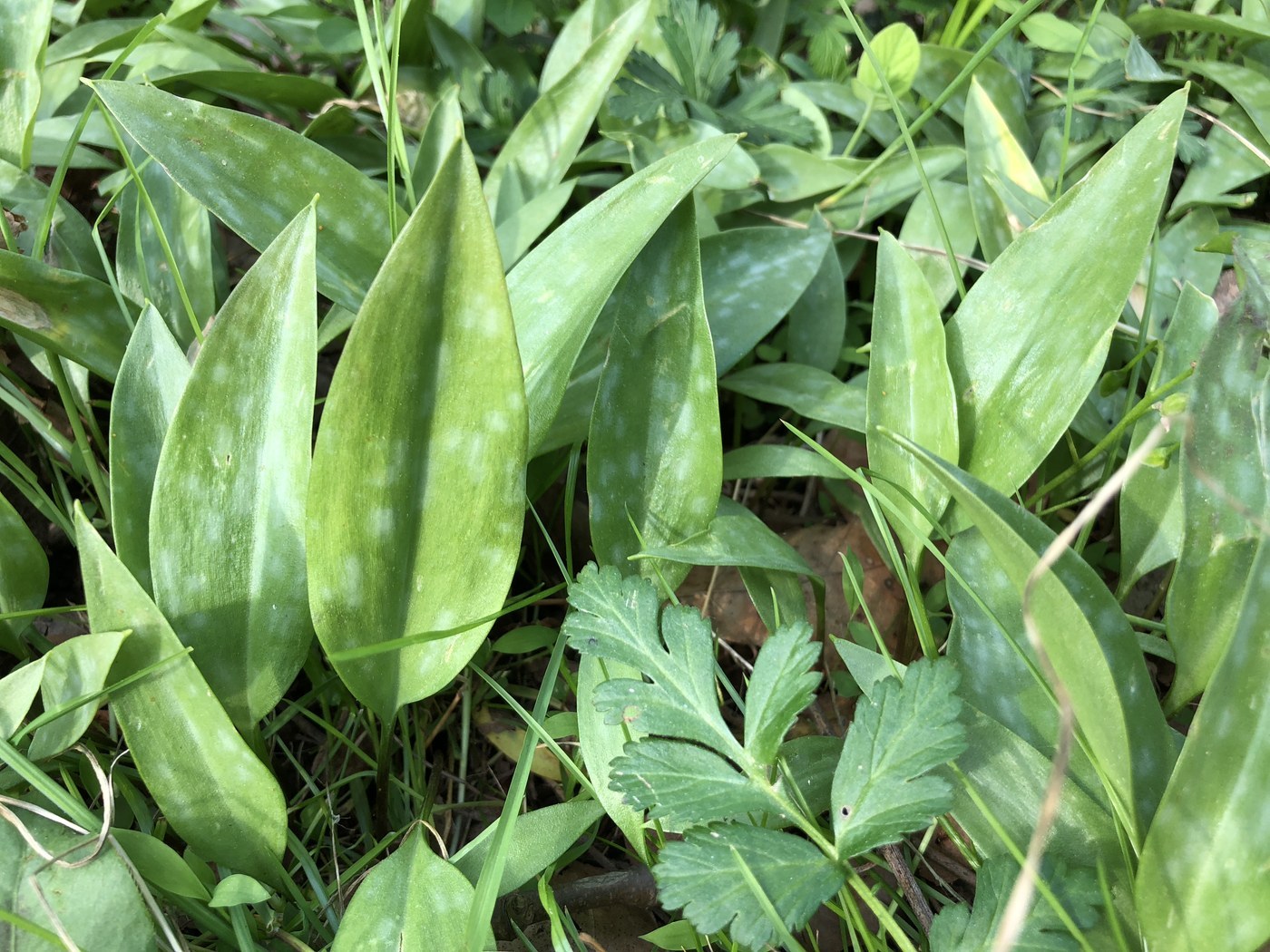
The trout lily (Erythronium americanum) is a charming native spring ephemeral, named for its mottled, trout-patterned foliage and nodding yellow, recurved flowers. It emerges early, blooms briefly, and then goes dormant, making it a lovely addition to shaded woodland gardens.
Light
Trout lily grows best in part shade to full shade, mimicking its natural home on the dappled forest floor. It thrives under deciduous trees, catching early spring sun before the canopy leafs out, then enjoying cool shade as summer arrives. Avoid hot, exposed sites.
Water
Provide moderate, consistent moisture, keeping the soil moist during the active spring growing and flowering period. Rich, humus-laden woodland soil that stays evenly damp is ideal. Once the plant goes dormant in summer, it tolerates drier conditions and needs little supplemental water.
Soil & Potting
Grow in rich, well-drained, humusy soil with plenty of leaf mold or organic matter, replicating the loose forest floor. Slightly acidic to neutral soil suits it. A natural mulch of shredded leaves helps retain moisture, keep roots cool, and feed the soil as it breaks down.
Humidity & Temperature
As a temperate woodland plant, trout lily prefers cool spring temperatures and does not require special humidity in a suitable outdoor setting. It is cold-hardy and relies on winter chill to trigger spring emergence. It naturally retreats underground before summer heat sets in.
Feeding
Heavy feeding is unnecessary. A top-dressing of leaf mold or well-rotted compost in fall or early spring supplies gentle, slow-release nutrients that mimic its natural environment. Avoid strong synthetic fertilizers, which this delicate native does not need.
Propagation
Trout lily spreads slowly by underground stolons and offset corms, gradually forming colonies over the years. Divide and replant corms while dormant in late summer, planting them a few inches deep. Seed propagation is possible but very slow, often taking several years to reach flowering size.
Repotting / Pruning
Best grown as an in-ground naturalizer rather than a potted plant, trout lily rarely needs division except to spread it to new areas. No pruning is required; simply let the foliage yellow and die back naturally after flowering so the corm can store energy for next year.
Common Problems & Pests
Trout lily is largely trouble-free when sited correctly. The main challenges are dry or sunny locations that cause premature dieback, and slow establishment and colonization. Slugs may nibble the tender foliage. Do not disturb dormant corms, as accidental digging is a common cause of loss.
Seasonal Care Tips
Enjoy the flush of foliage and flowers in early spring, keeping soil moist during this active phase. Allow the plant to yellow and go dormant by early summer without cutting it back prematurely. Refresh leaf-litter mulch in fall to protect corms and feed the soil through winter.
Frequently asked questions
Why did my trout lily disappear in summer?
That is normal. Trout lily is a spring ephemeral that blooms early, then dies back to dormant underground corms by summer, reappearing the following spring.
Where should I plant trout lily?
Plant it in part to full shade in rich, moist, humusy woodland soil, ideally under deciduous trees where it gets early spring light before the canopy fills in.
How does trout lily spread?
It spreads slowly by underground stolons and offset corms, forming colonies over several years. You can divide dormant corms in late summer to expand a planting.
Do I need to fertilize trout lily?
Not heavily. A top-dressing of leaf mold or compost in fall or early spring is plenty; it evolved for lean, humus-rich forest soil and dislikes strong fertilizers.