
How to Care for Turmeric
Grow lush turmeric as a tropical foliage plant with warmth, consistent moisture, and rich soil around its underground rhizomes.
Read the full Turmeric encyclopedia entry →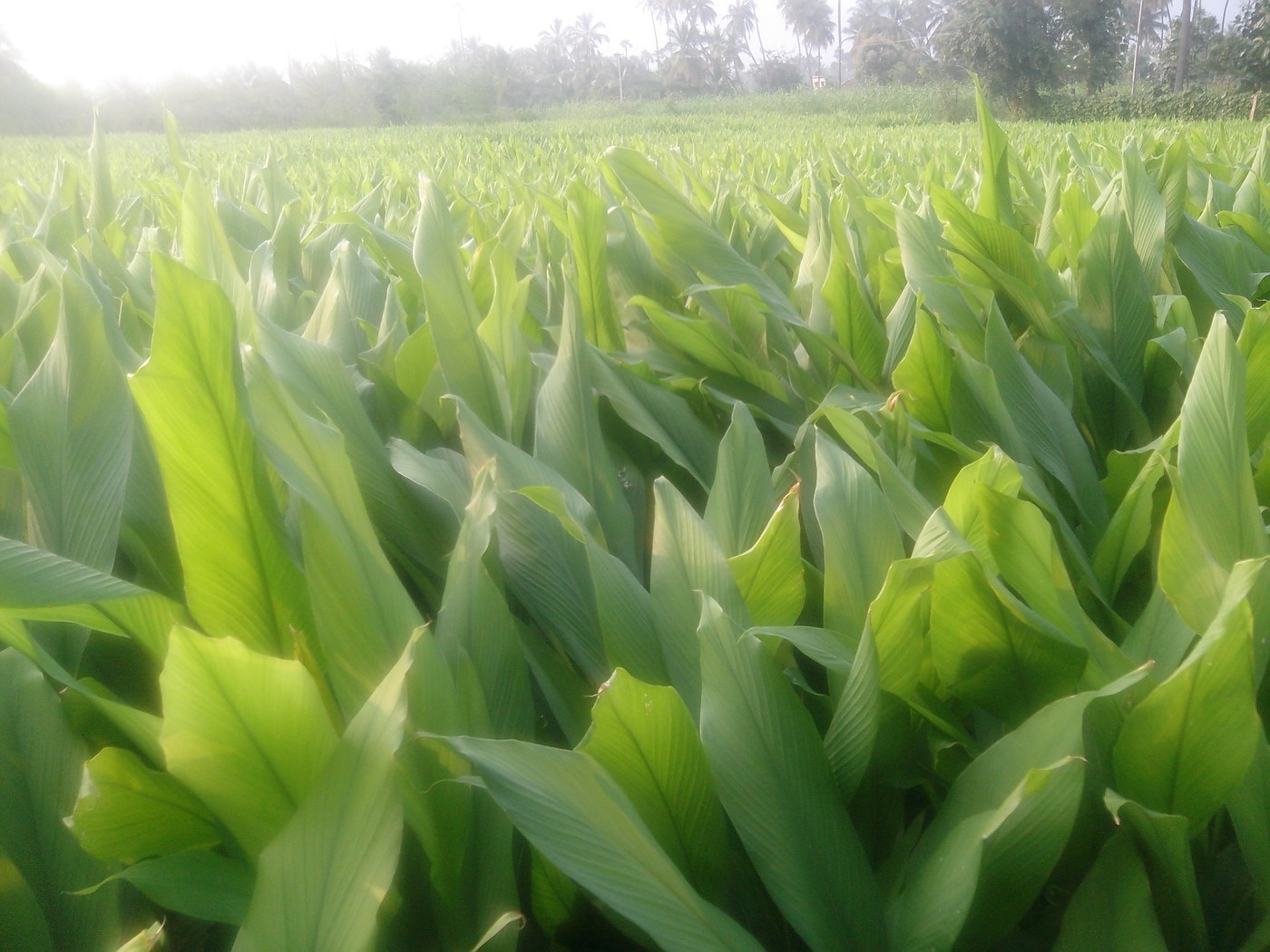
Turmeric (Curcuma longa) is a tropical rhizomatous perennial grown for its broad, ribbed, banana-like leaves and, in mature plants, striking bracted flower cones. As an ornamental it brings a lush, jungly presence to warm gardens and containers, and it is a moderate-care plant tied to a long, warm growing season.
Light
Turmeric grows best in bright indirect light to partial shade. Its large leaves scorch in harsh, direct midday sun, especially in hot climates, but it needs plenty of ambient brightness to grow vigorously. Dappled light under high canopy, an east-facing position, or morning sun with afternoon shade produces the fullest, greenest foliage. Indoors, a bright window with filtered light works well.
Water
Keep the soil consistently moist throughout the active growing season. Turmeric is a thirsty plant while in leaf and wilts or browns at the edges if it dries out. Water regularly so the medium stays evenly damp but not swampy, since the rhizomes can rot in standing water. As the plant naturally dies back toward its dormant season, reduce watering sharply and keep the soil only barely moist while the rhizomes rest.
Soil & Potting
Use a rich, loose, well-draining soil high in organic matter, such as a quality potting mix amended with compost. Good drainage protects the fleshy rhizomes while the organic content fuels the heavy leafy growth. In containers, choose a wide, deep pot to give the spreading rhizomes room, and ensure ample drainage holes. Plant rhizomes a couple of inches deep with growth buds facing up.
Humidity & Temperature
As a true tropical, turmeric loves warmth and high humidity. It thrives in consistently warm temperatures and stalls or goes dormant when it turns cool; it is not frost hardy. Aim for warm, steamy conditions, misting or grouping plants indoors to raise humidity. In cool climates, grow it in containers that can be brought inside, or lift the rhizomes to overwinter them in a warm, dry, frost-free place.
Feeding
Turmeric is a heavy feeder over its long growing season. Work compost or a balanced slow-release fertilizer into the soil at planting, then supplement with a balanced liquid feed every few weeks while the plant is in active growth. Consistent nutrition supports the large leaves and vigorous rhizome development. Stop feeding as the plant begins to die back for dormancy.
Propagation
Turmeric is propagated by dividing the rhizomes. At the start of the warm season, break a healthy rhizome into pieces, each with one or more growth buds, and plant them a couple of inches deep in warm, moist, rich soil. Sprouting can be slow and needs steady warmth, but each piece grows into a new clump. This is the standard and most reliable method.
Repotting / Pruning
Because the rhizomes multiply and spread, potted turmeric benefits from being divided and repotted into fresh soil each year, typically at the start of the growing season when dormancy ends. Little pruning is needed beyond removing yellowed or damaged leaves. As foliage naturally yellows and dies down at the end of the season, it can be cut back once fully spent.
Common Problems & Pests
The most common problem is rhizome rot from cold, waterlogged soil, so drainage and warmth are key. Leaf edges browning or scorching usually signal too much direct sun or dry air. Under stress or indoors, spider mites and occasional scale can appear on the foliage; wipe leaves and raise humidity to deter them. Slow or no sprouting is typically caused by soil that is too cool rather than a problem with the rhizome.
Seasonal Care Tips
Start rhizomes in spring once conditions are reliably warm. Through the warm months, keep the soil moist, feed regularly, and enjoy the lush foliage and any flower cones. In autumn, as growth slows and leaves yellow, reduce water and let the plant enter dormancy. Overwinter the rhizomes warm and barely moist, then divide and replant when warmth returns to begin the cycle again.
Frequently asked questions
Why did my turmeric leaves turn brown at the edges?
Brown, crispy leaf edges usually mean the plant got too much direct sun, dried out, or sat in dry air. Move it to bright indirect light or partial shade, keep the soil consistently moist during active growth, and raise humidity for lush, unmarked foliage.
My turmeric rhizome isn't sprouting. What's wrong?
The most common cause is cool soil. Turmeric needs sustained warmth to break dormancy and can take several weeks to sprout. Keep the medium warm and lightly moist rather than wet, and be patient; sprouting is slow but reliable once temperatures stay high.
Can I grow turmeric indoors or in a pot?
Yes. Use a wide, deep container with rich, well-draining soil and place it in bright indirect light. Keep it warm and humid, water to maintain even moisture, and feed during active growth. Container culture also makes it easy to bring the plant in before cold weather.
What do I do with turmeric over winter?
Turmeric is not frost hardy and naturally goes dormant. As leaves yellow and die back, cut down on watering and let it rest. In cold climates, keep the pot or lifted rhizomes warm, dry, and frost-free through winter, then divide and replant when warmth returns.