
How to Care for Turtlehead
Grow Chelone glabra, the white turtlehead, in moist, rich soil and part shade for late-summer clusters of curious turtle-shaped flowers.
Read the full Turtlehead encyclopedia entry →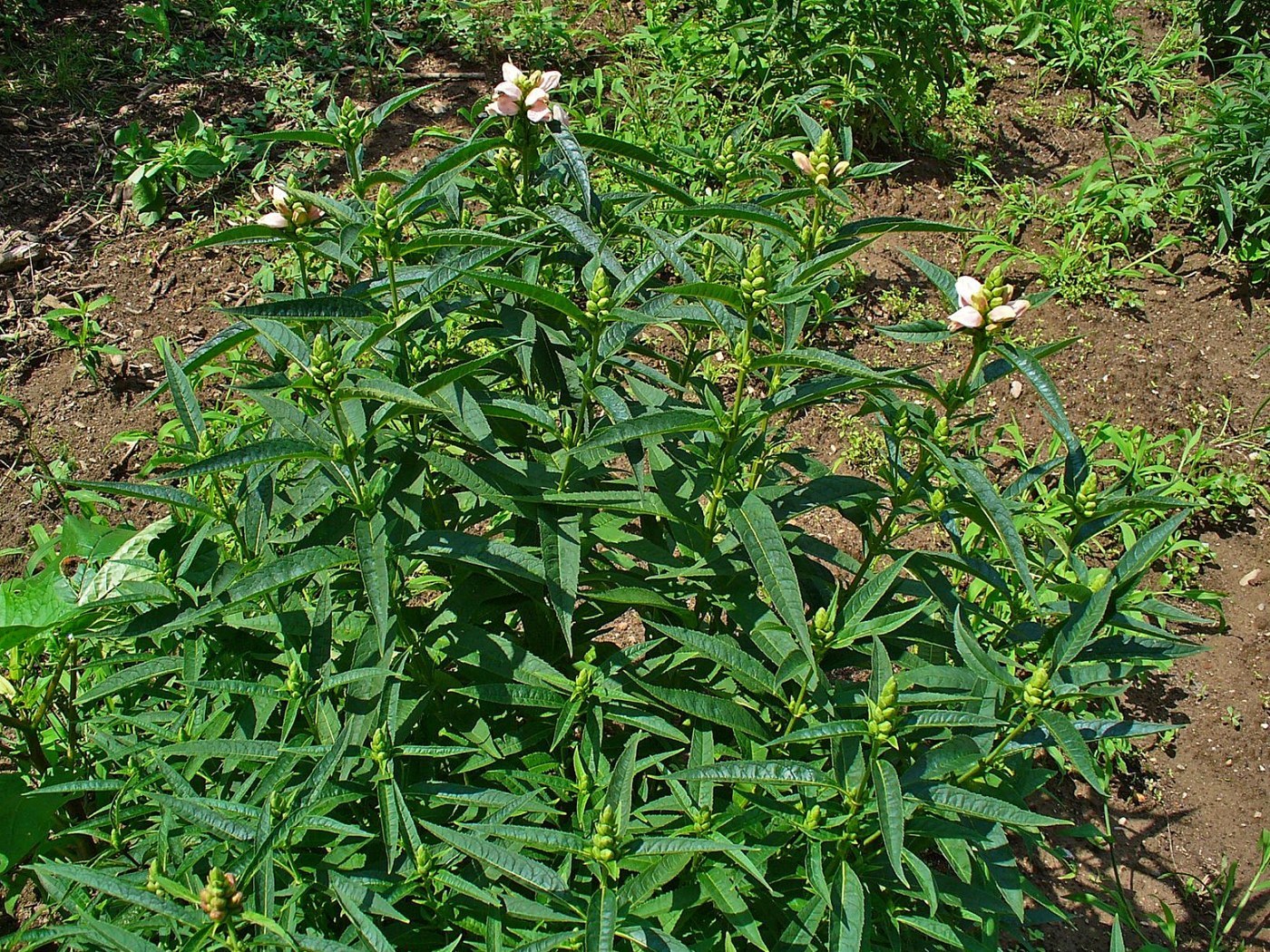
Chelone glabra, commonly called white turtlehead, is a clump-forming perennial native to wet meadows and streambanks, grown for its unusual late-summer flowers whose hooded, snapping-turtle shape gives the plant its name. Easy in the right damp conditions, it brings valuable late-season bloom and upright structure to moist borders and pond edges.
Light
Turtlehead grows in part shade to full sun, matching its listed light range. In cooler climates or consistently moist soil it takes full sun and flowers heavily, while in hotter regions it appreciates afternoon shade to prevent stress and scorching. The key trade-off is moisture: the more sun it receives, the more reliably wet the soil must be kept.
Water
This is a moisture-loving plant that needs high, consistent watering to keep the soil evenly moist at all times. It is naturally found in damp ground and even tolerates boggy conditions and occasional standing water. Never let it dry out, especially in sun and summer heat, as drought causes wilting, leaf scorch, and dropped flower buds. Mulching helps lock in moisture.
Soil & Potting
Grow in rich, humus-heavy soil that retains moisture. It thrives in the kind of fertile, water-retentive ground found along stream banks and in rain gardens, and tolerates heavy clay far better than most perennials. Work in plenty of organic matter or compost to boost both fertility and water retention. It suits pond margins and consistently damp spots where many other plants struggle.
Humidity & Temperature
Turtlehead is a cold-hardy perennial that dies back in winter and returns reliably in spring. It handles a wide range of summer temperatures as long as the soil stays moist, and it enjoys the humidity of its native wetland habitats. In hot, dry climates it is more demanding, needing extra moisture and some shade to remain healthy.
Feeding
Moderate feeding suits turtlehead. Amending the soil generously with compost or well-rotted organic matter usually provides ample nutrition. A light application of balanced fertilizer in spring supports vigorous growth and good flowering, but heavy feeding is unnecessary. Refreshing the organic mulch each year also feeds the soil gradually.
Propagation
Propagate by division, cuttings, or seed. The easiest method is dividing established clumps in spring, replanting the divisions into moist, enriched soil. Stem cuttings taken in early summer root well in a moist medium. Seed can be sown, though it benefits from a period of cold, moist stratification to germinate and may take longer to reach flowering size.
Repotting / Pruning
Divide crowded clumps every few years in spring to maintain vigor and control spread. Pinch the growing tips of young stems in late spring to encourage bushier, sturdier plants that are less likely to flop. Cut the faded stems back after flowering or leave them until you tidy the plant in late autumn or early spring. If container-grown, use a large pot with moisture-retentive soil and never let it dry out.
Common Problems & Pests
Turtlehead is largely trouble-free when kept moist. Its most common issue is stress from dry soil, causing wilting and browning leaf edges. In humid, crowded, or poorly ventilated plantings, powdery mildew and other fungal leaf spots can appear, so give plants room and good airflow. Slugs and snails may chew young foliage in damp conditions. Plants grown in too much shade or too little moisture tend to grow leggy and flower poorly.
Seasonal Care Tips
In spring, divide if needed, feed lightly, and pinch stems for bushier growth. Through summer the top priority is keeping the soil consistently moist, especially during hot, dry weather. Enjoy the distinctive flowers in late summer into early autumn, a valuable late-season bloom. After frost, cut back the dead top growth or leave it for winter interest, then refresh the mulch to protect and feed the crown.
Frequently asked questions
Why are the leaves on my turtlehead browning at the edges?
Browning, scorched leaf edges almost always mean the soil has dried out too much, especially in sun or summer heat. Turtlehead is a wetland plant that needs consistently moist soil, so increase watering and add a moisture-retaining mulch. Some afternoon shade in hot climates also reduces this stress.
Can turtlehead grow in a boggy or wet spot?
Yes, this is one of its ideal situations. Turtlehead naturally grows along stream banks and in wet meadows and tolerates boggy soil and even occasional standing water. It is an excellent choice for rain gardens, pond margins, and low, damp areas where many other perennials fail.
How do I keep my turtlehead from flopping over?
Pinch the growing tips of the stems in late spring to encourage shorter, bushier, sturdier growth. Growing the plant in slightly more sun with adequately moist soil also produces stronger stems than shade, where it tends to stretch and lean. Dividing overgrown clumps helps too.
When does turtlehead flower?
It blooms in late summer into early autumn, making it valuable for extending the flowering season when many other perennials are finished. The curious hooded flowers, resembling a turtle's head, appear in terminal clusters atop the upright stems and last for several weeks.