
How to Care for Twinflower
Delicate, shade-loving Twinflower needs cool, moist, acidic woodland soil and dappled light to carpet the ground with paired pink bells.
Read the full Twinflower encyclopedia entry →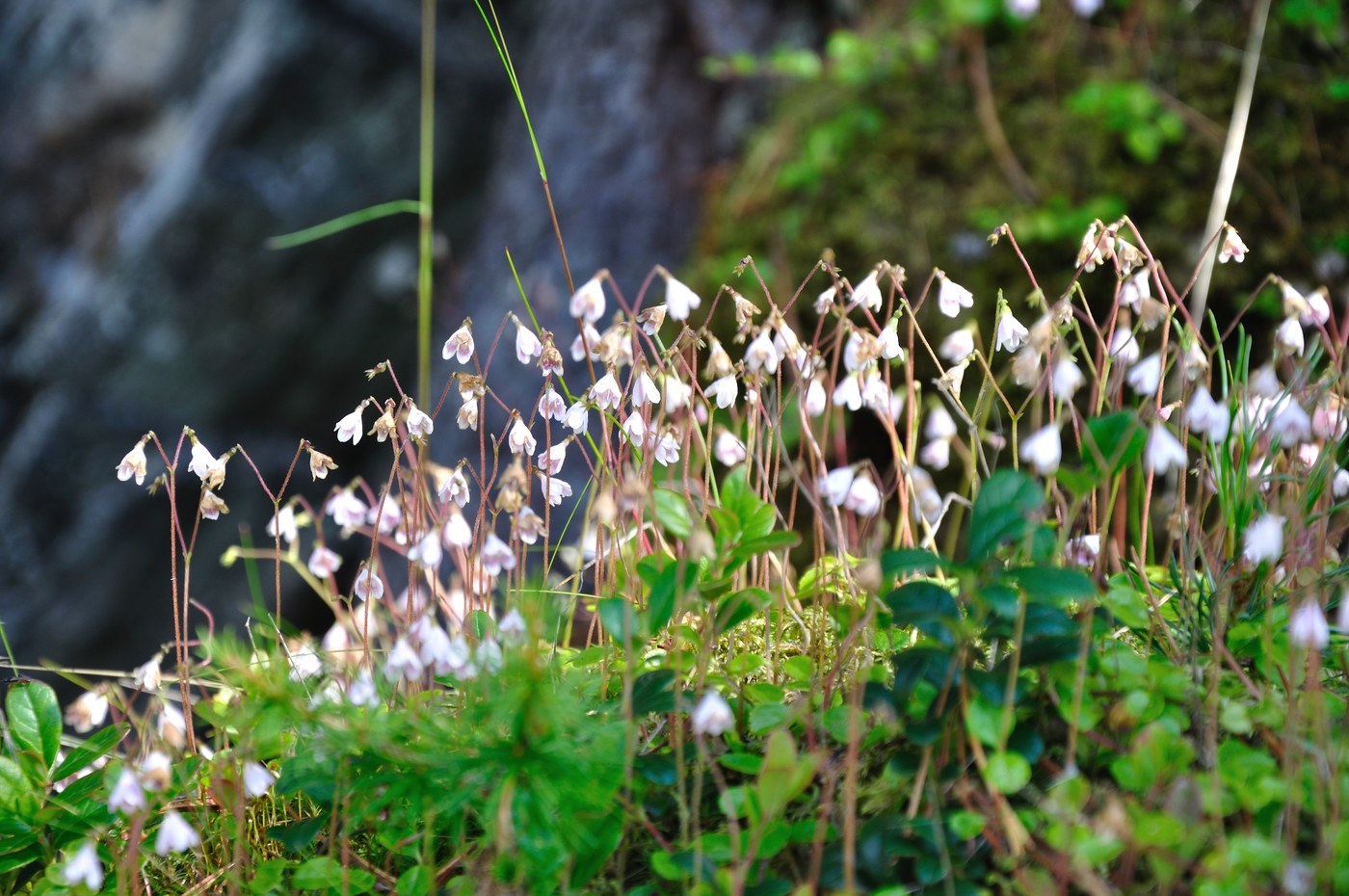
Twinflower (Linnaea borealis) is a dainty, creeping evergreen subshrub of cool northern and mountain forests, named for its paired, nodding, bell-shaped pink flowers held on slender upright stalks. It forms delicate trailing mats and rewards patient gardeners who can recreate its cool woodland home.
Light
Twinflower is a shade lover, growing best in partial to full shade beneath a tree canopy. Dappled woodland light or bright indirect light suits it; hot direct sun scorches the foliage and dries out its shallow roots. Site it on the cool, shaded side of the garden or beneath shrubs and conifers.
Water
Keep the soil evenly moist at all times — Twinflower will not tolerate drying out. It is a plant of cool, consistently damp forest floors, so water regularly and never let the root zone bake. At the same time, avoid stagnant waterlogging. A cool, moist, but well-aerated soil is the target, and a mulch of leaf litter helps hold that moisture steady.
Soil & Potting
Provide a humus-rich, acidic, moisture-retentive soil like the leaf-mold-laden ground of a coniferous forest. Blend generous amounts of composted bark, leaf mold, or peat-alternative organic matter into the bed to build the acidic, spongy texture it needs. Good drainage combined with steady moisture is ideal. In containers, use an ericaceous (acid-loving) mix and never let it dry out.
Humidity & Temperature
Twinflower is adapted to cool, humid, northern climates and dislikes heat. It thrives where summers stay mild and the air is moist, and it is very cold-hardy. In warm regions it is difficult, needing the coolest, shadiest microclimate available. Maintain ambient humidity and cool root temperatures; a shaded north-facing position or a mulched woodland bed helps most.
Feeding
This is a lean-soil woodland plant that needs little feeding. An annual topdressing of leaf mold or acidic organic compost supplies gentle, slow nutrition and maintains the humus-rich soil it prefers. Avoid strong synthetic or high-alkaline fertilizers, which can harm its fine roots and disrupt the acidic conditions it depends on.
Propagation
Twinflower is most easily propagated by its natural creeping runners: the trailing stems root at the nodes as they spread, and rooted sections can be carefully lifted and transplanted into a prepared shady, acidic bed. Keep divisions well-watered and shaded until they take hold. Layering is essentially automatic. Seed is possible but slow and often erratic, so vegetative division is the reliable route.
Repotting / Pruning
Little pruning is required. Simply tidy away dead or straggly stems and let the plant weave its delicate mat. If a container specimen becomes crowded or the soil breaks down, gently repot into fresh acidic mix in early spring, disturbing the fine roots as little as possible. Extending the mulch layer as the mat spreads keeps the runners cool and encourages rooting.
Common Problems & Pests
Twinflower's main challenges are cultural rather than pests: it fails when soil dries out, when conditions are too warm, or when the soil is too alkaline. In damp, stagnant air it can suffer fungal problems, so ensure cool but not stuffy conditions. Slugs and snails may graze the tender foliage. Success hinges on mimicking its native cool, moist, acidic woodland floor.
Seasonal Care Tips
Spring is the best time to plant, divide, and refresh mulch while the soil is cool and moist. Through summer, focus on keeping the root zone cool and consistently damp, providing shade during heat waves. In autumn, top up the leaf-litter mulch to protect the shallow roots. In winter the evergreen mats are hardy and need little attention beyond an insulating mulch in the coldest areas.
Frequently asked questions
Why is Twinflower hard to grow?
It is exacting about conditions: it needs cool temperatures, constant soil moisture, deep shade, and humus-rich acidic soil, mimicking a northern forest floor. It struggles wherever it gets too hot, too dry, or too alkaline.
How much light does Twinflower need?
Partial to full shade. Dappled woodland light or bright indirect light is ideal, while hot direct sun scorches its foliage and dries out its shallow roots.
What kind of soil does Twinflower need?
A humus-rich, acidic, moisture-retentive soil like a coniferous forest floor. Amend beds with leaf mold and composted bark, and use an ericaceous (acid-loving) mix in containers.
How do I propagate Twinflower?
The easiest method is division of its creeping runners, which root at the nodes as they spread. Lift rooted sections and transplant them into a shady, moist, acidic bed, keeping them watered until established.