
How to Care for Valerian
Grow ornamental Valerian (Valeriana officinalis) with sun to part shade and moist soil for tall, fragrant summer flowers in this garden care guide.
Read the full Valerian encyclopedia entry →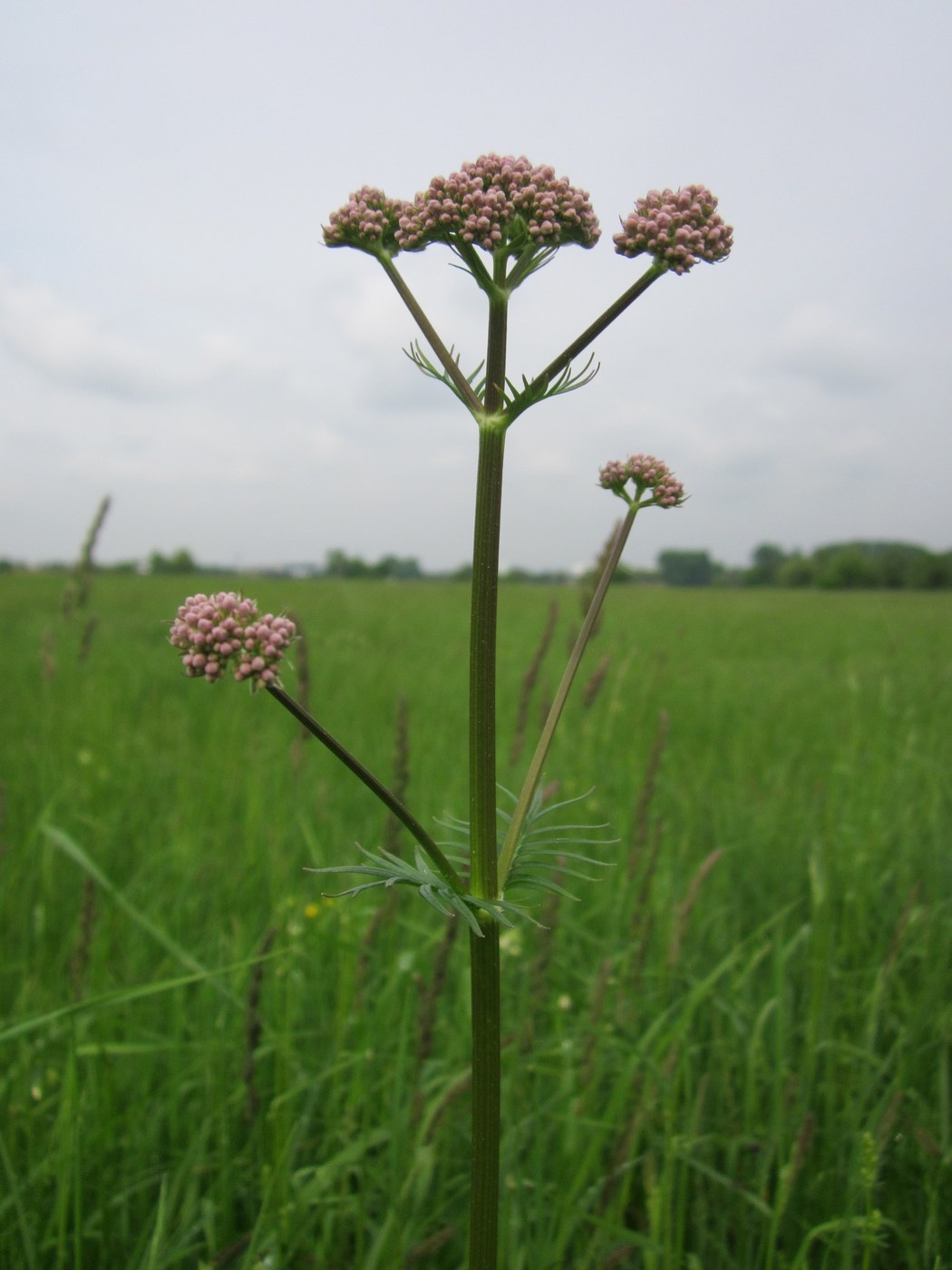
Valerian (Valeriana officinalis) is a tall, hardy perennial grown ornamentally for its clusters of small, sweetly scented pink-white flowers held on airy stems above ferny foliage. It is an easy, adaptable plant that suits cottage gardens, borders, and pollinator plantings.
Light
Valerian grows best in full sun to part shade. In cooler climates it flowers most freely in full sun, while in hot regions a little afternoon shade helps prevent stress and keeps the foliage fresh. It is quite adaptable and will tolerate dappled light, though blooming is heaviest with several hours of sun.
Water
Valerian prefers regular watering and consistently moist soil. It naturally grows near damp meadows and streamsides, so it dislikes prolonged drought. Keep the soil evenly moist, especially in the first season while plants establish and during hot, dry spells. Established plants are somewhat more forgiving but perform best when never allowed to dry out completely. Mulching helps retain moisture.
Soil & Potting
Grow Valerian in rich, moisture-retentive soil that still drains reasonably well. It thrives in loamy, fertile ground amended with compost and tolerates a wide pH range. It handles heavier soils better than many perennials thanks to its love of moisture. In containers, use a large pot with a quality potting mix and be prepared to water frequently, since this tall plant is thirsty.
Humidity & Temperature
As a temperate perennial, Valerian is cold-hardy and tolerates frost, dying back in winter and returning in spring. It grows well across a broad range of garden temperatures and does not need special humidity. It performs best in the moderate conditions of spring through early summer and can flag in extreme heat, which is why light afternoon shade helps in hot climates.
Feeding
Valerian is not a heavy feeder. Enriching the soil with compost at planting and applying a balanced general-purpose fertilizer or a topdressing of compost in spring is usually enough to support its vigorous, tall growth. Avoid excessive nitrogen, which can produce floppy stems that need staking.
Propagation
Propagate by seed, division, or basal cuttings. Sow seed in spring on the surface of moist mix, as it needs light to germinate, and keep it warm; germination can be uneven. Established clumps are easily divided in spring or fall, giving each division roots and shoots. Valerian also self-seeds readily, so deadhead spent flowers if you want to limit its spread.
Repotting / Pruning
Divide crowded clumps every few years in spring or autumn to keep plants vigorous. Deadhead faded flower clusters to prolong bloom and to reduce prolific self-seeding. After flowering, or once foliage dies back in late fall, cut stems down to tidy the plant. The tall flower stems may need staking in exposed, windy spots or overly rich soil.
Common Problems & Pests
Valerian is generally trouble-free and robust. The main issue is flopping of its tall stems, best managed with staking and by avoiding overly rich, high-nitrogen soil. Powdery mildew can appear in crowded, poorly ventilated conditions, so allow good air circulation. Occasional aphids may gather on new growth and can be rinsed off or treated with insecticidal soap. Self-seeding can become vigorous, so remove seed heads if you want to keep it contained.
Seasonal Care Tips
Plant or divide in spring or fall. Water consistently through the growing season, especially in summer heat. Flowers appear in early to midsummer; deadhead to extend bloom and control seeding. In late autumn, cut back the dying foliage and mulch the crown in colder regions to protect it over winter, after which it will resprout in spring.
Frequently asked questions
Does Valerian need full sun?
It grows in full sun to part shade. Full sun gives the most flowers in cooler climates, but a little afternoon shade is helpful in hot regions to keep the plant from stressing.
Why is my Valerian flopping over?
Valerian grows tall and its stems can flop in wind, in shade, or in overly rich soil. Provide support with stakes, site it in adequate sun, and avoid heavy nitrogen feeding to keep stems sturdier.
How do I stop Valerian from spreading everywhere?
Valerian self-seeds readily. Deadhead the spent flower clusters before they set seed to keep it from popping up throughout the garden, and divide clumps every few years to control their size.
How much water does Valerian need?
It likes consistently moist soil and dislikes prolonged drought, reflecting its native damp-meadow habitat. Water regularly, especially while establishing and during hot, dry weather, and mulch to retain moisture.