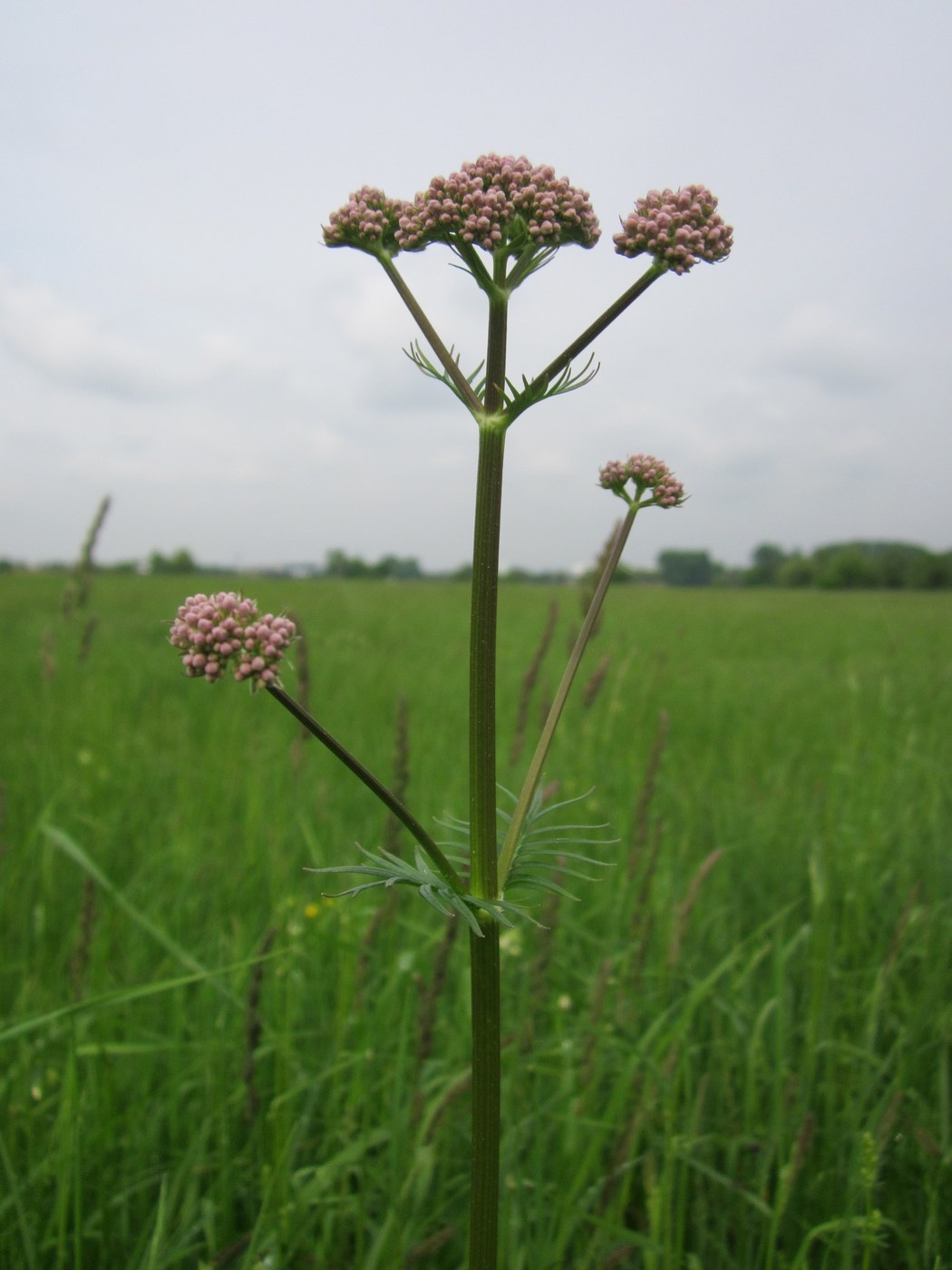
Valerian
Valeriana officinalis
Valerian is a tall perennial herb with frothy, sweetly scented flower heads borne on upright clump-forming stems. It is grown as an ornamental for its airy white-to-pink blooms and ferny foliage.
- Light
- Full sun to part shade
- Water
- Regular; prefers moist soil
- Difficulty
- Easy
Got a plant like this?
Identify any plant from a photo, free.
Overview
Valerian is a tall, clump-forming perennial in the honeysuckle family (Caprifoliaceae), reaching up to 1.5 m (5 ft) in flower. It is grown as an ornamental for its airy, frothy flower clusters and finely divided, ferny foliage.
The flowers are sweetly fragrant, while the dried roots have a famously strong, earthy, musty odor. Valerian root is also a powerful cat attractant, similar to catnip. (Note: the unrelated low-growing 'red valerian', Centranthus ruber, is a different garden plant.)
How to identify it
- Leaves: Deeply divided, fern-like, in opposite pairs, with toothed leaflets
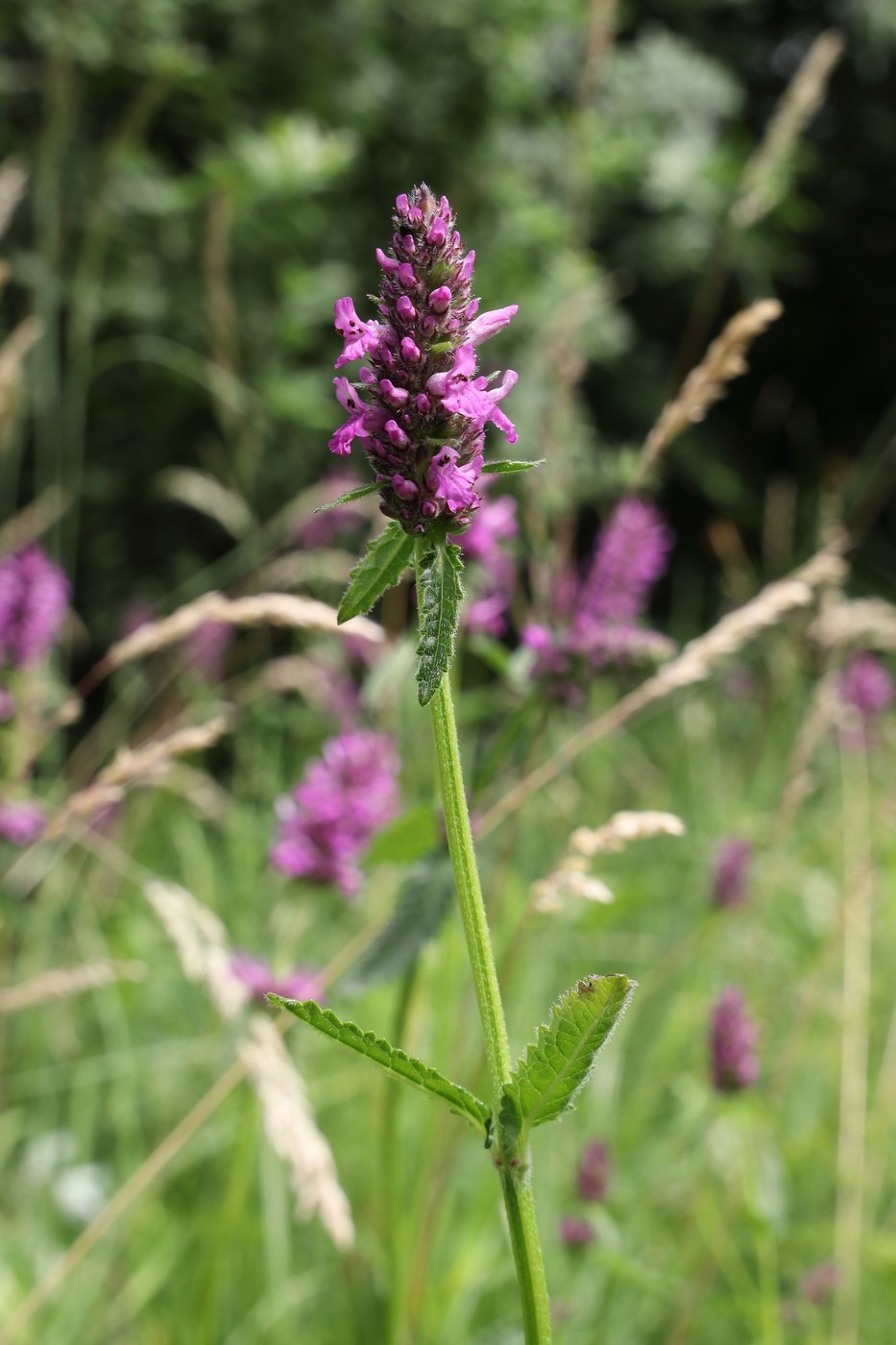
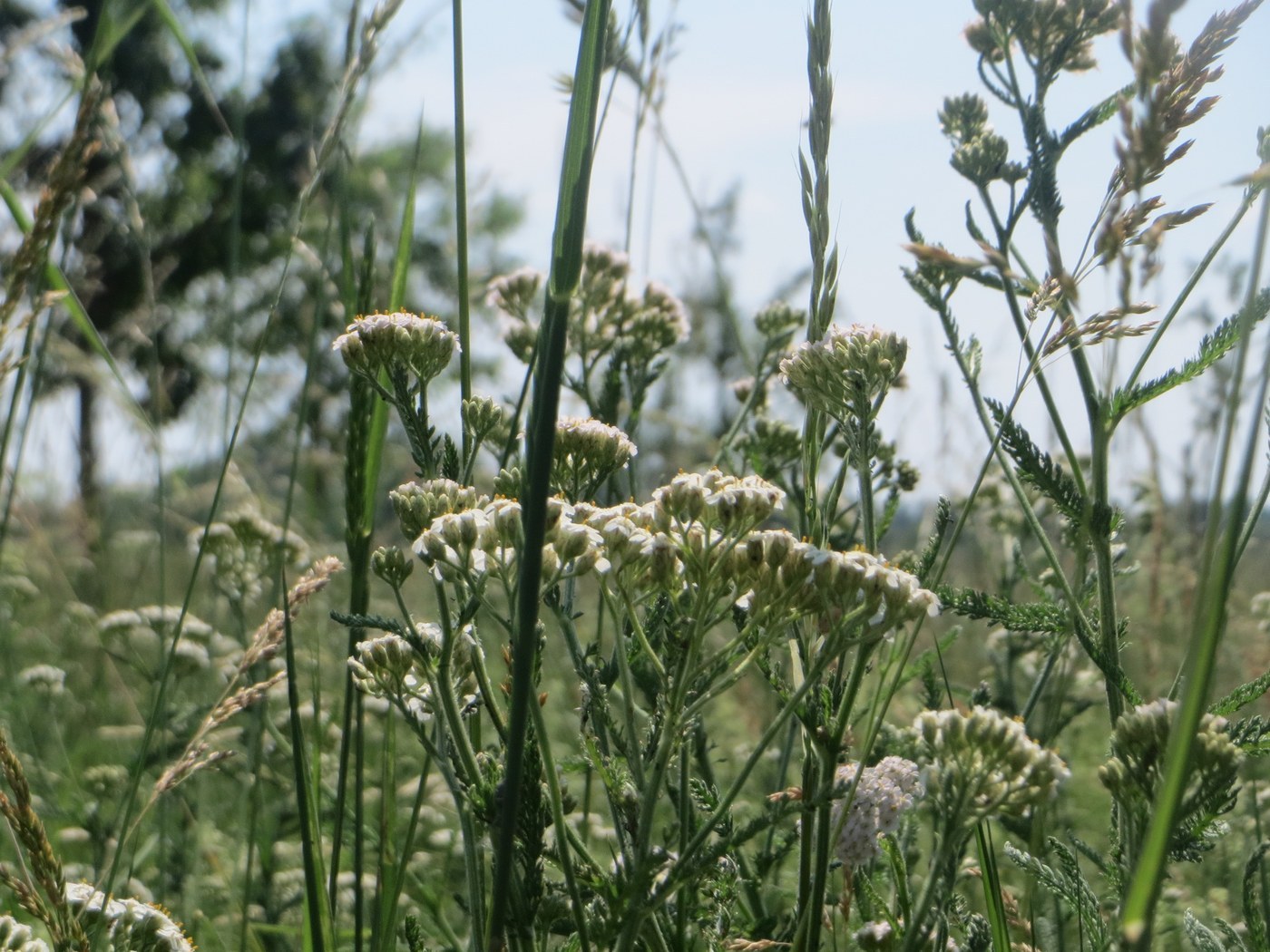
- Flowers: Many tiny white to pale-pink blooms in rounded, frothy clusters atop tall stems; sweetly scented
- Habit: Tall, erect clump reaching 1-1.5 m when flowering
- Stems: Hollow, grooved and upright
- Roots: Short rhizome with fibrous roots that develop a strong, distinctive musty odor when dried
Care & growing
- Light: Full sun to partial shade
- Water: Regular; it prefers consistently moist soil and tolerates damp ground
- Soil: Rich, moist, well-drained soil
- Temperature: Very hardy, roughly zones 4-9; dies back in winter
- Feeding: Light; thrives in fertile soil without much help
- Propagation: From seed (sow fresh, as viability fades) or by division
Habitat & origin
Valerian is native to Europe and temperate Asia, growing wild in damp meadows, woodland edges, riverbanks and ditches. It has naturalized in North America and other temperate regions.
It is cultivated in herb and ornamental gardens for its airy flowers and ferny foliage.
Frequently asked questions
Why does valerian root smell so strong?
Dried valerian root develops a strong, musty, earthy odor from compounds called valerenic and isovaleric acid. The fresh flowers, by contrast, smell sweet.
Does valerian attract cats?
Yes. Like catnip, valerian root strongly attracts many cats and can cause similar playful, excited behavior.
Is garden valerian the same as red valerian?
No. True valerian is Valeriana officinalis. 'Red valerian' (Centranthus ruber) is an unrelated ornamental with reddish flowers.
Valerian guides
In-depth guides for identifying, growing, and caring for Valerian.
How to Care for Valerian
Grow ornamental Valerian (Valeriana officinalis) with sun to part shade and moist soil for tall, fragrant summer flowers in this garden care guide.
Valerian Identification Guide
Identify common valerian by its tall hollow stems, deeply divided fern-like leaves, domed clusters of fragrant pale pink flowers, and the strong musky smell of its roots.