
How to Care for Velvet Shield Anthurium
Grow Anthurium clarinervium for its dramatic velvety, silver-veined heart-shaped leaves with bright indirect light and airy soil.
Read the full Velvet Shield Anthurium encyclopedia entry →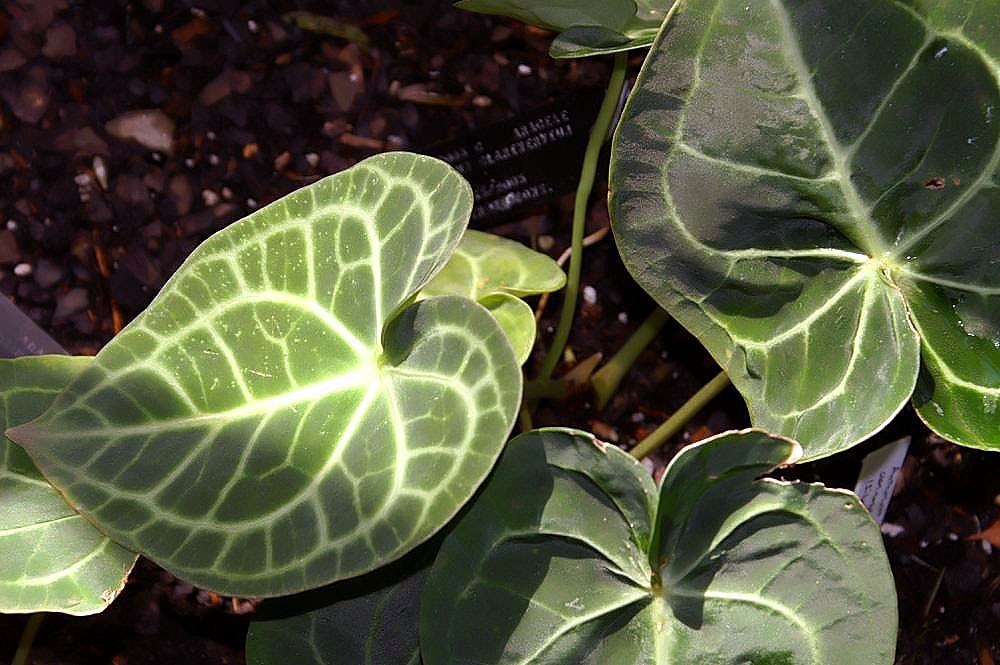
The Velvet Shield Anthurium (Anthurium clarinervium) is a slow-growing epiphytic aroid prized for its thick, dark green, heart-shaped leaves marked with bold, contrasting silver veins and a suede-like matte finish. As a moderate-difficulty houseplant, it rewards attention to airflow, humidity, and a chunky, fast-draining mix.
Light
Give this anthurium bright indirect light for the best leaf color and compact form. An east-facing window or a spot a few feet back from a south or west window works well. Protect it from direct midday sun, which scorches the velvety surface and fades the veining. In dim light the plant produces smaller, longer-petioled leaves and grows sluggishly, so supplement with a grow light in dark rooms.
Water
Water when the top inch of the mix dries out, then water thoroughly until it drains freely from the pot. This is an epiphyte with fleshy roots that resent staying soggy, so never let the pot stand in water. Let the surface dry slightly between waterings but do not allow the whole rootball to go bone dry. Use room-temperature water and reduce frequency in winter when growth slows.
Soil & Potting
Use a very chunky, airy aroid mix rather than dense potting soil. A blend of orchid bark, perlite, coco chips or coco coir, and a little charcoal creates the open structure the roots crave. Always plant in a container with drainage holes. The mix should hold light moisture yet drain quickly so air reaches the roots between waterings.
Humidity & Temperature
This species loves high humidity, ideally 60 percent or more, which keeps the veining crisp and the leaf edges from browning. Group it with other plants, run a humidifier, or use a pebble tray to raise ambient moisture. Keep temperatures between roughly 65 and 80 F (18 to 27 C) and shield it from cold drafts, heating vents, and air conditioning blasts.
Feeding
Feed during the active growing season, spring through early fall, with a balanced or slightly nitrogen-forward liquid fertilizer diluted to half strength every four to six weeks. Anthuriums are light feeders; over-fertilizing causes salt buildup and brown leaf tips. Flush the pot with plain water occasionally and pause feeding in winter.
Propagation
Propagate by division when repotting a mature, multi-crowned plant. Gently tease apart the rhizome so each section has roots and at least one leaf, then pot up separately in the same chunky mix. Fresh seed is possible but slow and rarely practical at home. Keep new divisions warm, humid, and out of direct sun until they establish.
Repotting / Pruning
Repot every two to three years or when roots crowd the pot, stepping up just one size to avoid a large volume of wet mix around the roots. Spring is ideal. Pruning is minimal: simply trim off old, yellowing, or damaged leaves at the base with clean scissors to keep the plant tidy and direct energy to new growth.
Common Problems & Pests
Brown, crispy leaf edges usually signal low humidity or inconsistent watering. Yellowing lower leaves often mean overwatering or compacted mix. Watch for spider mites, mealybugs, thrips, and scale, especially in dry indoor air; wipe leaves and treat with insecticidal soap or horticultural oil at the first sign. Good airflow and clean foliage go a long way toward prevention.
Seasonal Care Tips
In spring and summer, expect steady new leaves; keep feeding and maintain humidity. In fall and winter, reduce watering, stop fertilizing, and move the plant away from cold glass and heat sources. Wipe the velvety leaves gently with a soft, dry brush rather than a wet cloth to avoid water spotting.
Frequently asked questions
Why are the leaves on my Anthurium clarinervium losing their silver veining?
Faded veins usually come from too little light or too much direct sun. Move it to bright indirect light and it should regain contrast on new leaves.
How often should I water a Velvet Shield Anthurium?
Water when the top inch of the chunky mix dries out, then drain fully. This is often about once a week in summer and less in winter.
Why are the leaf tips turning brown?
Brown tips typically indicate low humidity or mineral buildup. Raise humidity above 60 percent and flush the pot with plain water periodically.
Does this anthurium need a special potting mix?
Yes. Use a chunky aroid mix of orchid bark, perlite, and coco chips so the fleshy roots get air and never sit in soggy soil.