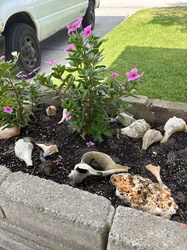
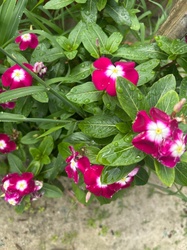
How to Care for Vinca
Vinca (Catharanthus roseus) is a heat-loving annual with glossy leaves and nonstop pinwheel blooms that thrives on sun and lean water.
Read the full Vinca encyclopedia entry →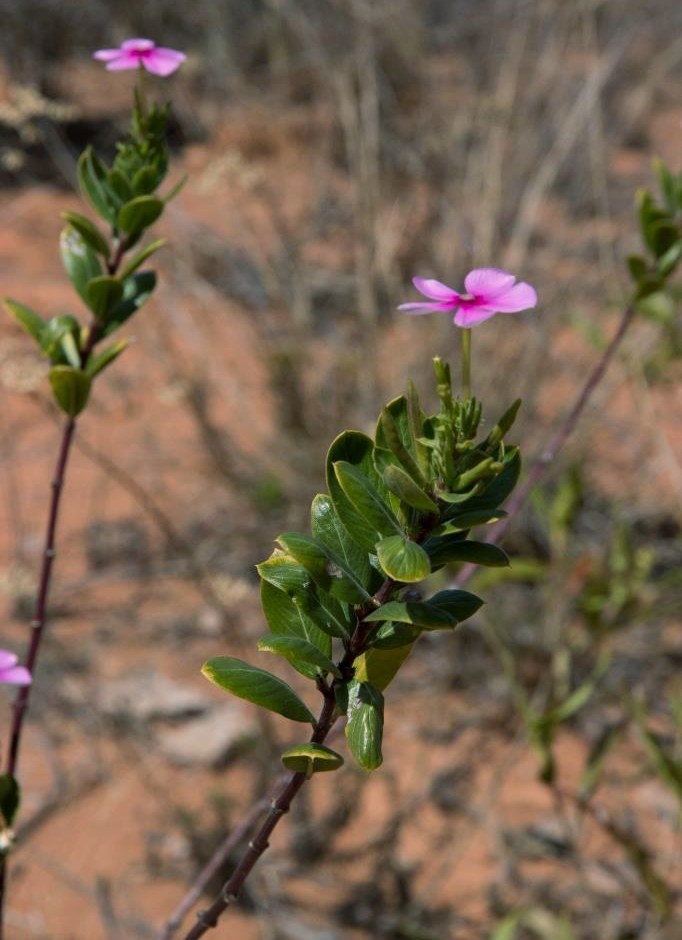
Vinca, sometimes called annual periwinkle, is a compact bedding flower prized for its glossy dark-green foliage and continuous flush of five-petaled blooms in white, pink, rose, and lavender. It loves heat and shrugs off drought, making it one of the easiest summer performers for hot, sunny spots.
Light
Give vinca full sun for the strongest flowering and the most compact, sturdy growth. It tolerates a little afternoon shade in extremely hot regions, but too much shade causes leggy stems and sparse blooms. A minimum of six hours of direct sun daily keeps it dense and floriferous.
Water
Vinca prefers to run on the dry side. Let the top inch or two of soil dry out between waterings, then water deeply. It is notably drought tolerant once established and resents soggy conditions, which are the fastest way to trigger root and stem rot. Water at the base rather than overhead to keep foliage dry.
Soil & Potting
Plant in light, fast-draining soil. Sandy or loamy mixes amended with a little compost work well, and containers should always have drainage holes. Vinca dislikes heavy, waterlogged clay; if your soil is dense, plant in raised beds or add grit and compost to open it up. A slightly acidic to neutral pH is ideal.
Humidity & Temperature
This is a true warm-season plant that revels in heat and humidity and will not perform until soil and air are reliably warm. Do not plant out until nights stay above roughly 60F (16C). It stalls and yellows in cool, damp spring weather, so patience early in the season pays off.
Feeding
Vinca is a light feeder. A slow-release fertilizer worked in at planting, or a diluted balanced liquid feed every three to four weeks, is plenty. Avoid overfeeding with high nitrogen, which pushes soft leafy growth at the expense of flowers.
Propagation
Vinca is most commonly grown from seed started indoors eight to twelve weeks before warm weather; seeds need warmth and darkness to germinate and can be slow. Stem cuttings taken from healthy plants also root in a warm, humid environment.
Repotting / Pruning
Vinca is self-cleaning and rarely needs deadheading. Light pinching of young plants encourages branching and a fuller mound. In containers, pot into a slightly larger vessel if roots fill the pot, but this annual generally completes its life cycle in one season.
Common Problems & Pests
The main threat is overwatering, which causes root rot, stem blight, and sudden collapse, especially in cool wet weather. Provide good air circulation and dry conditions to prevent fungal aerial phytophthora. Watch for occasional aphids and spider mites; rinse them off or treat with insecticidal soap.
Seasonal Care Tips
Plant only after all danger of cold has passed and soil is warm. Through summer, let it bask and dry between waterings for peak bloom. In frost-free climates it may persist as a short-lived perennial; elsewhere treat it as an annual and replant each year once heat returns.
Frequently asked questions
Why is my vinca turning yellow?
Yellowing almost always signals overwatering or cold soil. Vinca hates wet feet and cool conditions; let the soil dry between waterings and wait for warm weather before planting out.
How much sun does vinca need?
At least six hours of direct sun daily. Full sun produces the most compact plants and the heaviest bloom; too much shade makes it leggy with few flowers.
Does vinca need deadheading?
No. Vinca is self-cleaning and drops spent blooms on its own, so it flowers continuously without deadheading.
How often should I water vinca?
Only when the top inch or two of soil is dry. It is drought tolerant and prefers to run dry rather than stay constantly moist.
Vinca identified by the community
Recent Vinca specimens identified with Plant Identifier.