
How to Care for Virginia Bluebells
A shade-loving spring ephemeral prized for pink buds opening to nodding sky-blue bells before summer dormancy.
Read the full Virginia Bluebells encyclopedia entry →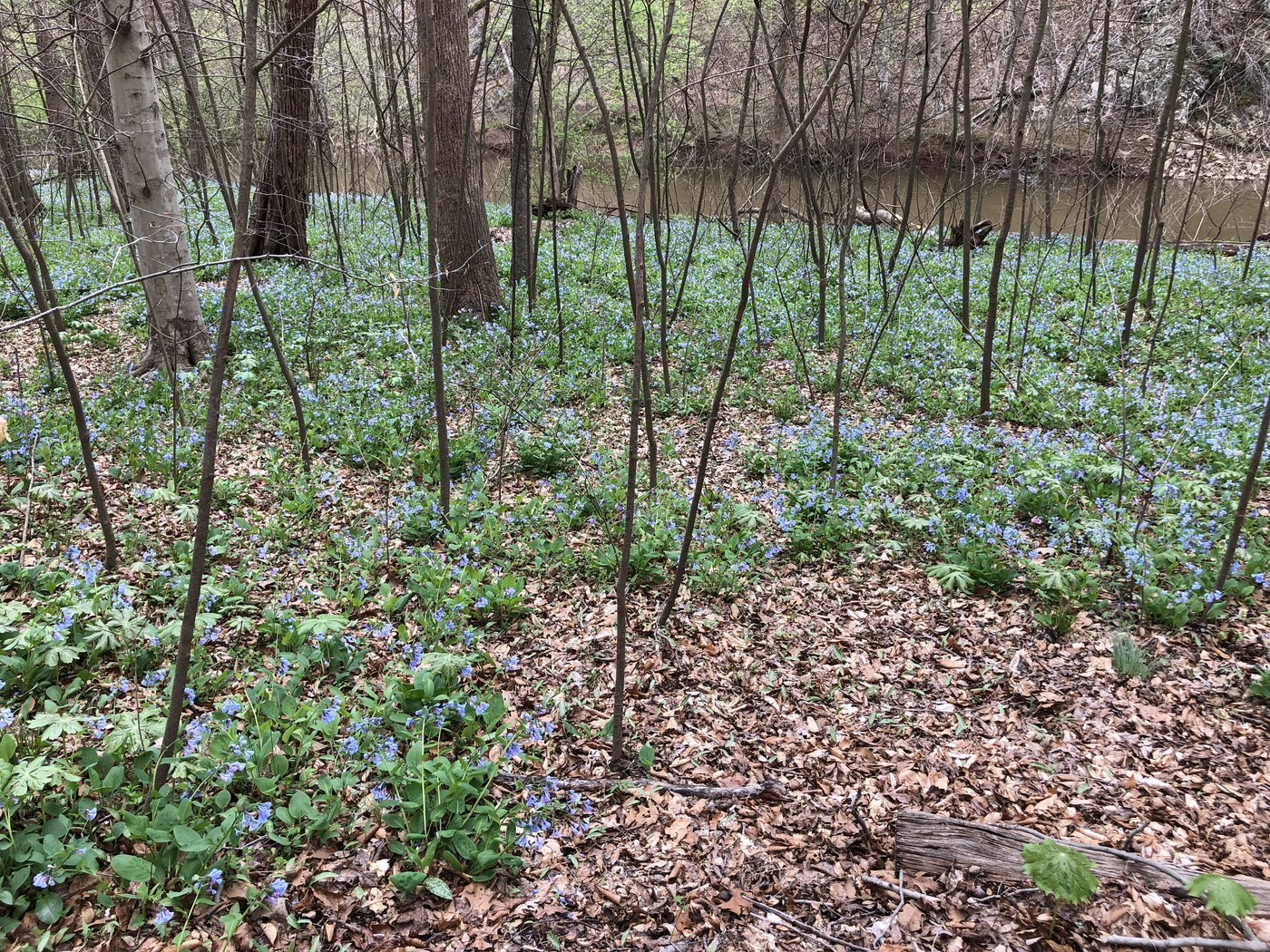
Virginia Bluebells (Mertensia virginica) are a beloved woodland spring ephemeral that emerge with purple-tinged foliage, unfurl clusters of pink buds that mature to nodding sky-blue trumpets, then quietly go dormant by early summer. They are an easy, low-maintenance choice for shaded gardens where you want a burst of early-season color.
Light
Plant in part shade to full shade. Virginia Bluebells are naturally an understory plant, thriving beneath deciduous trees where they catch early spring sun before the canopy leafs out, then enjoy cooler shade as the season warms. Dappled light is ideal; avoid hot, exposed full-sun sites, which shorten the bloom and hasten dormancy.
Water
Keep the soil consistently moist during the active growing and flowering period in spring. These plants love the damp, humus-rich conditions of a woodland floor. Once the foliage yellows and the plant enters summer dormancy, watering needs drop to almost nothing, as the roots rest until the following spring.
Soil & Potting
Grow in rich, loose, humus-heavy soil that drains well yet retains spring moisture, mimicking a leaf-litter woodland floor. A slightly acidic to neutral pH suits them best. Work in generous amounts of compost or leaf mold at planting. A layer of shredded-leaf mulch helps hold moisture and steadily feeds the soil.
Humidity & Temperature
A classic temperate-zone perennial hardy roughly in USDA zones 3-8, Virginia Bluebells welcome cool spring weather and a real winter chill to set the following year's growth. They tolerate the humidity of shaded, sheltered gardens well and do not need any special humidity management.
Feeding
These are light feeders. An annual spring top-dressing of compost or leaf mold provides all the nutrition they typically need. If growth seems weak, a balanced slow-release fertilizer applied as new foliage emerges is plenty; avoid heavy feeding, which is unnecessary for this naturalizing woodlander.
Propagation
Propagate by division of the dormant rootstock in late summer or early fall, or by sowing fresh seed. Seed benefits from a cold, moist stratification period over winter and may take a season or two to establish. Established colonies also self-sow readily, gradually forming drifts across a shaded bed.
Repotting / Pruning
Virginia Bluebells resent frequent disturbance, so divide only when necessary and always while dormant. No pruning is required. Resist the urge to cut back the yellowing foliage too early; let the leaves die down naturally so the plant can store energy for next year. Simply tidy away the spent foliage once it has fully withered.
Common Problems & Pests
This is a remarkably trouble-free plant. The main challenge is siting: too much sun or dry soil causes premature dormancy and stunted blooms. Slugs and snails may nibble the tender emerging foliage in wet springs. Because the plants disappear by midsummer, mark their location to avoid accidentally digging into the crowns when planting summer companions.
Seasonal Care Tips
In early spring, ensure the soil stays moist as shoots emerge and flowers open. Refresh leaf-mold mulch after bloom. Through early summer, allow the foliage to yellow and die back undisturbed. Interplant with ferns, hostas, or other shade perennials that fill the gap left when the bluebells go dormant. In fall, divide if needed and top-dress with compost heading into winter.
Frequently asked questions
Why do my Virginia Bluebells disappear in summer?
This is completely normal. Virginia Bluebells are spring ephemerals: they grow, bloom, and set seed in spring, then go fully dormant by early summer, vanishing until the following year. Mark their spot so you don't dig into them.
How much sun do Virginia Bluebells need?
They prefer part shade to full shade, ideally the dappled light beneath deciduous trees that lets them catch early spring sun before the canopy fills in. Hot full sun shortens bloom and forces early dormancy.
Can I grow Virginia Bluebells from seed?
Yes. Sow fresh seed and provide a cold, moist stratification period over winter. Germination can be slow and plants may take a year or two to bloom, but established colonies also self-sow to form natural drifts.
When should I divide Virginia Bluebells?
Divide the dormant rootstock in late summer or early fall while the plant is resting. They dislike disturbance, so only divide when you truly need to expand or relocate a colony.