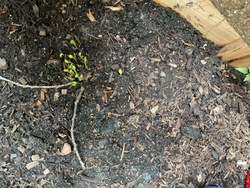
How to Care for Watermelon
Grow Watermelon (Citrullus lanatus), a heat-loving trailing vine that needs full sun, warm soil, and deep, steady watering.
Read the full Watermelon encyclopedia entry →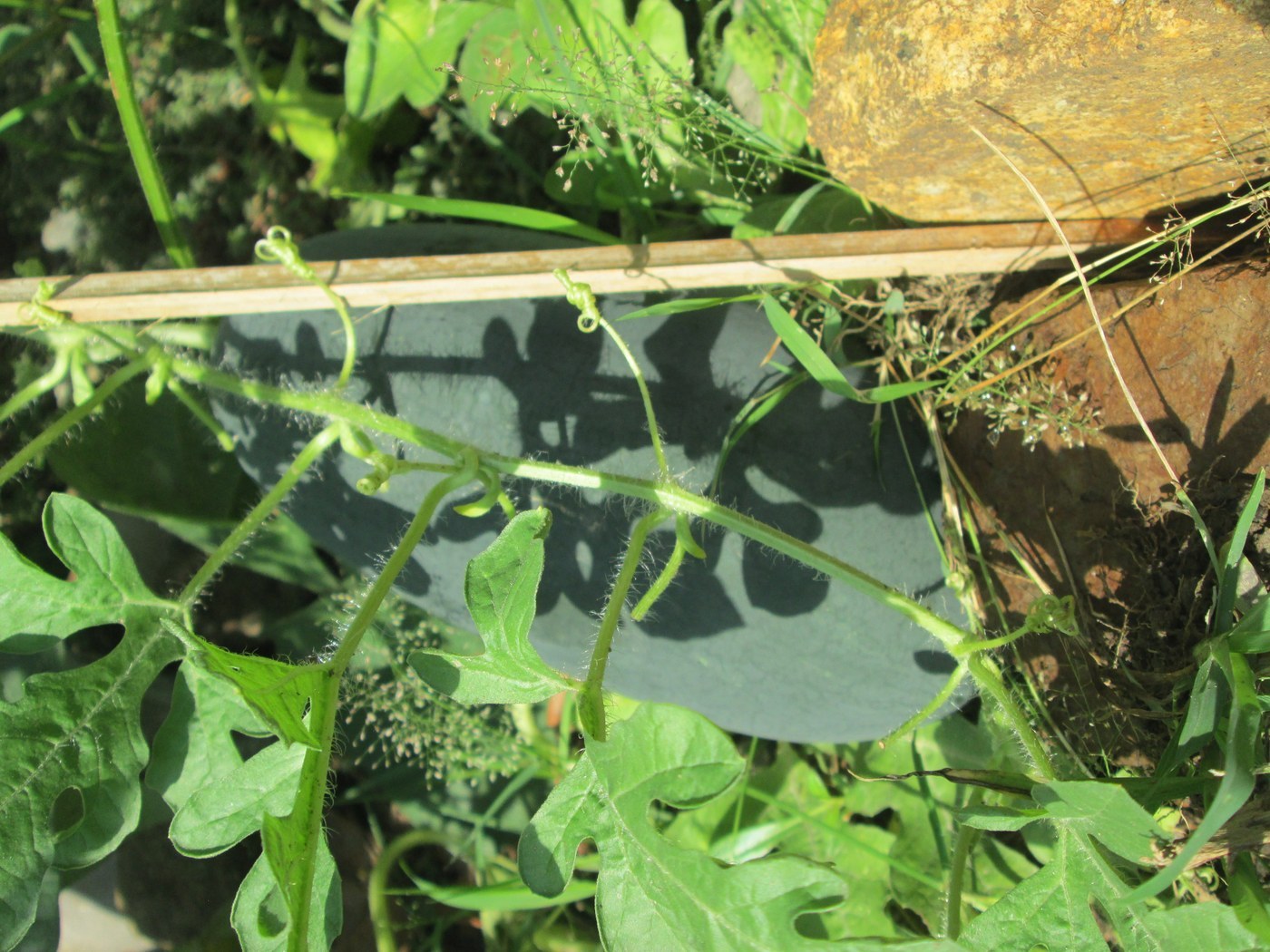
Watermelon (Citrullus lanatus) is a sprawling, warmth-craving annual vine grown for its long trailing stems, lobed leaves, and large decorative fruit. It rewards a long, hot season with vigorous, ground-covering growth.
Light
Watermelon demands full sun, at least eight hours of direct light daily, to power its rapid vine growth and fruit development. Shade slows the vines, encourages disease, and reduces fruit set, so choose the sunniest, most open spot in the garden.
Water
Provide deep, regular watering while vines are growing and fruit is sizing up, keeping the soil evenly moist but never waterlogged. Aim to water at the base rather than overhead to keep foliage dry. As the fruit approaches full size and maturity, ease off watering to concentrate the vine's energy and firm up the crop, matching the plant's stated need to reduce moisture near harvest.
Soil & Potting
Grow watermelon in loose, deep, well-drained soil enriched with plenty of compost. A slightly sandy loam that warms quickly is ideal, and a near-neutral to slightly acidic pH suits it well. Planting on raised mounds or hills improves drainage and warms the root zone. Because of their sprawling habit, watermelons are best grown in the ground or very large beds rather than ordinary containers.
Humidity & Temperature
This is a tropical-origin plant that needs sustained heat: warm days, warm nights, and warm soil above roughly 21C/70F for good germination and growth. It is highly frost-sensitive and stalls in cool weather. Moderate humidity is fine, but prolonged wet, humid conditions raise the risk of foliar disease.
Feeding
Feed generously early on with a balanced fertilizer to build strong vines, then shift toward a lower-nitrogen, higher-potassium and phosphorus feed once flowering begins to favor fruit over leaf. Excess nitrogen produces lush foliage at the expense of fruit, so taper it as the plant matures.
Propagation
Watermelon is grown from seed. Sow directly into warm soil after all frost danger has passed, or start seeds indoors a few weeks early in biodegradable pots to avoid disturbing the sensitive roots when transplanting. Provide bottom warmth for quick, even germination.
Repotting / Pruning
As a fast annual, watermelon is not repotted; if started in pots, transplant carefully once soil is warm. Pruning is optional: you can pinch back excess lateral runners to focus energy, and thinning to a few developing fruits per vine can improve their size. Handle vines gently to avoid snapping the brittle stems.
Common Problems & Pests
Cucumber beetles, aphids, squash bugs, and spider mites are common pests, while powdery mildew, downy mildew, anthracnose, and fusarium wilt are frequent diseases in damp conditions. Poor fruit set often means too few pollinators, so encourage bees or hand-pollinate female flowers. Blossom-end problems and cracking usually trace back to uneven watering.
Seasonal Care Tips
Wait until the soil is thoroughly warm before planting; using black plastic mulch or row covers early can speed things along in cooler regions. Water deeply and consistently through the main growing phase, then reduce moisture as fruit matures. Protect young plants from any late cold snaps, and give the long vines plenty of room to sprawl.
Frequently asked questions
How much sun does watermelon need?
Full sun, ideally eight or more hours of direct light per day. Shade slows the vines and reduces fruit set.
Why are my watermelon flowers not setting fruit?
Poor fruit set is usually a pollination problem. Watermelons have separate male and female flowers, so encourage bees or hand-pollinate the female blooms.
Should I reduce watering as the fruit matures?
Yes. Water deeply and regularly during vine growth and fruit sizing, then ease off as the fruit nears full maturity to firm up the crop.
Can I grow watermelon in a container?
It is difficult because of the sprawling vines and heavy root demand. Choose the smallest bush-type varieties and a very large container if you must, but open ground is far better.
Watermelon identified by the community
Recent Watermelon specimens identified with Plant Identifier.