How to Care for Wax Plant
Grow a lush Hoya carnosa with the right light, careful watering, and patience for its fragrant, star-shaped flower clusters.
Read the full Wax Plant encyclopedia entry →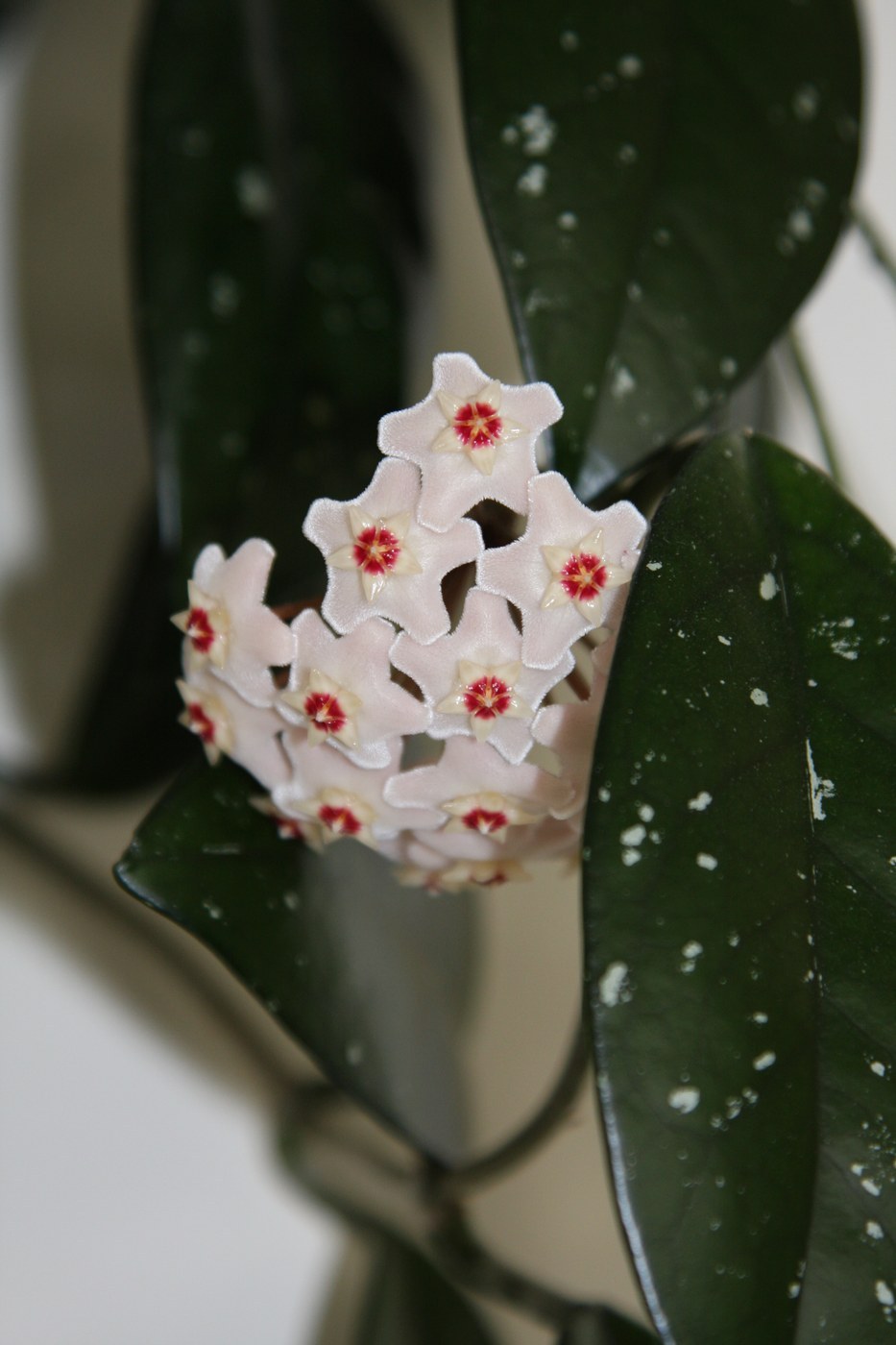
The Wax Plant (Hoya carnosa) is a long-lived, semi-succulent trailing vine prized for its thick glossy leaves and clusters of star-shaped, waxy flowers. It is forgiving and slow to sulk, making it an excellent easy-care houseplant.
Light
Give it bright indirect light for the best growth and flowering. A spot a few feet back from an east or west window, or near a bright south window with a sheer curtain, is ideal. Too little light produces leggy vines and few blooms, while harsh direct midday sun can scorch and yellow the leaves.
Water
Water thoroughly when the soil has mostly dried out, then let it dry between waterings. As a semi-succulent, the Wax Plant stores moisture in its leaves and resents soggy roots. Water less in winter when growth slows. Slightly underwatering is far safer than overwatering, which causes soft, dropping leaves.
Soil & Potting
Use a light, fast-draining mix. A blend of standard potting soil with added orchid bark, perlite, and a little coarse sand mimics its epiphytic nature. Always plant in a pot with drainage holes. Hoyas actually bloom better when slightly root-bound, so avoid oversized containers.
Humidity & Temperature
Average room humidity is fine, though it appreciates moderately humid air (50 percent or higher) and will look glossier for it. Keep temperatures between roughly 60 and 80 degrees Fahrenheit and protect it from cold drafts and temperatures below 50 degrees.
Feeding
Feed with a balanced, diluted liquid fertilizer every 3 to 4 weeks during spring and summer. A bloom-boosting formula higher in phosphorus can encourage flowering. Stop feeding in fall and winter.
Propagation
Propagate easily from stem cuttings with one or two nodes. Root cuttings in water, moist sphagnum moss, or a well-draining mix. Keep warm and bright, and roots typically form within a few weeks.
Repotting / Pruning
Repot only every 2 to 3 years, or when badly root-bound. Prune sparingly to shape or control length, but never remove the leafless flower stalks called peduncles, as the plant reblooms from these same spurs year after year.
Common Problems & Pests
Mealybugs and aphids are the most common pests, often hiding in flower clusters and leaf joints; wipe them off or treat with insecticidal soap. Yellowing, soft leaves signal overwatering, while shriveled leaves mean it is too dry. Failure to bloom is usually caused by insufficient light or too much repotting.
Seasonal Care Tips
In spring and summer, give bright light and steady feeding to fuel growth and blooms. In fall and winter, reduce watering and stop fertilizing as the plant rests. A cool, slightly drier winter rest often improves the following season's flowering.
Frequently asked questions
Why won't my Wax Plant bloom?
Most often it needs more bright indirect light. Flowering also improves when the plant is slightly root-bound and mature, so avoid frequent repotting and never cut off the old flower spurs.
Should I cut off the old flower stalks?
No. Hoya carnosa reblooms from the same leafless peduncles each season, so leave them attached even after the flowers fade.
How often should I water my Wax Plant?
Water thoroughly once the soil has mostly dried out, then let it dry again between waterings. Reduce watering noticeably in winter.
Why are the leaves turning yellow and soft?
Soft, yellowing leaves usually indicate overwatering or poor drainage. Let the soil dry more between waterings and ensure the pot drains freely.
Wax Plant identified by the community
Recent Wax Plant specimens identified with Plant Identifier.