
Weeping Birch Identification Guide
Identify the weeping form of silver birch (Betula pendula) by its white peeling bark, drooping branchlets, and diamond-shaped serrated leaves.
Read the full Weeping Birch encyclopedia entry →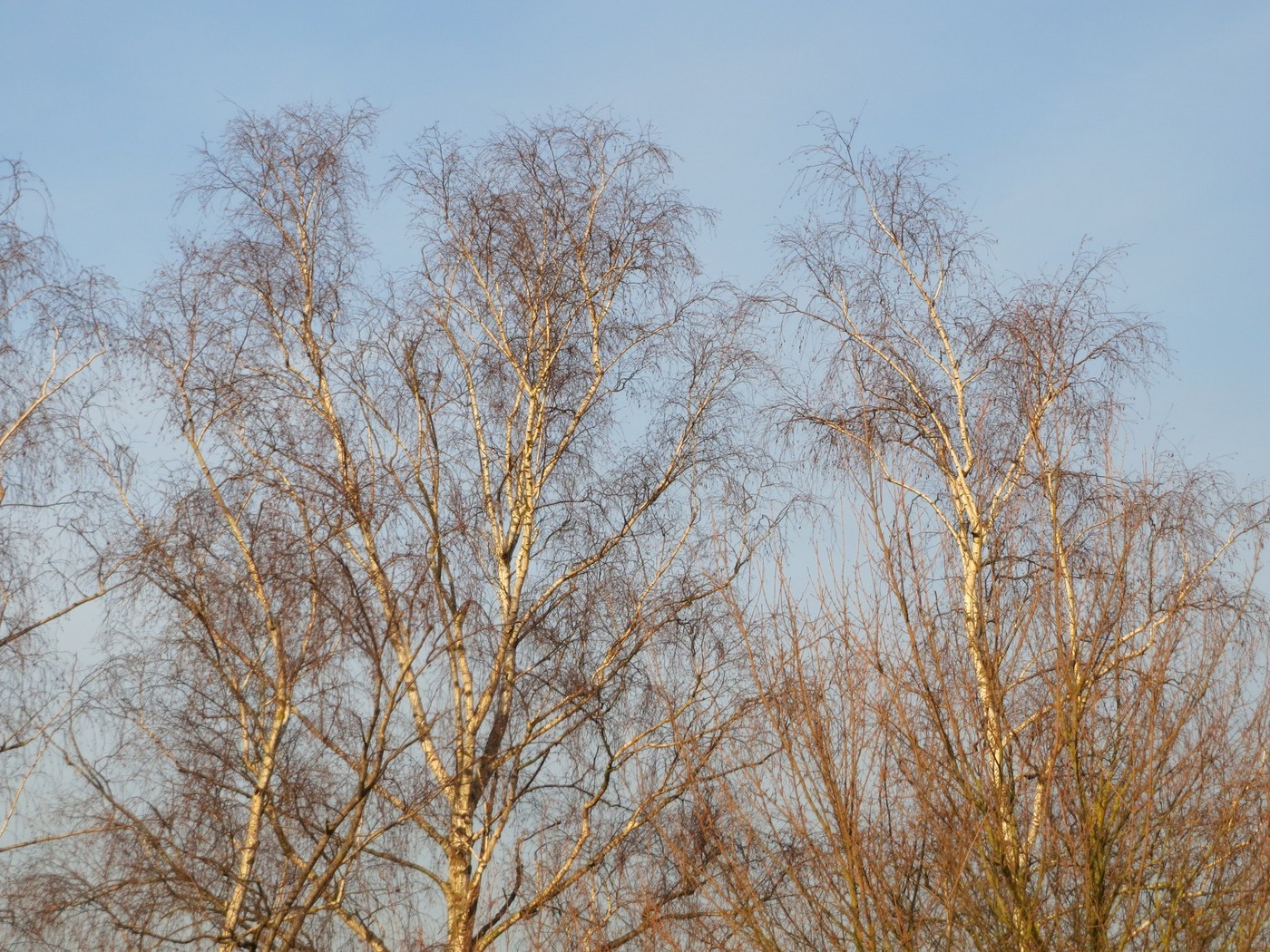
Key Identifying Features
Weeping birch is the pendulous form of the European silver birch, Betula pendula (the species name literally means "weeping"). It is identified by the pairing of bright white, peeling bark with slender drooping branchlets that hang from arching limbs, giving the tree a graceful, airy silhouette.
- Chalky-white bark with dark horizontal lenticels, peeling in papery strips
- Black, diamond-shaped fissures developing at the base of older trunks
- Thin, pendulous branchlet tips that sway and droop
- Light, open canopy that dapples sunlight
Leaves & Stems
Leaves are alternate, triangular to diamond-shaped (rhombic), 1-3 in long, with a pointed tip and doubly serrated (toothed) margins. They are smooth, bright green above, paler below, and turn clear yellow in autumn. Young twigs are slender, reddish-brown, and often covered in tiny resin warts (glands) that feel rough - a key Betula pendula trait distinguishing it from downy birch. The whip-like outer branchlets are what give the weeping habit.
Flowers & Fruit
Birches are wind-pollinated and produce catkins rather than showy flowers. In spring, long yellowish male catkins dangle (2-2.5 in), while shorter, upright female catkins appear on the same tree. By late summer the female catkins ripen into cylindrical brown seed catkins that break apart to release tiny winged seeds (samaras) carried by wind. There is no fleshy fruit.
How to Tell It Apart from Look-Alikes
- Paper birch (Betula papyrifera): also white-barked, but leaves are more oval, twigs lack the resin warts, and the habit is upright, not weeping.
- Downy birch (Betula pubescens): twigs are hairy (downy) rather than warty, bark is more grayish-white and less peeling, and it lacks pronounced weeping.
- Himalayan birch (Betula utilis jacquemontii): very white bark but upright form and larger, more oval leaves.
- Aspen/poplar: trembling round leaves on flattened stalks, no peeling white bark or birch catkins.
The white peeling bark + diamond serrated leaves + warty drooping twigs + winged seeds combination confirms weeping silver birch.
Where You'll Find It
Native across Europe and parts of Asia, it is widely planted as an ornamental street and garden tree in temperate regions and naturalizes in cool climates. Cultivar 'Youngii' (Young's weeping birch) forms a mushroom-shaped, strongly weeping mound, while 'Tristis' is a tall weeping form. Best in USDA zones 2-7.
Quick ID Checklist
- White, papery, peeling bark with dark lenticels
- Drooping, slender branchlet tips
- Diamond-shaped, double-toothed leaves turning yellow in fall
- Twigs bear rough resin warts, not hairs
- Dangling spring catkins; tiny winged seeds in late summer
- Black diamond fissures at the trunk base on older trees
Frequently asked questions
How is weeping birch different from paper birch?
Both have white bark, but weeping birch (Betula pendula) has drooping branchlets, diamond-shaped leaves, and warty twigs. Paper birch has an upright form, more oval leaves, and smooth twigs without resin warts.
Are the warts on the twigs a sign of disease?
No. The tiny resin warts (glands) on the slender twigs are a natural feature of silver birch and one of the best ways to confirm the species versus the hairy-twigged downy birch.
Does weeping birch flower?
It produces catkins rather than petaled flowers. Long yellow male catkins dangle in spring while shorter upright female catkins ripen into brown seed catkins that release winged seeds.
Why is the bark turning black at the bottom?
That is normal aging. Mature silver birch trunks develop rough black, diamond-shaped fissures near the base while the upper trunk stays white and papery.