
Weigela Identification Guide
Identify Weigela by its arching stems, opposite toothed leaves, and abundant funnel-shaped pink to red flowers borne along the branches in late spring.
Read the full Weigela encyclopedia entry →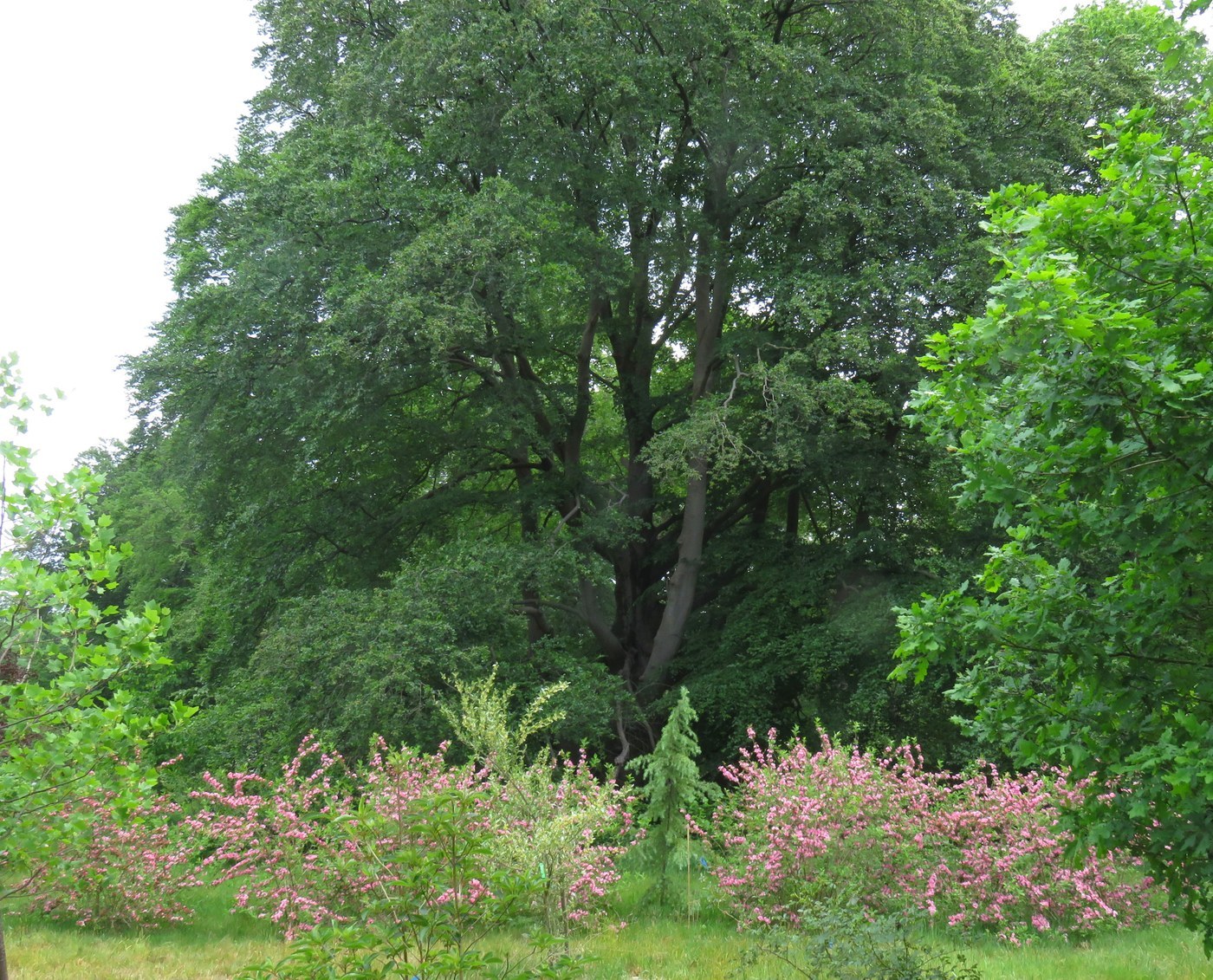
Key Identifying Features
Weigela (genus Weigela, especially W. florida) is a deciduous flowering shrub grown for its profusion of trumpet-shaped flowers in late spring. It is recognized by its arching branches, opposite toothed leaves, and clusters of funnel-shaped pink-to-red blooms lining the stems.
- Funnel- to trumpet-shaped flowers, usually rosy pink to red
- Opposite, simple, toothed, pointed leaves
- Arching, spreading growth, typically 3–8 ft
- Heavy bloom in late spring, often with light rebloom
Leaves & Stems
Leaves are opposite (paired), 2–4.5 inches, elliptic to oblong with a pointed tip and finely toothed margins, medium green — or deep burgundy/purple in popular dark-leaved cultivars. There are no stipules and leaves are simple. Stems are slender and arching, gray-brown, forming a rounded, somewhat informal shrub. Young shoots may have fine hairs along two lines. The shrub lacks fragrance to speak of.
Flowers & Fruit
Flowers are the highlight: funnel-shaped to tubular, about 1–1.5 inches long, flaring into five lobes, carried in small clusters along the previous year's wood in late spring to early summer. Colors range from pink and rose to deep red, white, or yellow, and the throat is often paler; hummingbirds and bees visit them. Fruit is a small, dry, two-valved woody capsule that is easy to overlook.
How to Tell It Apart from Look-Alikes
- Weigela vs. Abelia: abelia has smaller, glossier leaves and persistent pinkish sepals after the flowers drop; weigela flowers are larger and trumpet-shaped.
- Honeysuckle shrubs (Lonicera): also opposite-leaved with tubular flowers, but bush honeysuckles bear paired berries and often hollow stems; weigela makes dry capsules.
- Deutzia has white star flowers, not pink trumpets.
- The combination of arching stems + opposite toothed leaves + clusters of pink-red funnel flowers along the branches confirms Weigela.
Where You'll Find It
Weigela is a common ornamental in temperate gardens, used in shrub borders, foundation plantings, and as hummingbird plants. Native to East Asia, it grows in full sun to part shade in average, well-drained soil and is valued for its reliable late-spring color and many compact, dark-leaved, or reblooming cultivars.
Quick ID Checklist
- Funnel/trumpet-shaped pink-to-red flowers in late spring
- Opposite, toothed, pointed leaves
- Arching, rounded deciduous shrub
- Flowers in clusters along the stems
- Dry two-valved capsule fruit; no showy berries
Frequently asked questions
How do I recognize weigela?
An arching deciduous shrub with opposite toothed leaves and clusters of pink-to-red trumpet-shaped flowers lining the branches in late spring is the classic weigela.
How is weigela different from abelia?
Abelia has smaller glossy leaves and keeps pinkish sepals after the flowers fall, while weigela has larger leaves and bigger funnel-shaped flowers without persistent sepals.
Do weigelas attract hummingbirds?
Yes. The tubular pink-to-red flowers are a favorite nectar source for hummingbirds and are also visited by bees.
Why are some weigelas purple-leaved?
Many popular cultivars were bred with deep burgundy or near-black foliage; the leaf color varies by cultivar but the opposite arrangement and toothed margins stay the same.