How to Care for White Oak
Grow a majestic, long-lived White Oak in full sun and deep, well-drained soil, with careful early watering and minimal disturbance.
Read the full White Oak encyclopedia entry →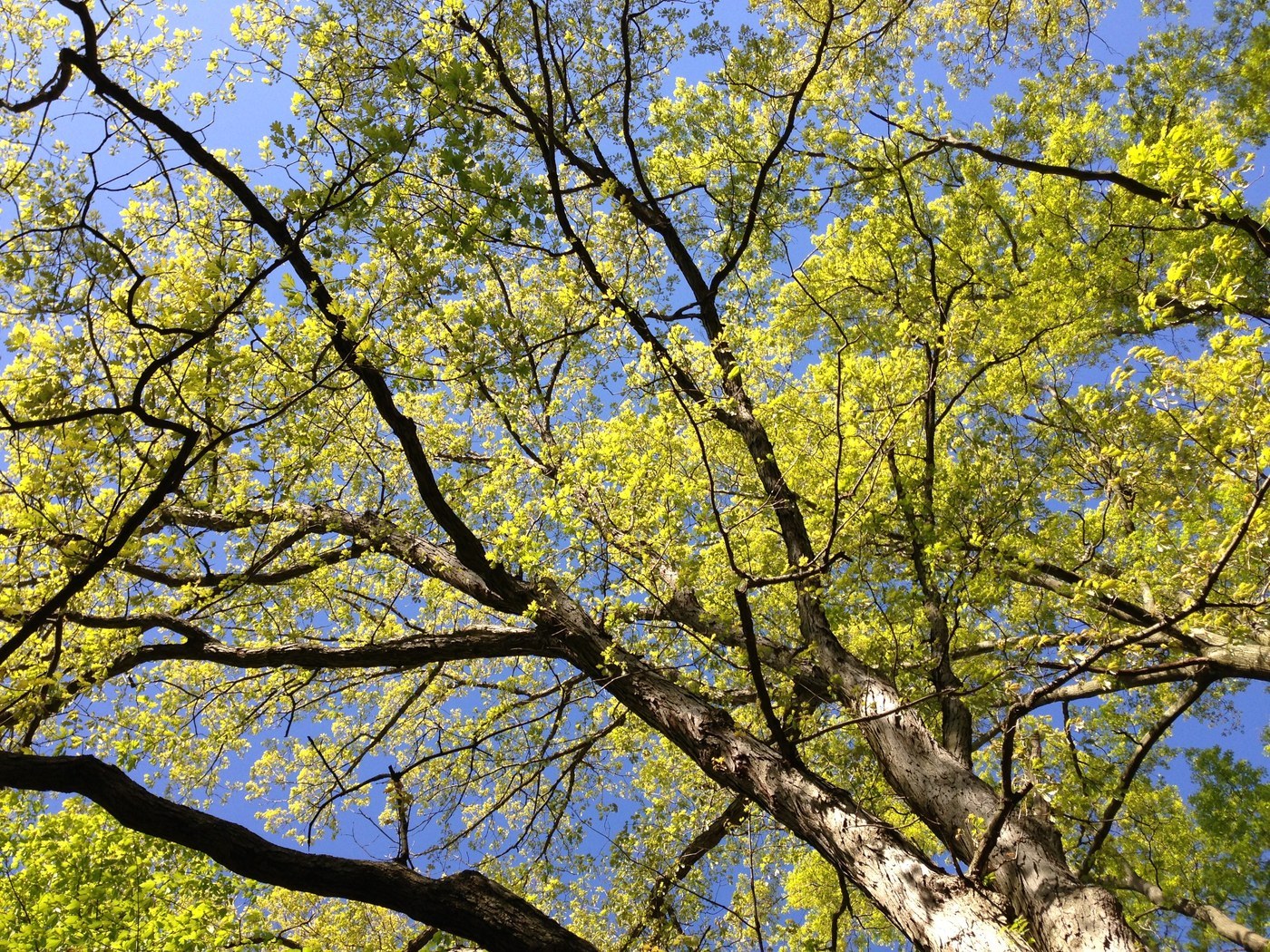
The White Oak (Quercus alba) is a stately, long-lived North American shade tree celebrated for its broad, rounded canopy, lobed leaves that flush wine-red in autumn, and ridged pale bark. It is a slow-growing landscape tree that rewards patience with generations of majestic form and dependable structure.
Light
White Oak needs full sun for strong, balanced growth. Plant it in an open location with at least six or more hours of direct sun daily. Young trees tolerate a little light shade, but a sunny site produces the densest canopy and the best fall color.
Water
Water young trees regularly and deeply through their first few growing seasons to establish a strong root system, keeping the soil moist but not waterlogged. Once established, White Oak is moderately drought-tolerant and needs supplemental water only during extended dry spells. It prefers well-drained soil and dislikes constantly wet roots.
Soil & Potting
White Oak favors deep, fertile, well-drained soil and grows best in slightly acidic conditions. It adapts to a range of soils but resents heavy, poorly drained ground. As a landscape tree it is not a container plant long-term, though young saplings can be started in deep pots before transplanting to their permanent site.
Humidity & Temperature
A hardy temperate tree, White Oak withstands cold winters and hot summers across a wide climate range. It has no special humidity needs and is well suited to the seasonal weather of temperate regions. Establish it in its permanent spot, as mature oaks resent being moved.
Feeding
Established White Oaks in decent soil rarely need feeding. For young trees, a light application of balanced fertilizer in early spring can support growth if soil is poor. Avoid heavy fertilization; slow, steady growth produces stronger wood and a healthier tree. Mulch over the root zone returns nutrients naturally.
Propagation
White Oak is grown from acorns. Collect ripe acorns in fall, sow them promptly since they do not tolerate drying, and protect them from rodents. Acorns of this species germinate soon after falling. Young seedlings grow slowly, so start them where they can develop an undisturbed taproot.
Repotting / Pruning
White Oak has a deep taproot and strongly resents transplanting once established, so plant it young in its permanent location. Prune only in the dormant season, late fall through winter, to remove dead, damaged, or crossing branches. Avoid pruning during the growing season, which raises disease risk in oaks.
Common Problems & Pests
White Oak is relatively resilient but can face oak wilt, powdery mildew, anthracnose, and various leaf-chewing insects and galls. Prune only in winter to reduce oak wilt risk, avoid wounding the trunk, and keep the tree vigorous with proper siting. Maintain a wide mulch ring and avoid compacting or disturbing the root zone.
Seasonal Care Tips
In spring, watch new growth emerge and apply a fresh layer of mulch. Through summer, water young trees during droughts. In fall, enjoy the russet color and collect acorns for propagation. In winter, carry out any needed structural pruning while the tree is dormant and disease pressure is low.
Frequently asked questions
How fast does a White Oak grow?
White Oak is a slow to moderate grower, typically adding about a foot or less per year. This slow growth produces strong, durable wood and a long-lived tree that can thrive for centuries.
When is the best time to prune a White Oak?
Prune only during the dormant season, late fall through winter. Pruning in the growing season raises the risk of oak wilt and other diseases that spread when oaks are wounded in warm weather.
Can I transplant a White Oak?
White Oak develops a deep taproot and strongly resents being moved once established. Plant it young in its permanent, full-sun location so its root system can develop undisturbed.
How do I grow a White Oak from an acorn?
Collect ripe acorns in fall and sow them promptly, since they do not survive drying out. Protect them from rodents and plant seedlings where the taproot can grow undisturbed.
White Oak identified by the community
Recent White Oak specimens identified with Plant Identifier.