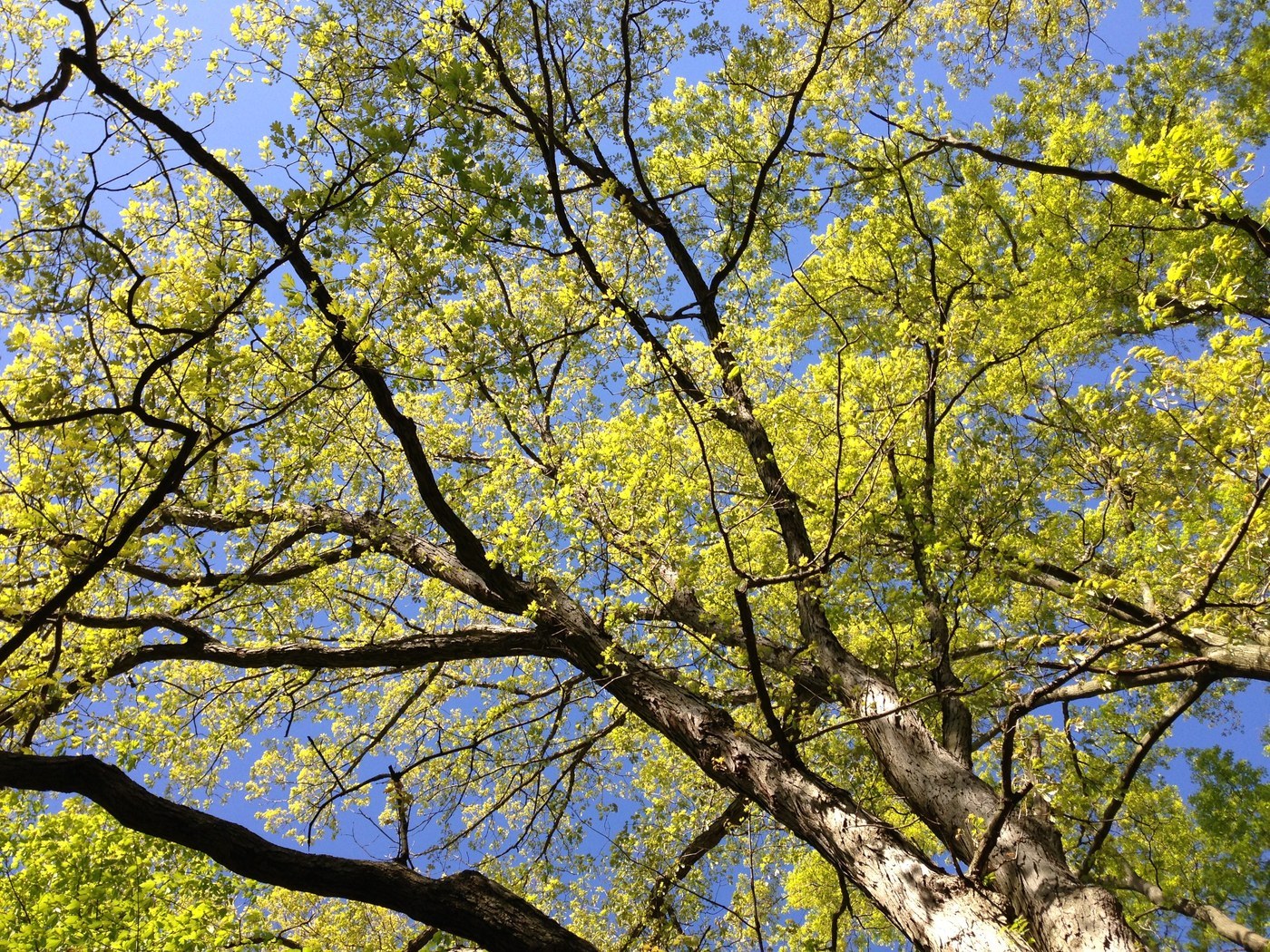
White Oak
Quercus alba
White oak is a majestic, long-lived North American hardwood with rounded leaf lobes and prized, water-tight timber. A keystone forest tree, it can live for centuries and supports a vast web of wildlife.
- Light
- Full sun
- Water
- Moderate; well-drained soil
- Difficulty
- Moderate
Got a plant like this?
Identify any plant from a photo, free.
Overview
White oak (Quercus alba) is one of the most important and enduring hardwood trees of eastern North America. It develops a broad, spreading crown and can live for 300 years or more, with some specimens far older.
Named for the pale gray bark and the whitish cast of its wood, white oak produces strong, rot-resistant, water-tight timber that is the standard for barrels, flooring, and shipbuilding. Its acorns are an important resource for forest wildlife.
How to identify it
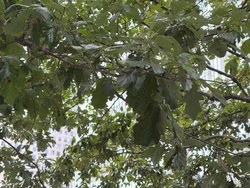
- Leaves: Alternate, with 5-9 rounded, finger-like lobes and no bristle tips; bluish-green above, pale beneath
- Bark: Light ashy-gray, shallowly furrowed into loose, scaly plates
- Acorns: Oblong acorns with a bumpy, warty cap covering about a quarter of the nut
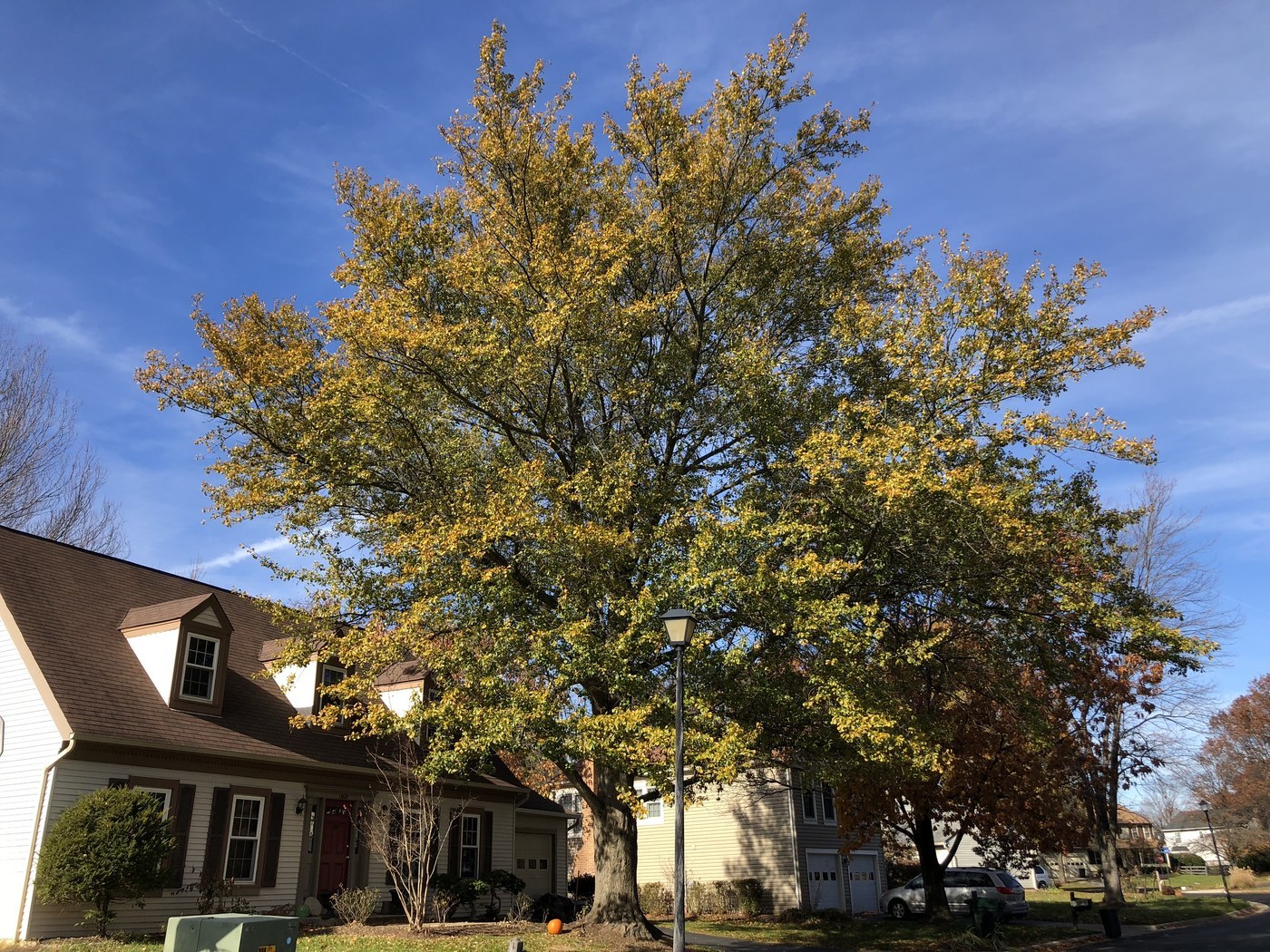
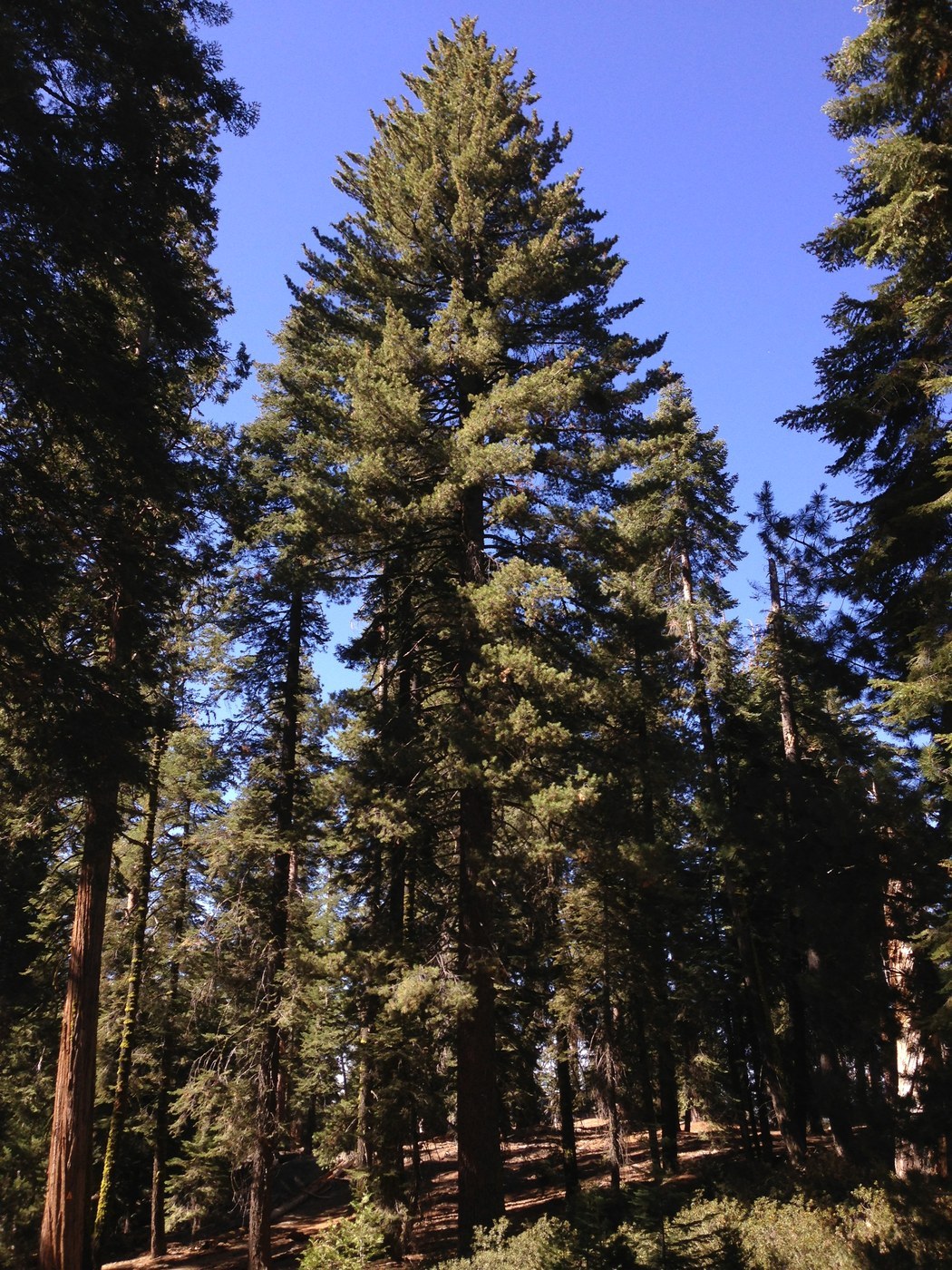
- Form: Broad, rounded, wide-spreading crown; 60-100 ft tall
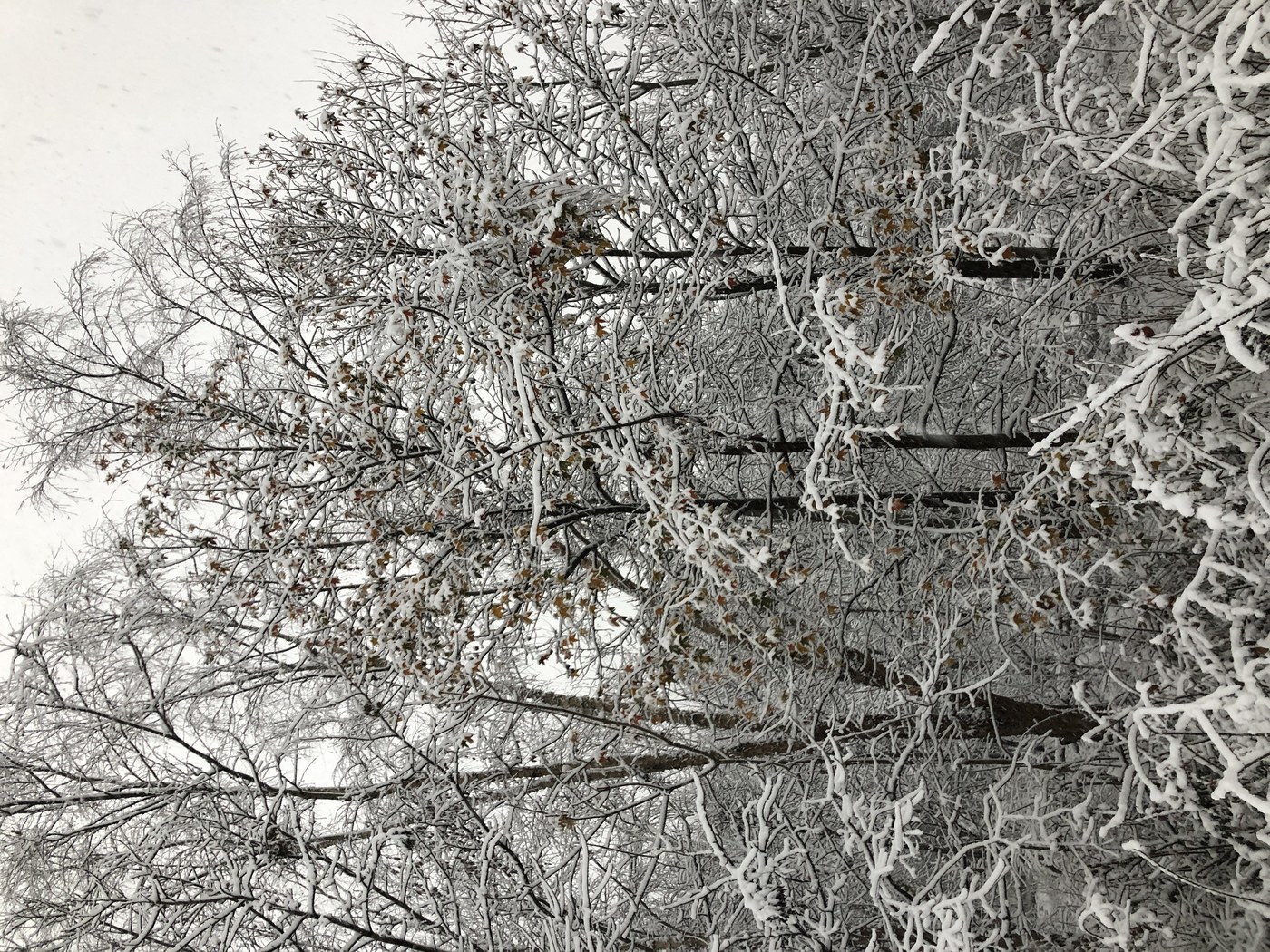
- Fall color: Russet to wine-red, with leaves often persisting (marcescent) into winter on young trees
Care & growing
Light: Full sun.
Water: Prefers deep, moist but well-drained soil; established trees are drought-tolerant.
Soil: Deep, fertile, slightly acidic loams; dislikes wet, poorly drained ground.
Temperature: Hardy USDA zones 3-9.
Feeding: Rarely needed.
Propagation: Grown from fresh acorns sown in fall; the deep taproot makes transplanting difficult, so plant young or direct-sow.
Habitat & origin
White oak is native across eastern and central North America, from southern Canada to the Gulf states. It grows in upland forests, mixed hardwood stands, and well-drained slopes.
A dominant tree of the eastern deciduous forest, it is also planted as a long-lived shade and specimen tree in parks and large landscapes.
Frequently asked questions
How do I identify white oak?
Look for leaves with rounded lobes and no bristle tips, pale ashy-gray scaly bark, and oblong acorns with warty caps. The rounded lobes distinguish white oaks from red oaks.
Why is white oak wood so prized?
Its cells are blocked by structures called tyloses, making the wood water-tight and rot-resistant. This is why it is used for barrels and was vital in shipbuilding.
How long does a white oak live?
White oaks are very long-lived, commonly reaching 200-300 years and sometimes far longer.
White Oak guides
In-depth guides for identifying, growing, and caring for White Oak.
How to Care for White Oak
Grow a majestic, long-lived White Oak in full sun and deep, well-drained soil, with careful early watering and minimal disturbance.
White Oak Identification Guide
Identify white oak (Quercus alba) by its leaves with rounded, bristle-free lobes, pale flaky bark, and acorns with bumpy, shallow caps.
White Oak identified by the community
Real specimens identified with Plant Identifier.