White Oak Identification Guide
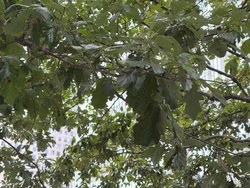
Identify white oak (Quercus alba) by its leaves with rounded, bristle-free lobes, pale flaky bark, and acorns with bumpy, shallow caps.
Read the full White Oak encyclopedia entry →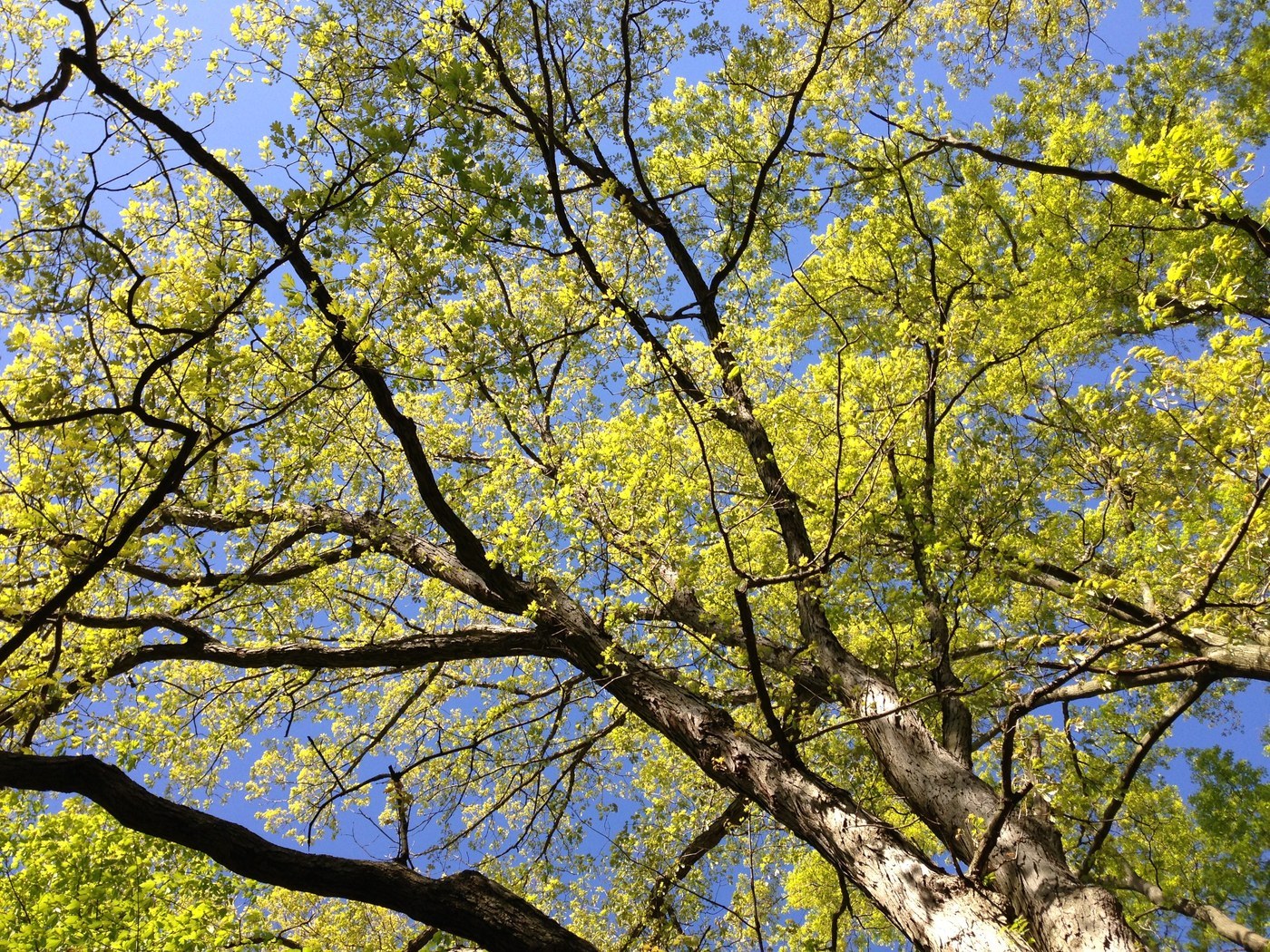
Key Identifying Features
White oak (Quercus alba) is a majestic, broad-crowned hardwood identified by its leaves with smoothly rounded lobes that lack bristle tips, its light gray, scaly, flaky bark, and acorns with shallow, warty caps. It belongs to the white oak group, whose hallmark is rounded (not pointed) leaf lobes.
- Large tree, often 60-100 ft (18-30 m) with a wide spreading crown
- Leaf lobes rounded, no spiny bristle tips
- Pale, light-gray bark
Leaves & Stems
Leaves are 5-9 in long with 7-9 rounded, finger-like lobes separated by deep, smooth sinuses that vary in depth. Critically, the lobes are rounded and lack the tiny bristle/spine tips found on red-oak-group leaves. New leaves often emerge pinkish and turn blue-green to deep green above, paler below. Fall color is wine-red to brown, and leaves may persist into winter on young trees. Twigs are hairless and gray; buds are small, rounded, and reddish-brown, clustered at the twig tip.
Flowers & Fruit
White oak flowers in spring with the new leaves: drooping yellow-green male catkins and tiny inconspicuous female flowers. The acorn is the clincher: about 1/2-1 in long, oblong, maturing in a single season (one year), with a shallow, bumpy/warty cap covering only about a quarter of the nut. White oak acorns are relatively sweet and germinate soon after dropping in fall.
How to Tell It Apart from Look-Alikes
- Red oak group (e.g., Quercus rubra): Leaves have pointed lobes tipped with bristles and acorns take two years to mature with flat saucer caps; white oak lobes are rounded and acorns mature in one year.
- Bur oak (Quercus macrocarpa): Same white oak group, but has a fiddle-shaped leaf and large fringed acorn caps.
- Swamp white oak (Quercus bicolor): Shallowly lobed/toothed leaves with white undersides and stalked acorns.
- Diagnostic cues: rounded bristleless lobes, pale flaky bark, and warty-capped one-year acorns.
Where You'll Find It
White oak is widespread across eastern and central North America in dry to moist upland forests, well-drained slopes, and mixed hardwood stands. It is long-lived (often centuries) and a classic shade and timber tree.
Quick ID Checklist
- Rounded leaf lobes with NO bristle tips (white oak group)
- 7-9 lobes, deep smooth sinuses
- Light gray, scaly, flaky bark
- Acorns with shallow, warty/bumpy caps, maturing in one year
- Wide, spreading crown on mature trees
Frequently asked questions
How do I tell white oak from red oak?
Check the leaf lobe tips: white oak has rounded lobes with no bristles, while red oak has pointed lobes ending in tiny bristle spines. White oak acorns also mature in one year versus two for red oak.
What do white oak acorns look like?
They are oblong, about half an inch to an inch long, with a shallow, bumpy, warty cap covering roughly a quarter of the nut, and they mature in a single growing season.
What color is white oak bark?
Light ash-gray, breaking into loose, scaly, flaky plates - paler than the darker, ridged bark of red oaks.
Are all rounded-lobed oaks white oaks?
Rounded, bristleless lobes place a tree in the white oak group, but bur oak, swamp white oak, and post oak share that trait, so check leaf shape, bark, and acorn caps to confirm Quercus alba specifically.
White Oak identified by the community
Recent White Oak specimens identified with Plant Identifier.