
White Spruce Identification Guide
Identify White Spruce (Picea glauca) by its four-sided blue-green needles, smooth slender pendant cones, and skunky odor when needles are crushed.
Read the full White Spruce encyclopedia entry →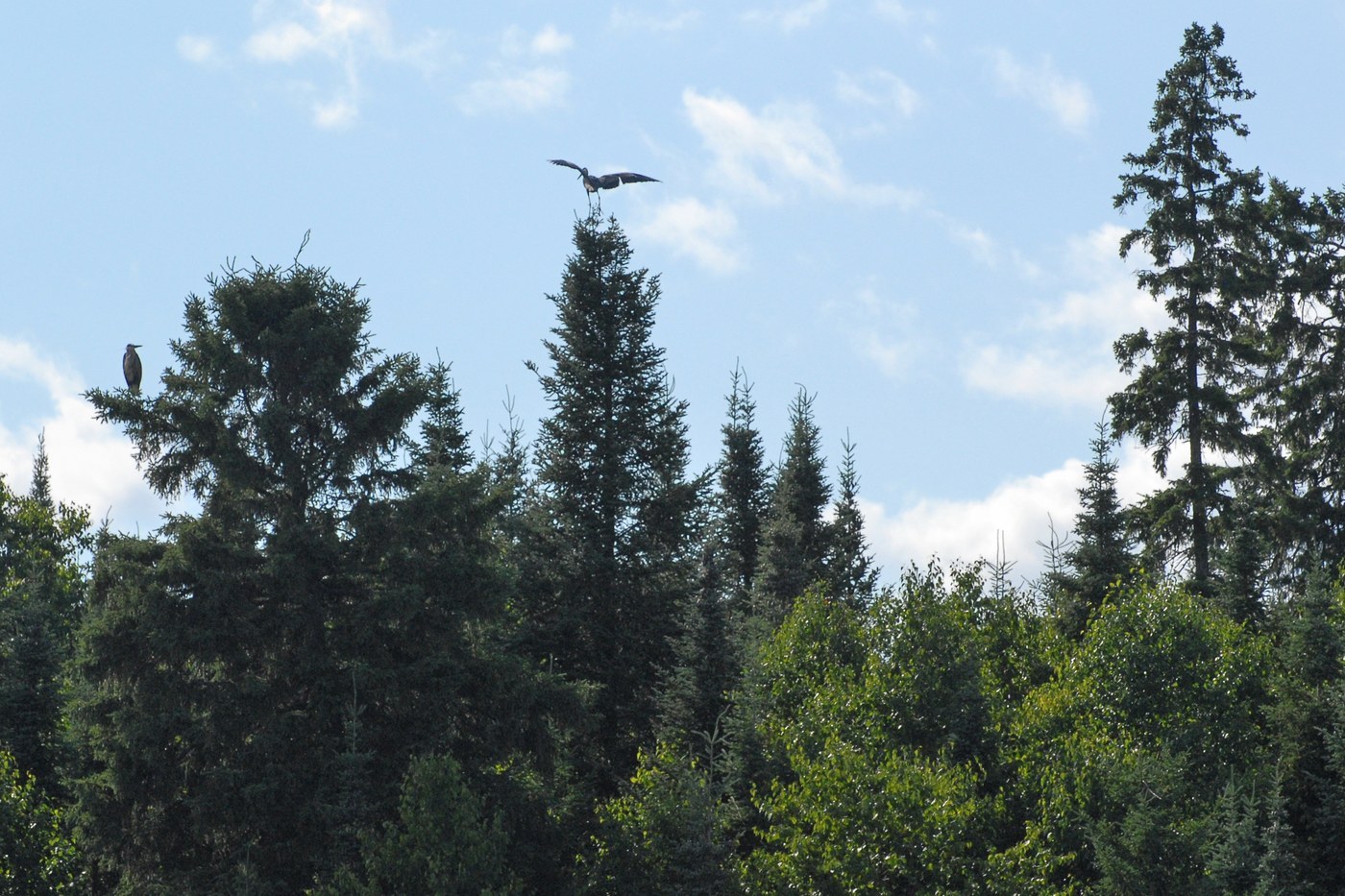
Key Identifying Features
White Spruce (Picea glauca) is a major conifer of the northern boreal forest across North America. Identify it by stiff, four-sided blue-green needles on rough peg-studded twigs, slender cylindrical hanging cones with smooth-edged scales, and a distinctive skunky or cat-urine odor when the needles are crushed.
- Conical, fairly dense crown
- Four-sided blue-green to gray-green needles, somewhat waxy
- Hairless twigs with woody pegs
- Slender, light-brown cones with thin smooth, flexible scales
Leaves & Stems
Needles are about 0.5-0.75 inch long, stiff, four-sided (square in cross-section) so they roll easily between the fingers, and blunt to slightly pointed (not painfully sharp like Sitka or Engelmann). Color is blue-green to gray-green with a waxy bloom (hence glauca). Crushing the needles gives a pungent, skunky smell — a classic White Spruce field test. Needles sit on tiny woody pegs, so stripped twigs feel rough. Twigs are pale and hairless (useful versus Engelmann Spruce, which has hairy twigs).
Flowers & Fruit
White Spruce reproduces by cones. Seed cones are 1-2.5 inches long, slender, cylindrical, pale brown, and hang down from the branches. The cone scales are thin, smooth, and rounded at the margin (not toothed or ragged), and flexible — a helpful contrast with the ragged-edged scales of Engelmann and the papery crinkled scales of Sitka. Cones drop soon after releasing seed.
How to Tell It Apart from Look-Alikes
- Black Spruce (Picea mariana): smaller rounder cones held near the top, hairy twigs, and shorter blunter needles.
- Engelmann Spruce: very similar but has finely hairy twigs and cones with ragged, wavy-edged scales, and grows at higher western elevations.
- Sitka Spruce: flattened, very sharp needles and crinkly papery cone scales, coastal range.
- Balsam Fir (often nearby): flat, soft, blunt needles on smooth twigs with upright cones.
Four-sided blue-green needles that smell skunky, on hairless pegged twigs, with smooth-scaled hanging cones, confirm White Spruce.
Where You'll Find It
A dominant boreal forest tree spanning Alaska and across Canada to the Northeast and Great Lakes, with extensions into the northern Rockies. It grows on a wide range of moist, well-drained soils, along rivers, and at treeline, and is widely planted for timber, windbreaks, and Christmas trees.
Quick ID Checklist
- Stiff, four-sided needles, blue-green and waxy
- Skunky smell when crushed
- Hairless twigs with woody pegs
- Slender hanging cones with smooth, flexible scales
- Northern boreal forest
Four-sided blue-green skunky needles and smooth-scaled hanging cones identify White Spruce.
Frequently asked questions
Why does White Spruce smell bad when crushed?
Its foliage releases a pungent, skunky or cat-urine odor when bruised, which is one of the easiest ways to confirm the species in the field.
How do I tell White Spruce from Engelmann Spruce?
White Spruce has hairless twigs and cones with smooth, rounded scale edges, while Engelmann Spruce has finely hairy twigs and cones with ragged, wavy-edged scales. They also occupy different ranges and elevations.
Are the needles sharp?
They are stiff and four-sided but only mildly pointed, not painfully sharp like Sitka or Engelmann Spruce. You can roll a single needle easily between your fingers.
How can I distinguish spruce from fir nearby?
Spruce needles are four-sided, attached to woody pegs that make stripped twigs rough, and cones hang down. Fir needles are flat and soft on smooth twigs, and fir cones stand upright.