White Spruce
Picea glauca
White Spruce is a hardy, widespread conifer of the northern forests of North America, valued for its dense conical form and tolerance of cold and poor soils. It is an important timber and Christmas tree species.
- Light
- Full sun
- Water
- Moderate; tolerates a range once established
- Difficulty
- Easy
Got a plant like this?
Identify any plant from a photo, free.
Overview
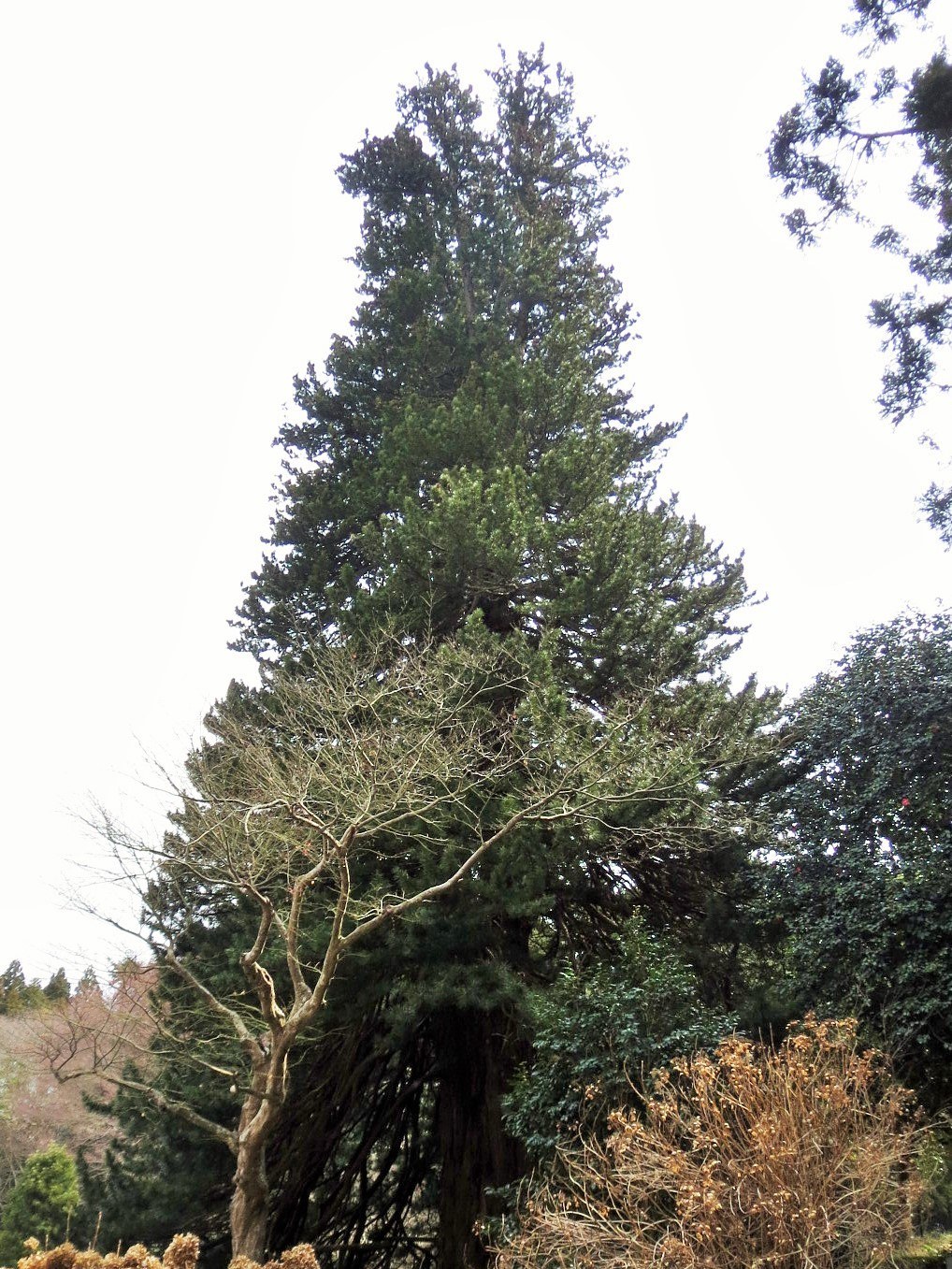
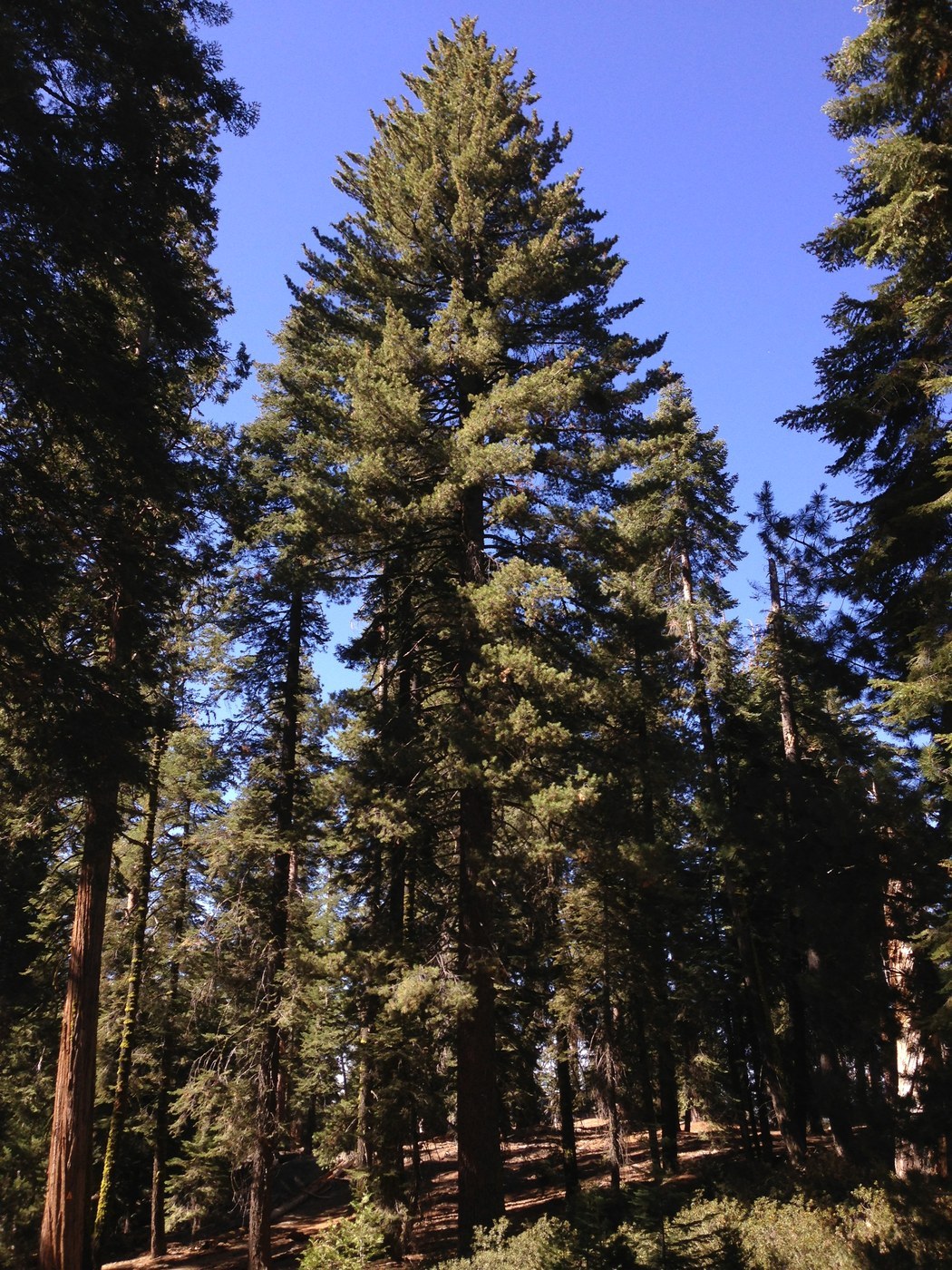
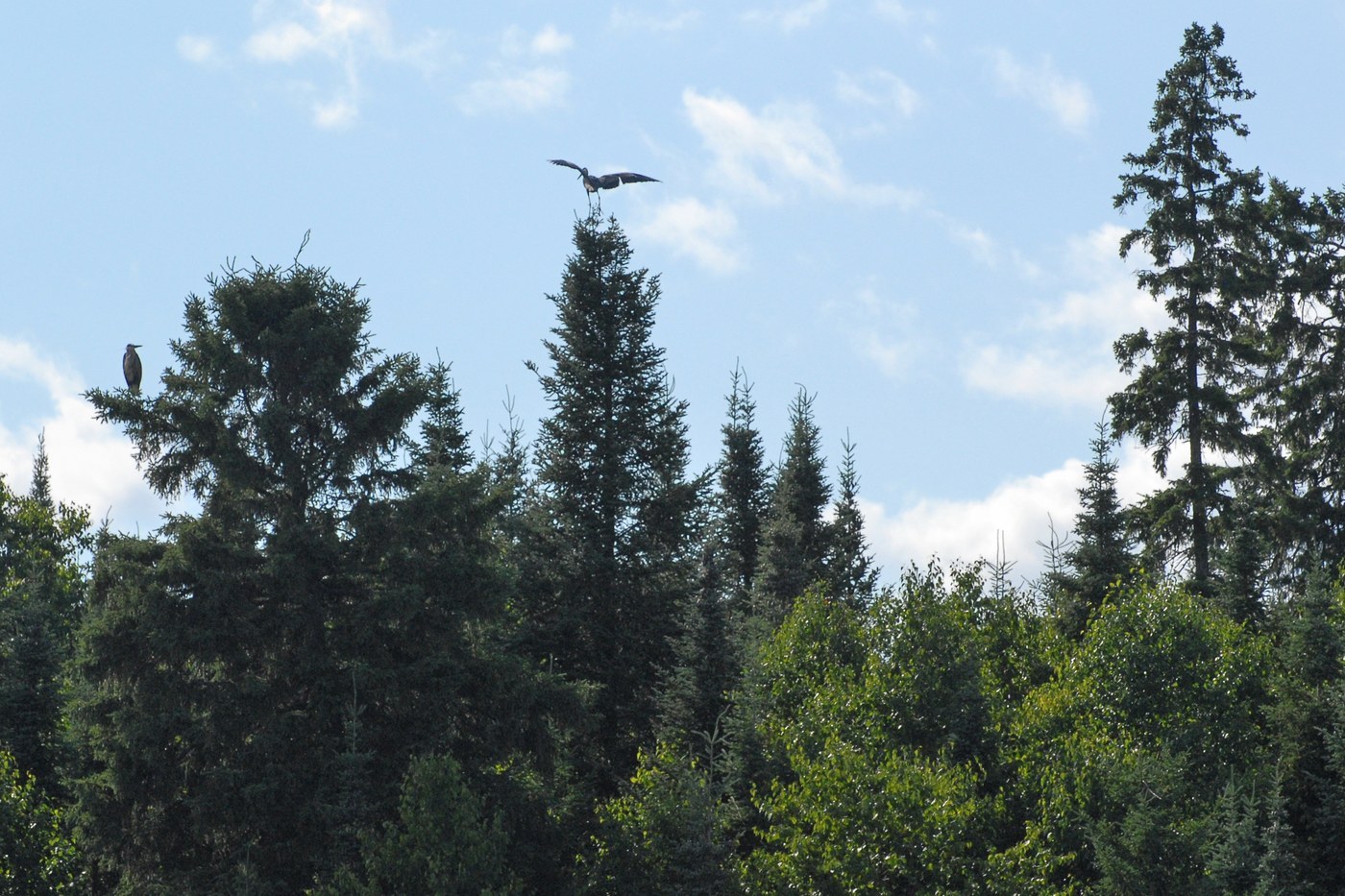
White Spruce (Picea glauca) is one of the most widespread conifers of North America's boreal forest, growing across Canada and the northern United States. It typically reaches 60 to 100 feet with a narrow, dense, conical crown.
Extremely cold hardy and adaptable, it tolerates poor soils, wind, and harsh northern winters, making it a backbone of the taiga and a reliable landscape tree.
The foliage emits a pungent odor when crushed, earning the nickname 'skunk spruce,' and the compact 'Black Hills' form is a popular ornamental selection.
How to identify it
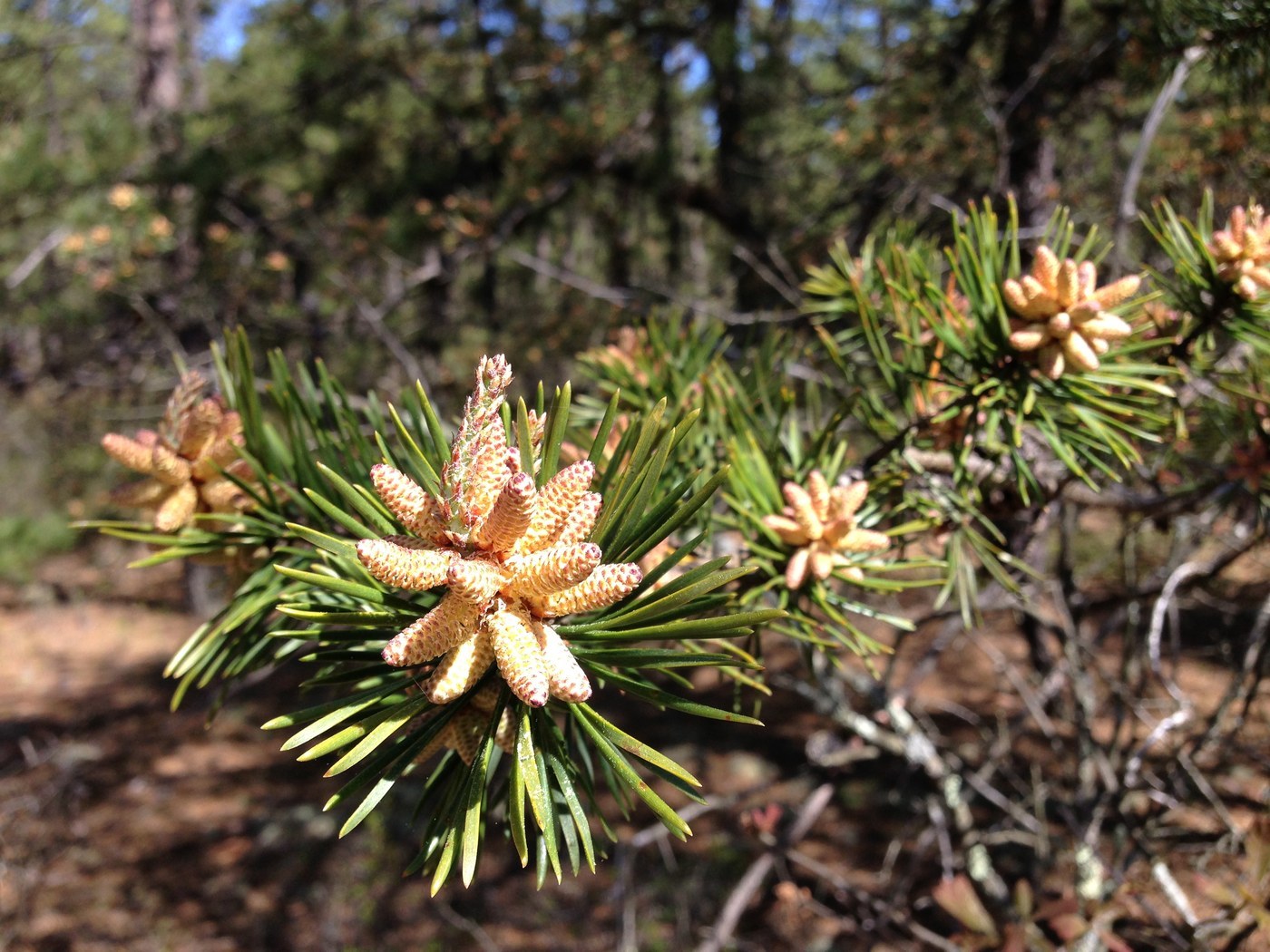
- Needles: Stiff, four-sided, blue-green needles about 1/2 to 3/4 inch long, arranged around the twig; pungent (skunky) when crushed
- Cones: Slender, cylindrical, light brown cones 1 to 2.5 inches long with thin, flexible, smooth-edged scales; among the smallest spruce cones
- Bark: Thin, gray-brown, scaly
- Habit: Dense, narrow, conical evergreen with a symmetrical crown
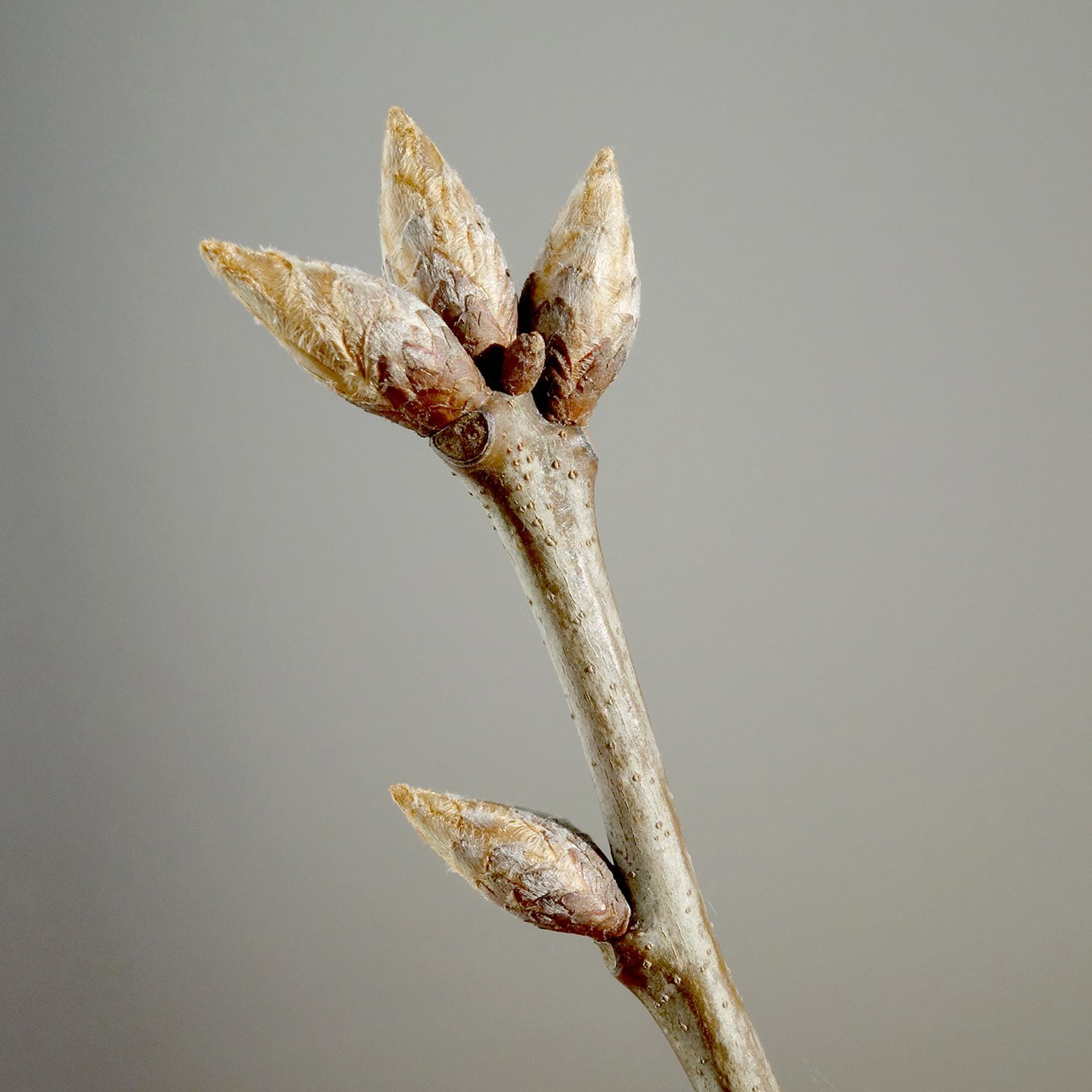
- Twigs: Hairless with peg-like needle bases typical of spruces
Care & growing
Tough, cold hardy, and easy in northern climates.
- Light: Full sun
- Water: Moderate; tolerates dry spells once established and handles a range of moisture
- Soil: Adaptable, from sandy to clay; prefers moist, well-drained loam
- Temperature: Extremely cold hardy, roughly USDA zones 2 to 6; dislikes hot, humid climates
- Feeding: Rarely needed
- Propagation: From seed; cultivars by cuttings or grafting
It is a dependable windbreak and screen in cold regions but performs poorly in the heat and humidity of the southern US.
Habitat & origin
White Spruce ranges across the boreal forest of North America from Alaska and across Canada to the Atlantic, dipping into the northern United States and high elsewhere. It grows in a wide range of upland and streamside sites, often forming extensive northern forests.
It is widely planted for forestry, windbreaks, and ornament, and the Black Hills selection is popular in landscapes.
Frequently asked questions
Why is White Spruce called skunk spruce?
Its needles release a pungent, somewhat skunky odor when crushed or bruised, which gives the tree this nickname.
How cold hardy is White Spruce?
Extremely. It survives to roughly USDA zone 2, thriving across the far-northern boreal forest from Alaska to the Atlantic.
What is Black Hills Spruce?
Black Hills Spruce is a slow-growing, dense, compact variety of White Spruce native to the Black Hills region, popular as an ornamental and windbreak tree.
Is White Spruce a good Christmas tree?
It is used as a Christmas tree for its dense conical shape, though its needle retention is not as long-lasting as firs.
White Spruce guides
In-depth guides for identifying, growing, and caring for White Spruce.
How to Care for White Spruce
Grow White Spruce (Picea glauca): a hardy, cold-loving conifer with dense blue-green needles, ideal for screens, specimens, and windbreaks.
White Spruce Identification Guide
Identify White Spruce (Picea glauca) by its four-sided blue-green needles, smooth slender pendant cones, and skunky odor when needles are crushed.