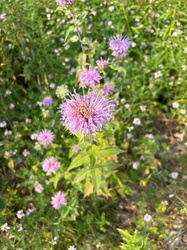
How to Care for Wild Bergamot
Grow Monarda fistulosa, wild bergamot, with our care guide: sun, watering, soil, dividing, and managing powdery mildew on this pollinator favorite.
Read the full Wild Bergamot encyclopedia entry →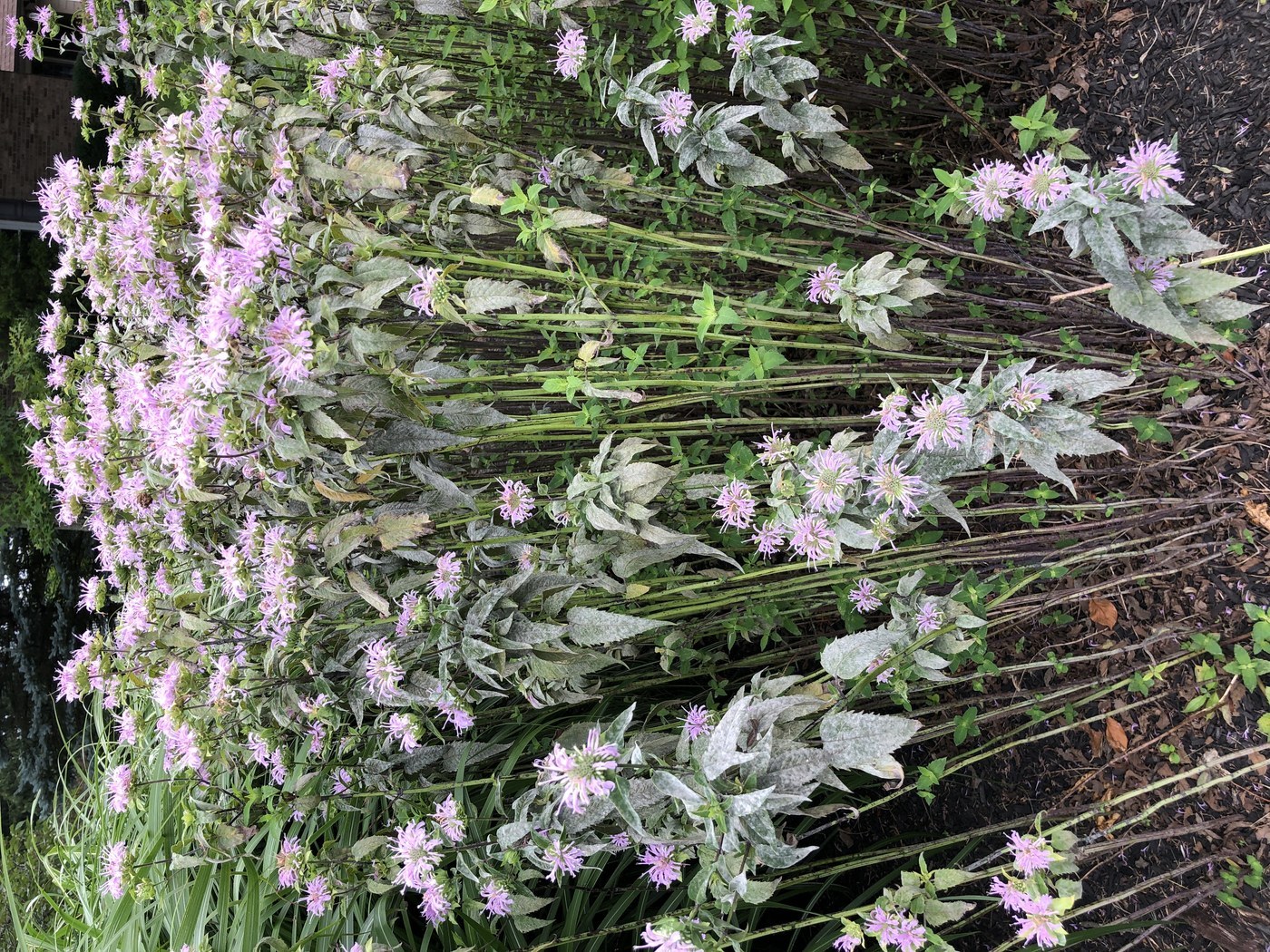
Wild bergamot (Monarda fistulosa) is a hardy North American perennial in the mint family, beloved for its lavender-pink, shaggy tubular flowers that draw bees, butterflies, and hummingbirds all summer. It is tough, drought-tolerant once established, and easy to grow in the ornamental border or meadow garden.
Light
Grow wild bergamot in full sun for the sturdiest plants and most abundant flowers. It tolerates part shade, especially in hot climates, but in too much shade the stems stretch, flowering drops off, and the plant becomes more susceptible to powdery mildew. Good sun plus air circulation is the winning combination.
Water
Provide moderate water while young plants establish. Once settled, wild bergamot is notably drought-tolerant and copes well with dry spells. Water deeply but infrequently rather than giving frequent shallow sips. Avoid waterlogged soil and try to keep foliage dry to discourage fungal disease.
Soil & Potting
This adaptable native thrives in average, well-drained soil and even tolerates clay and dry, lean ground. It is not fussy about fertility, and overly rich soil actually promotes floppy growth. Sharp drainage matters more than richness. In containers, use a free-draining mix and a roomy pot to accommodate its spreading roots.
Humidity & Temperature
Wild bergamot is cold-hardy across a wide range, roughly USDA zones 3 through 9, and shrugs off summer heat. It prefers open sites with good airflow; humid, stagnant air encourages powdery mildew on the leaves.
Feeding
Feeding is rarely necessary. A light topdressing of compost in spring is plenty. Avoid heavy nitrogen fertilizer, which produces lush, weak, mildew-prone growth at the expense of flowers.
Propagation
Propagate by division in spring or fall, by stem cuttings in early summer, or by seed. As a mint-family plant it spreads by underground rhizomes, so clumps enlarge steadily and are easy to divide. Seed sown in fall or cold-stratified over winter germinates readily.
Repotting / Pruning
Divide congested clumps every 2 to 3 years to keep them vigorous and to control their spread. Cut plants back to the ground after they die down in late fall or leave the stems standing for winter interest. Deadheading spent blooms can encourage a lighter second flush and reduces self-seeding.
Common Problems & Pests
Powdery mildew is by far the most frequent issue, coating leaves with a whitish film in humid, crowded conditions. Combat it by spacing plants for airflow, growing in full sun, thinning stems, and choosing mildew-resistant selections. Pests are seldom serious. Because it spreads by rhizomes, keep an eye on it so it does not overrun smaller neighbors.
Seasonal Care Tips
In spring, thin the emerging stems to improve air circulation and divide crowded clumps. Through summer, deadhead to prolong bloom. In fall, cut back and clean up fallen foliage to reduce overwintering mildew spores, or leave seed heads for winter texture and birds.
Frequently asked questions
Why does my wild bergamot get white powder on its leaves?
That is powdery mildew, common on Monarda in humid, crowded conditions. Improve air circulation by thinning stems and spacing plants, grow it in full sun, avoid wetting the foliage, and consider mildew-resistant varieties.
Does wild bergamot spread aggressively?
As a mint-family plant it spreads by underground rhizomes and can form expanding clumps. It is manageable but benefits from division every couple of years and occasional edging to keep it in bounds.
How much water does wild bergamot need?
Keep it moderately moist while establishing, then water deeply but infrequently. Once established it tolerates dry spells well and dislikes soggy soil.
Should I cut back wild bergamot in fall?
You can cut it to the ground after it dies back to tidy the bed and reduce overwintering mildew, or leave the stems standing for winter interest and seed for birds. Either approach works.
Wild Bergamot identified by the community
Recent Wild Bergamot specimens identified with Plant Identifier.