
How to Care for Wild Mustard
Grow Wild Mustard (Sinapis arvensis), a fast, sun-loving annual with bright yellow flower clusters, in a full-sun ornamental or wildflower setting.
Read the full Wild Mustard encyclopedia entry →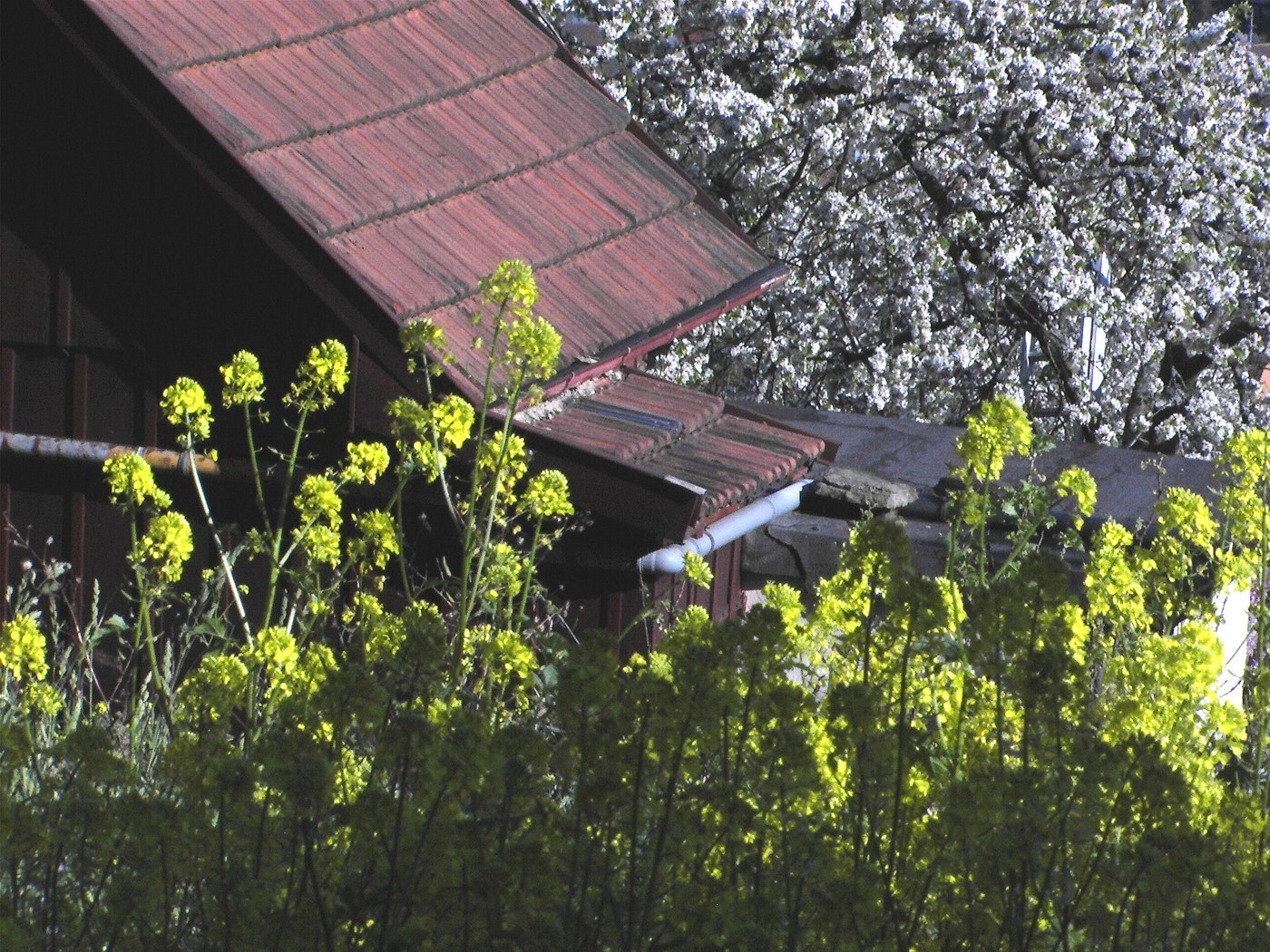
Wild Mustard (Sinapis arvensis) is a vigorous, fast-growing annual known for its cheerful clusters of bright yellow, four-petaled flowers held above coarse, lobed foliage. It is undemanding and thrives in sunny, open ground, making it a simple choice for informal wildflower plantings and pollinator patches.
Light
Grow Wild Mustard in full sun. It flowers most heavily and stays sturdiest with at least six hours of direct light daily. In too much shade it becomes leggy, leans toward the light, and blooms sparsely.
Water
Water needs are average, and established plants tolerate dry spells well. Water young seedlings to keep them from wilting as they establish, then let the surface dry between waterings. Mature plants have a taproot that reaches for moisture, so they seldom need supplemental water except in prolonged drought. Avoid waterlogged soil.
Soil & Potting
This annual is adaptable and grows in a wide range of soils, from loam to poorer, gravelly ground. It prefers well-drained soil and does especially well in neutral to slightly alkaline conditions. It needs no special enrichment; overly rich soil produces lush leaves at the expense of a tidy shape. If grown in a container, use ordinary potting mix with good drainage and a deep pot to accommodate the taproot.
Humidity & Temperature
Wild Mustard is a cool-season-friendly annual that grows readily in temperate conditions and shrugs off ordinary humidity levels. It germinates and grows well in cool spring weather and can bolt to flower quickly as temperatures climb. It is frost-tender at the seedling stage but generally tolerates cool nights.
Feeding
Feeding is rarely necessary. In poor soil a single light application of balanced fertilizer early in growth is plenty. Excess nitrogen encourages floppy, overgrown foliage, so keep feeding minimal for a compact, free-flowering plant.
Propagation
Propagation is by seed, which is fast and reliable. Sow seed directly where plants are to grow, scattering thinly on prepared soil and barely covering it, then keep lightly moist until germination, which is quick in warm soil. It self-sows freely once established, so deadhead if you want to limit its spread.
Repotting / Pruning
As a short-lived annual it is not repotted in the traditional sense. To keep plantings neat, pinch or shear back straggly stems, and remove spent flower heads to prolong bloom and reduce unwanted self-seeding. Pull and compost plants at the end of their cycle.
Common Problems & Pests
Being in the cabbage family, it can attract flea beetles, aphids, and cabbage-family caterpillars that chew the leaves, as well as occasional powdery mildew or white rust in crowded, humid conditions. Provide good spacing and airflow, and manage pests with hand removal or insecticidal soap. Its biggest 'problem' in gardens is over-enthusiastic self-seeding, so deadhead to keep it in check.
Seasonal Care Tips
Sow in early spring for the earliest bloom, or in fall in mild climates. Water seedlings through establishment, then let plants fend for themselves in summer. Deadhead through the flowering season to extend bloom and limit reseeding, and clear out finished plants before they scatter seed everywhere if you want to control their return.
Frequently asked questions
Does Wild Mustard need full sun?
Yes. Wild Mustard performs best in full sun with at least six hours of direct light. In shade it grows leggy and flowers poorly.
How do I keep Wild Mustard from spreading everywhere?
It self-sows freely. Deadhead spent flowers before they set seed, and pull plants at the end of the season to keep it from taking over the bed.
How much water does Wild Mustard need?
Average water while establishing, then very little. Mature plants are drought-tolerant thanks to a deep taproot, so only water during extended dry spells.
Can I grow Wild Mustard in a container?
Yes, use a deep, well-drained pot to accommodate its taproot and place it in full sun. Ordinary potting mix works fine, and it needs little feeding.