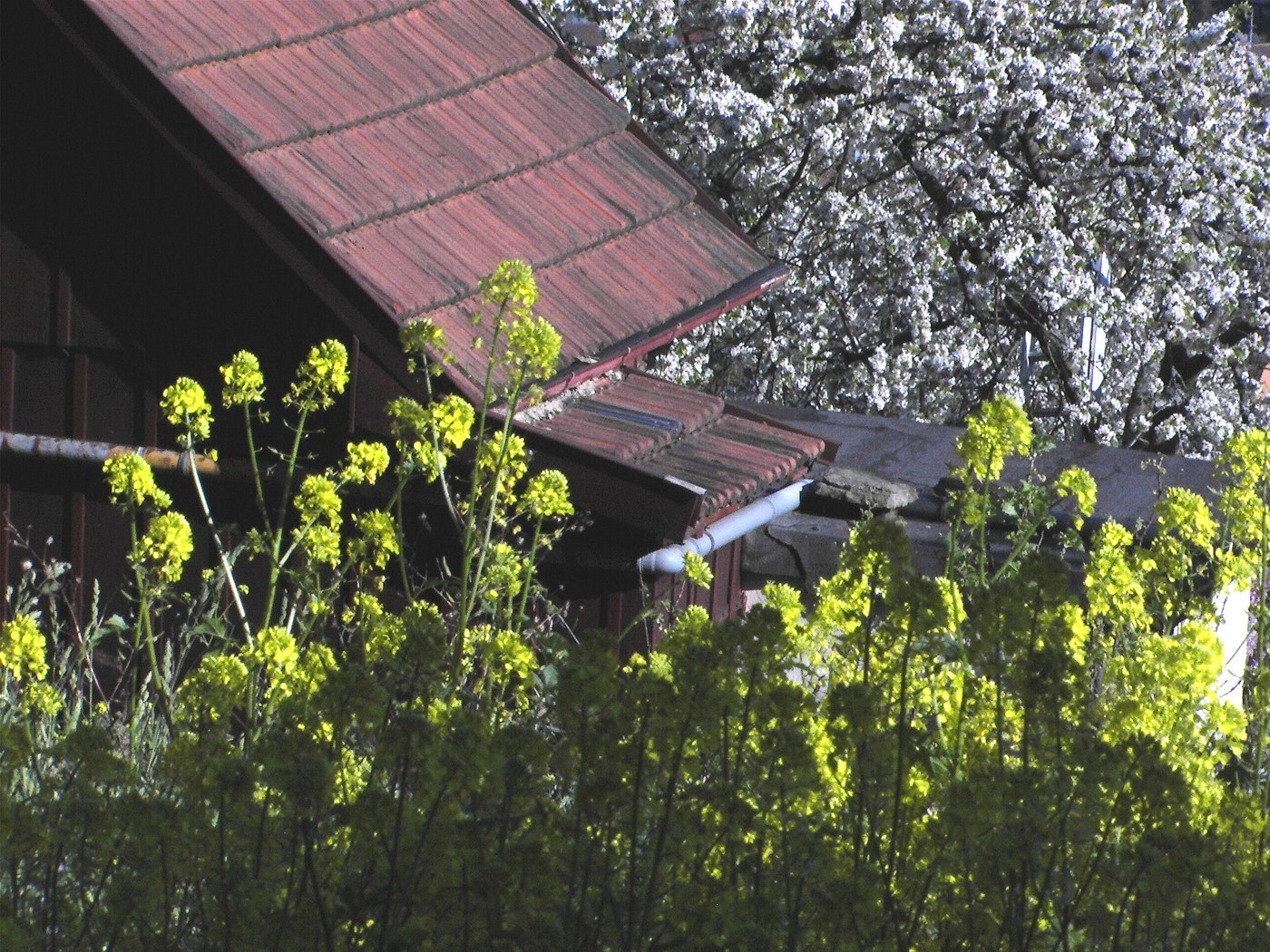
Wild Mustard
Sinapis arvensis
Wild mustard, or charlock, is a fast-growing annual weed of fields and roadsides with bright yellow four-petaled flowers. It is an aggressive crop weed.
- Light
- Full sun
- Water
- Average; tolerates dry spells
- Difficulty
- Easy
Got a plant like this?
Identify any plant from a photo, free.
Overview
Wild mustard (Sinapis arvensis), commonly called charlock, is an annual plant in the cabbage family native to Europe and Asia and now naturalized worldwide. It is one of the most common weeds of grain and oilseed fields, where its bright yellow flowers stand out across the countryside in spring and summer.
The plant grows rapidly, flowers prolifically, and produces seeds that can remain dormant in the soil for decades, making it persistent and hard to eradicate.
Despite its weediness, charlock is related to cultivated mustard and cabbage crops.
How to identify it
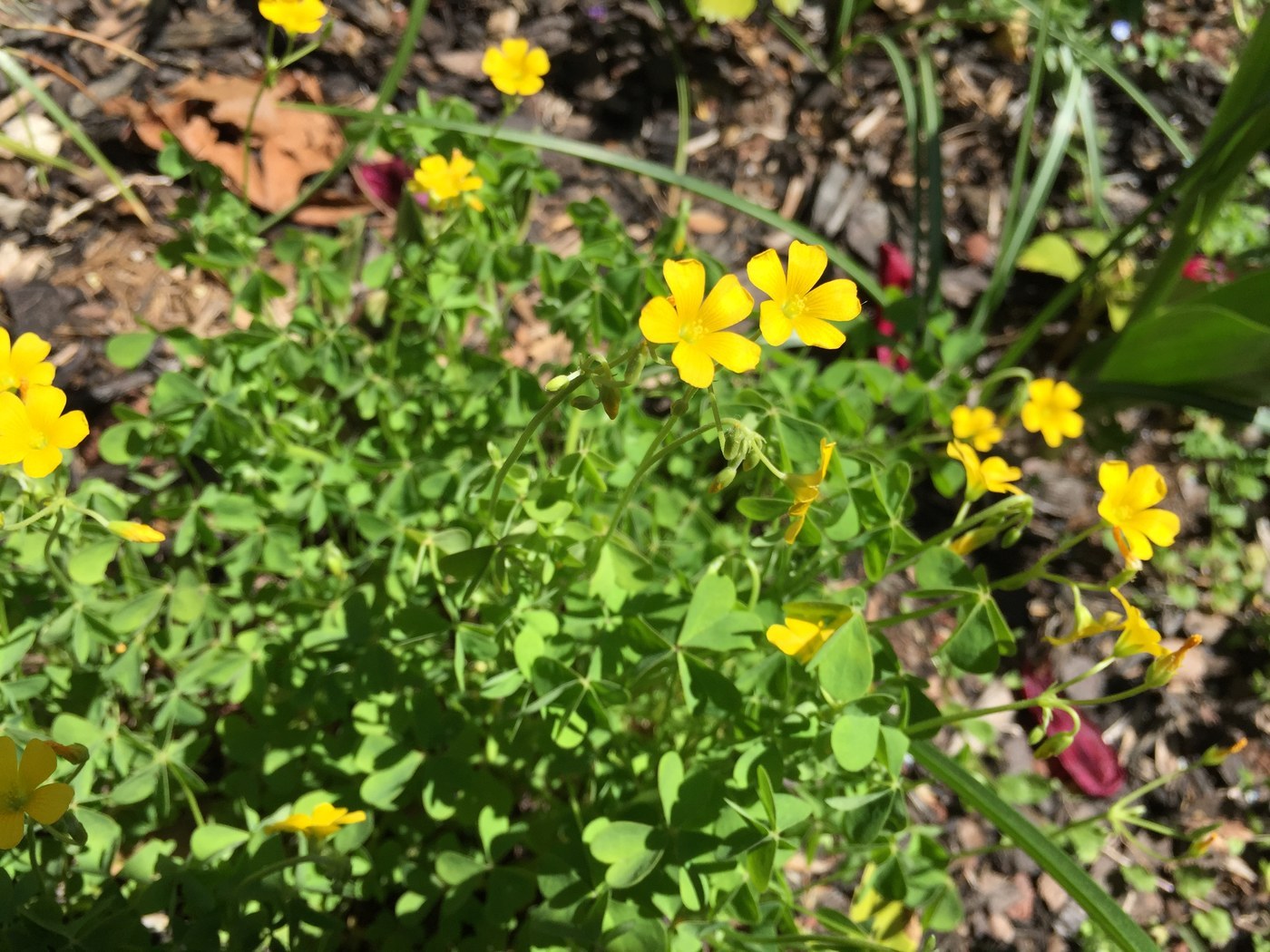
Identify wild mustard by its bright yellow four-petaled flowers and bristly lower leaves.
- Flowers: Bright yellow, four petals in a cross shape (typical of the mustard family), in elongating clusters
- Leaves: Lower leaves coarse, lobed, and bristly-hairy; upper leaves smaller and less divided
- Seed pods: Slender, beaked pods (siliques) that stand out from the stem
- Stems: Erect, branching, bristly, 1-3 feet tall
- Smell: Pungent mustard odor when crushed
Care & growing
Usually managed as a weed.
- Control: Hoe or pull young plants before flowering and seed set
- Timing: Essential to prevent seeding, as seeds persist in soil for decades
- Cultural: Crop rotation and dense planting suppress it in fields
- It thrives in disturbed, fertile, sunny ground and needs no care to spread
Habitat & origin
Native to Europe, North Africa, and Asia, wild mustard has naturalized across North America, Australia, and most temperate regions.
It favors disturbed, fertile, sunny ground: cultivated fields, roadsides, gardens, pastures, and waste places. It is especially common in grain and canola fields, where it competes with crops.
Frequently asked questions
How do I identify wild mustard?
Look for bright yellow four-petaled flowers in a cross shape, coarse bristly-hairy lower leaves, and slender beaked seed pods on erect branching stems 1-3 feet tall.
Why is wild mustard such a persistent weed?
It flowers and seeds prolifically, and its seeds can stay dormant but viable in the soil for decades, so it keeps reappearing.
How do I get rid of wild mustard?
Remove plants before they flower and set seed, use mulch or dense planting in gardens, and rely on crop rotation and timely cultivation in fields.
Wild Mustard guides
In-depth guides for identifying, growing, and caring for Wild Mustard.
How to Care for Wild Mustard
Grow Wild Mustard (Sinapis arvensis), a fast, sun-loving annual with bright yellow flower clusters, in a full-sun ornamental or wildflower setting.
Wild Mustard Identification Guide
Identify wild mustard (Sinapis arvensis) by its bright yellow four-petaled flowers, bristly lobed lower leaves, and beaked seed pods held away from the stem.